- Licensed CA Contractor·
- ADA Compliant Installs·
- Serving All of Southern California·
- Free Estimates·
- Licensed, Bonded & Insured
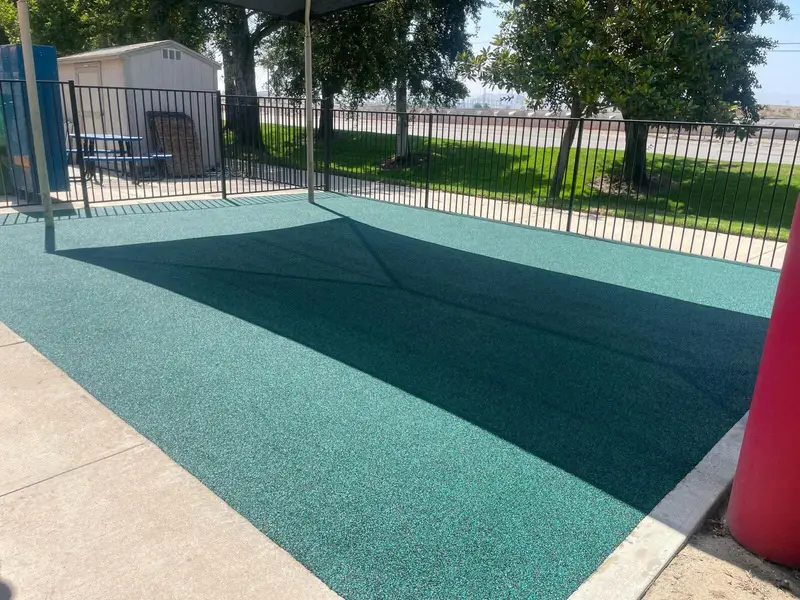
Poured-in-Place Rubber Applications
Find the page that matches your site, from playgrounds and schools to trails, healthcare campuses, rooftops and sports areas.
WE DESIGN. WE INSTALL. WE SERVICE.
FIND YOUR INDUSTRY.
Choose the category that fits your project — every link drops you straight into the right specs, photos, and case studies.
Ready to get started?
Quick answer
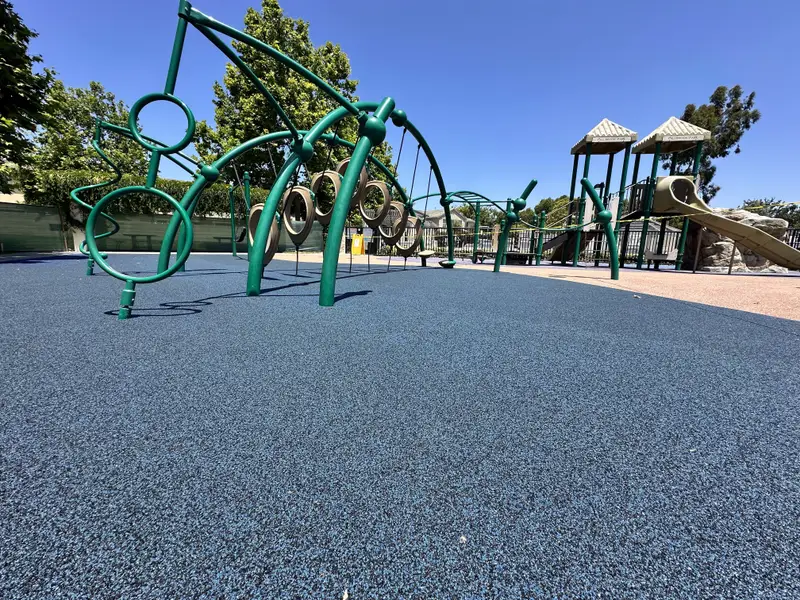
Poured-in-place rubber is a seamless, cushioned surface mixed on site and troweled over a prepared base. It is used for playgrounds, schools, parks, healthcare campuses, senior living, sports areas, trails and rooftops. Turbo Surfacing is licensed, bonded and insured, and this guide points you to the application page that fits your project.
Key takeaways
- Pick the page that matches your users.
- Base and drainage decide success.
- Thickness follows use, not guesswork.
- Local repairs avoid full resurfacing.
Poured-in-place rubber is used far beyond playgrounds. The same seamless, cushioned material softens falls under swings, gives grip to pool decks, protects tree roots along sidewalks and quiets rooftop terraces.
Each use has its own questions about thickness, drainage, cleaning and scheduling. This guide groups the applications by who uses the space, then points you to a page with the detail.
How poured-in-place rubber works
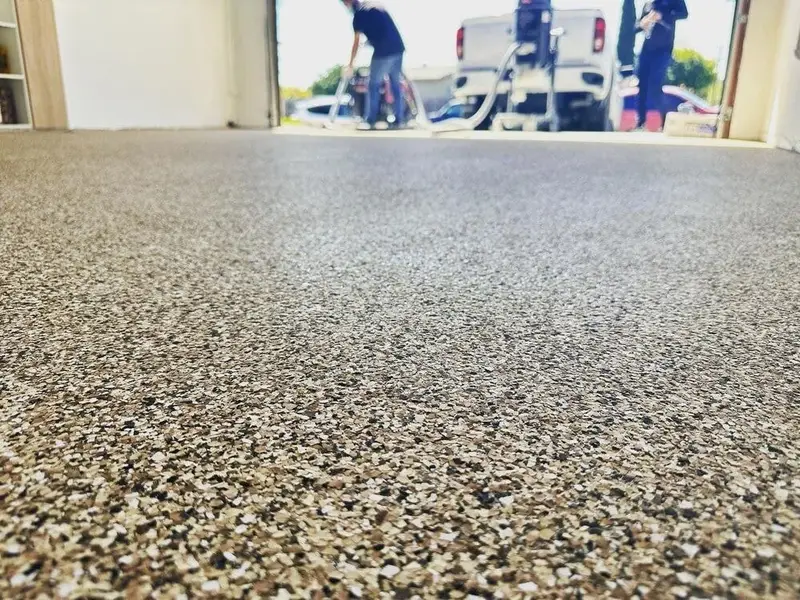
Crews prepare a stable base, then pour a mix of rubber granules and binder over it. The cushion layer is troweled smooth, and a wearing course goes on top for color and texture. The surface cures in place, so there are no seams, and edges are finished flush with curbs, lawns and slabs.
Our installation page explains each layer, and the process page shows what happens from first visit to final walkthrough.
Playgrounds, schools and child care
Play areas need cushioning sized to equipment fall height. See playground surfacing, school safety surfacing and schools and daycare.
Younger children and special settings have their own pages: early childhood yards, preschools, daycares and churches and church playgrounds.
Parks, cities and public property
Parks departments, cities and agencies care about durability, documentation and public review. Start with parks and recreation and cities, parks and public works.
Walkways have separate pages: sidewalks, trails and multi-use paths and tree wells.
Healthcare and senior living
Hospitals, clinics and senior communities need traction, easy cleaning and calm design. See healthcare facilities, healthcare and senior settings and senior centers and assisted living.
These pages cover memory care courtyards, rehab paths and working around patients and residents.
Sports, fitness and recreation
Ball courts, tracks and fields need surfaces that handle repetition. See sports and specialty surfaces, sports and recreation surfaces, running tracks and baseball and softball fields.
For specialized facilities, there is a page on shooting ranges.
Pools, splash pads and water parks
Wet areas need grip and drainage more than anything. See splash pads, pool decking and water parks.
Each page covers drainage, cleaning products and barefoot comfort.
Homes, HOAs and developments
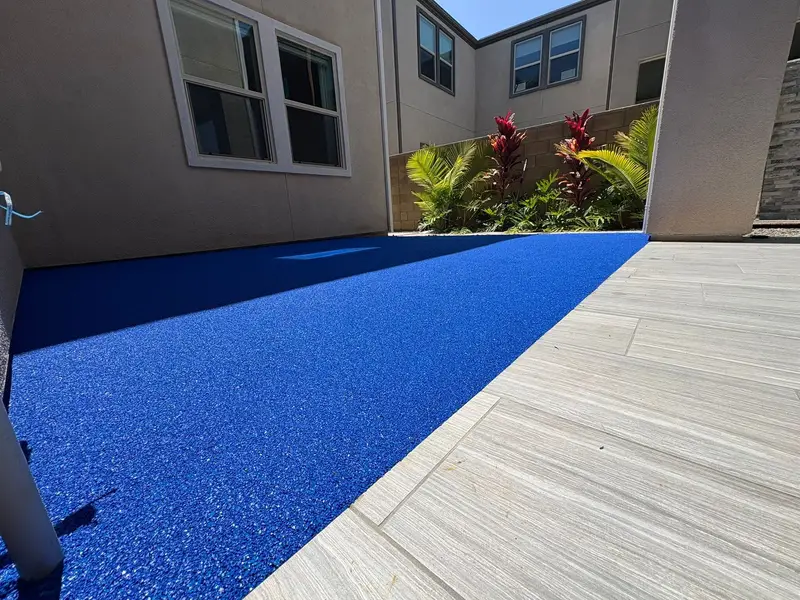
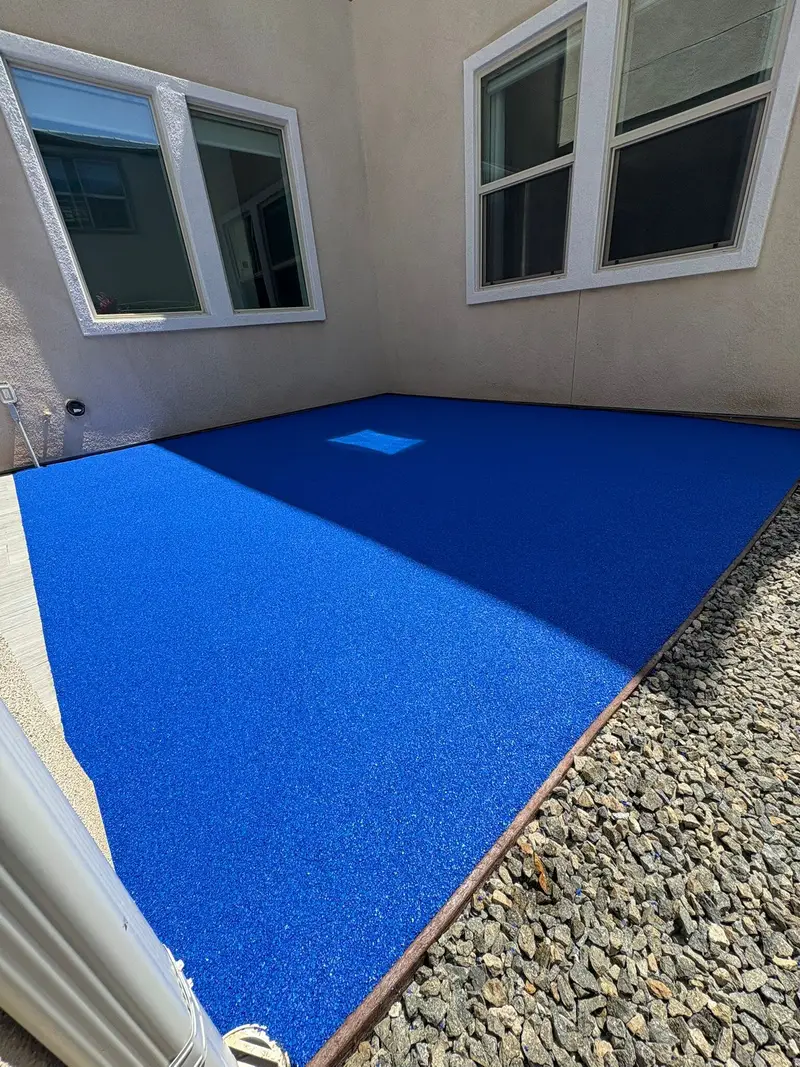
Residential and community properties use rubber for play areas, paths and amenity spaces. See homes and HOAs, housing developments and rooftops, decks and patios.
Builders and managers will find phasing and turnover guidance on these pages.
Campuses, attractions and special sites
Corporate campuses, theme parks, zoos, equestrian barns and military bases each have unusual constraints. See corporate campuses, theme parks and zoos, equestrian facilities and military installations.
Designers can read our page for landscape architects.
Porous and multipurpose uses
Where water should pass through the surface, porous rubber is an option. See porous rubber pavement. For areas that combine several uses, see multipurpose surfacing.
These pages explain base design, drainage and how porous systems differ from solid ones.
How to choose a thickness
Thickness depends on use. Play areas are sized to the tallest equipment's fall height, while walking paths and decks can be thinner. We confirm the number with equipment data and, for playgrounds, ask for impact test information on the proposed build-up.
Heavier traffic, such as carts and light vehicles, calls for a stronger base rather than only more rubber.
Why the base matters
Rubber is only as stable as what lies beneath it. Aggregate, asphalt and concrete bases each need the right preparation, slopes and drainage. A base that settles will crack the surface, so we probe soft areas, correct them and confirm flatness before the first pour.
Many failed rubber jobs trace back to a base that was rushed.
Color, patterns and branding
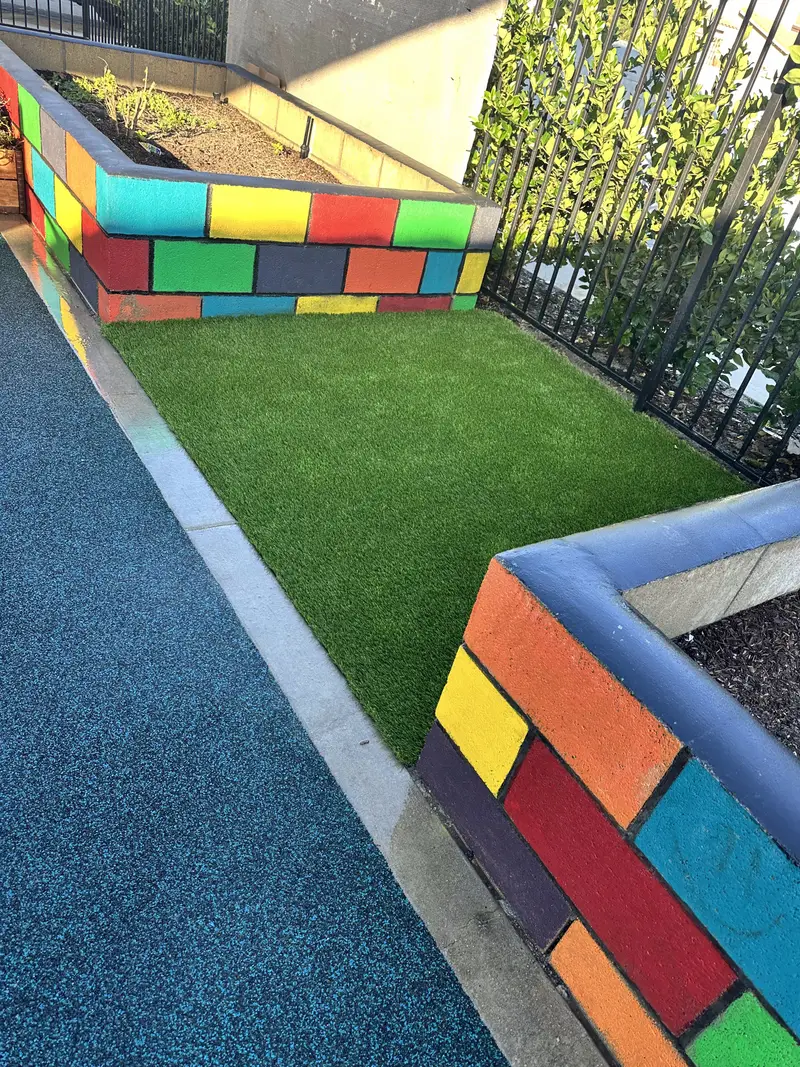
Rubber can be mixed in many colors and cut into shapes. Schools use mascots, parks use trail markers, hospitals prefer calm tones and attractions go bold. Inlays and lines last far longer than paint.
We bring samples to the site so committees can judge color in real light.
Cleaning and upkeep
Most surfaces need only sweeping, blowing and rinsing, plus mild soap for stains. Solvents and heavy petroleum products should be avoided. Our maintenance page gives a simple routine and tells you when to call for repairs.
Small damage is patched locally, so a worn corner does not mean resurfacing everything.
Documents agencies and owners ask for
Cities, school districts, insurers and boards usually want plans, product data, samples and proof of insurance. We prepare these and keep records of colors and thickness for future repairs.
Having documents ready early speeds approvals, avoids last-minute questions and keeps the project on schedule from the first site visit to the final walkthrough.
Phasing and scheduling
Most sites cannot close entirely. We build in sections, around school terms, services, events and patient flow, and we cure each area before it reopens. A written schedule shows what happens each day.
Large campuses often start with the busiest or most worn area and add more later.
Not sure which page fits?
Send photos, a rough size and a few lines about who uses the space. We will point you to the right application, suggest a build-up and arrange a visit. For budget planning, read our rubber cost guide first.
Getting an estimate
Our poured-in-place rubber cost guide explains what moves the price. Send photos and rough dimensions through the free estimate form and we respond within 24 hours. Site walks are available the next day or later, depending on availability, and you receive a written scope after the visit.
What to know before you start
For a mixed-use property, annotate the plan with the intended function of each rubber zone. A shaded gathering space and a climbing-equipment landing area need separate scope decisions even when their color scheme matches.
Frequently Asked Questions
Sources
Last reviewed:
By Turbo Surfacing Solutions team · Planning updated:
Explore More Poured-In-Place Rubber
Top applications, cities we install in, pricing, and the latest poured-in-place rubber insights — all curated from this hub.
Most-Requested Installs
- PIP Rubber InstallationProfessional Installation
- PIP Installation ProcessOur Process
- PIP Rubber MaintenanceMaintenance Guide
- Surfacing ApplicationsApplications
Ready to Get Started with Surfacing Applications?
Get a free, no-obligation estimate for your project. Our team responds within 24 hours.
Match My Use Case