- Licensed CA Contractor·
- ADA Compliant Installs·
- Serving All of Southern California·
- Free Estimates·
- Licensed, Bonded & Insured
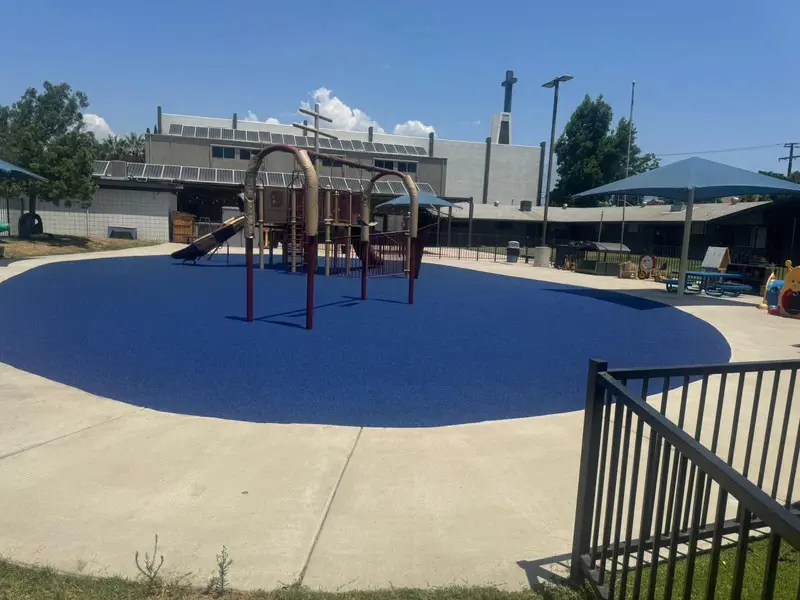
Poured in Place Rubber for Playgrounds, Splash Pads, Paths and Rooftops
Seamless rubber surfacing from a licensed, bonded and insured contractor, with thickness set by the fall height of your equipment.
WE DESIGN. WE INSTALL. WE SERVICE.
INSTALLATION SERVICES PROVIDED.
From playgrounds to parking structures — find the right solution for your project.
Ready to get started?
RECENT INSTALLS.
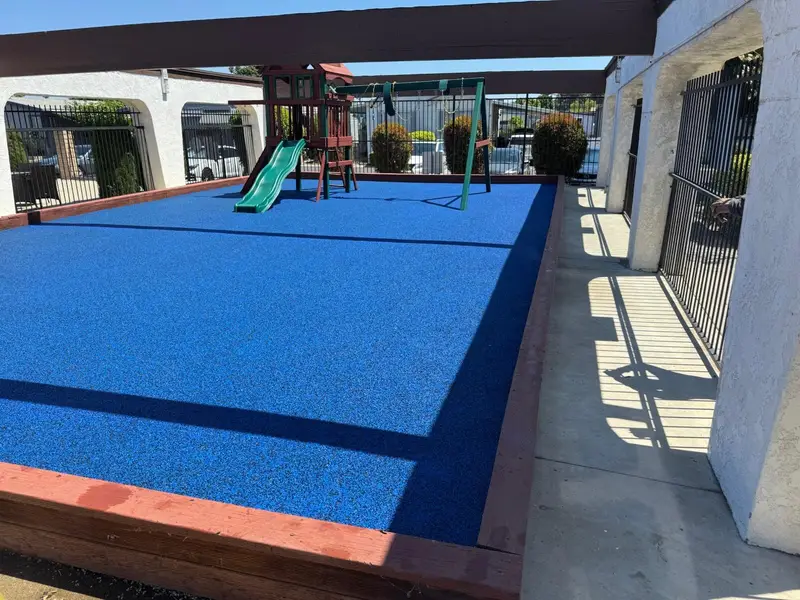
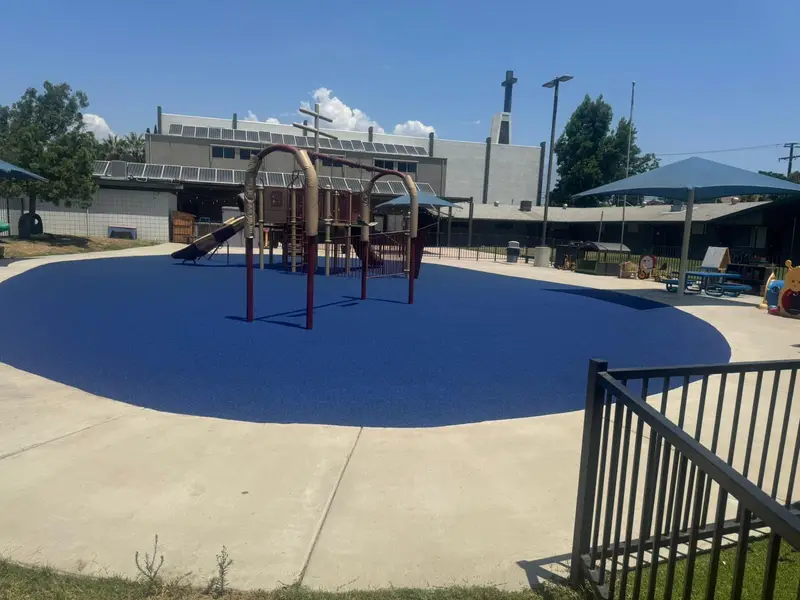
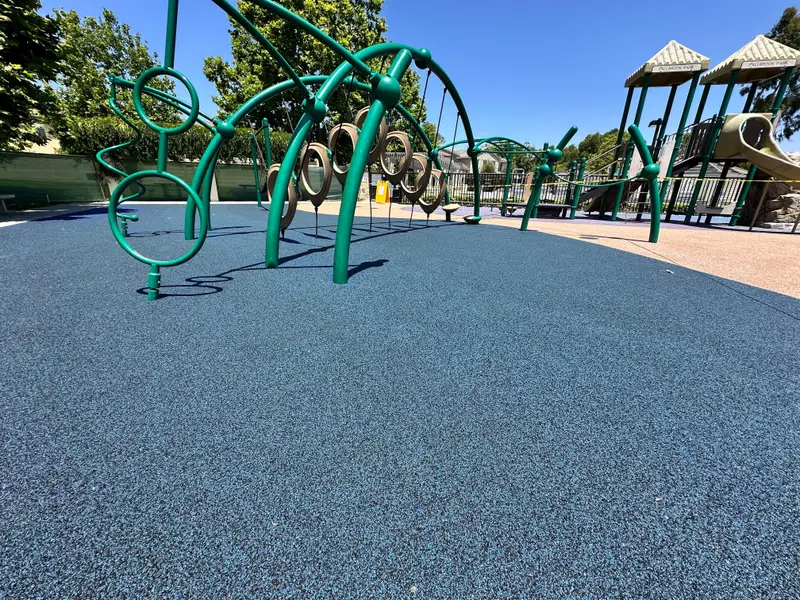
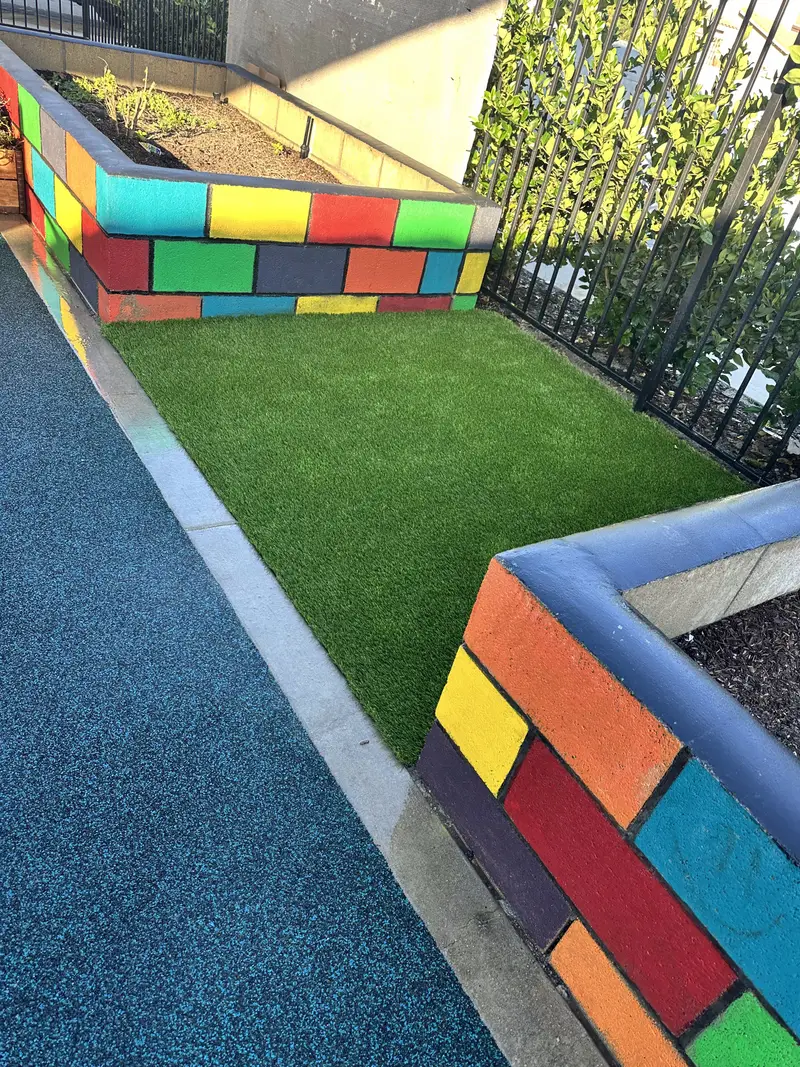
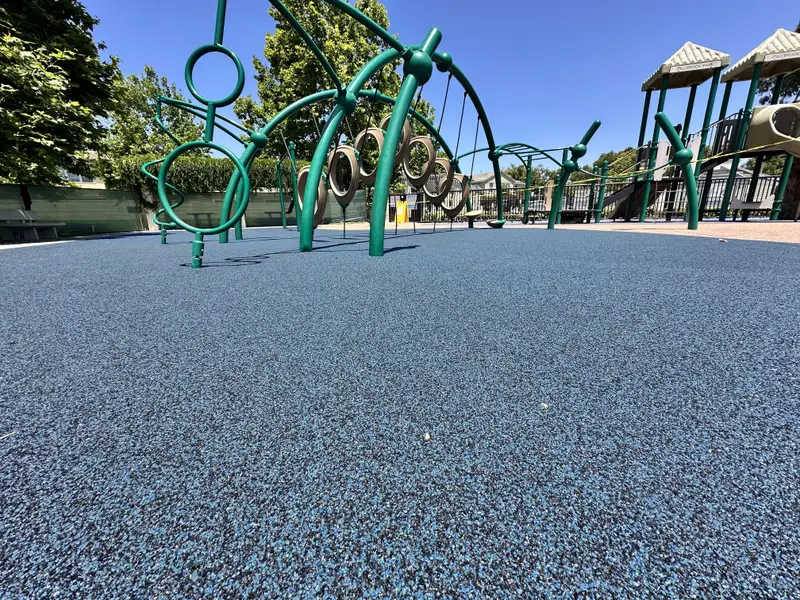
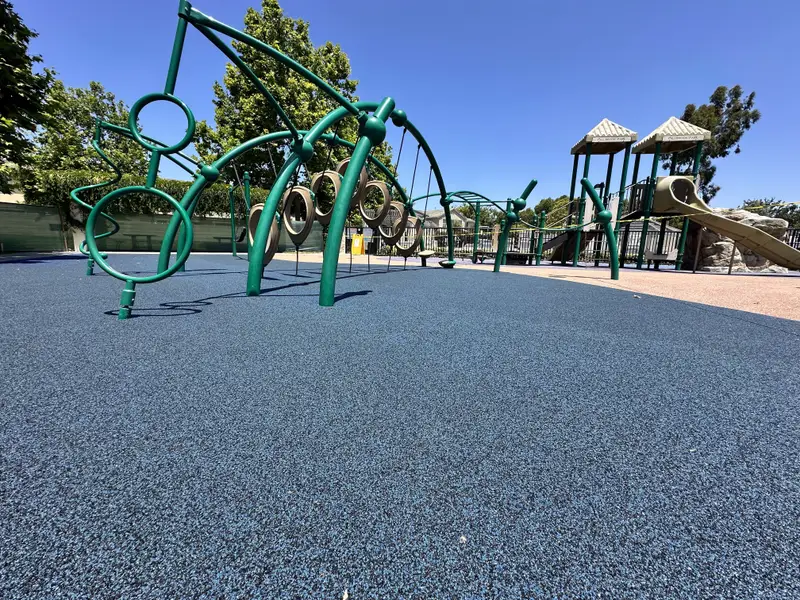
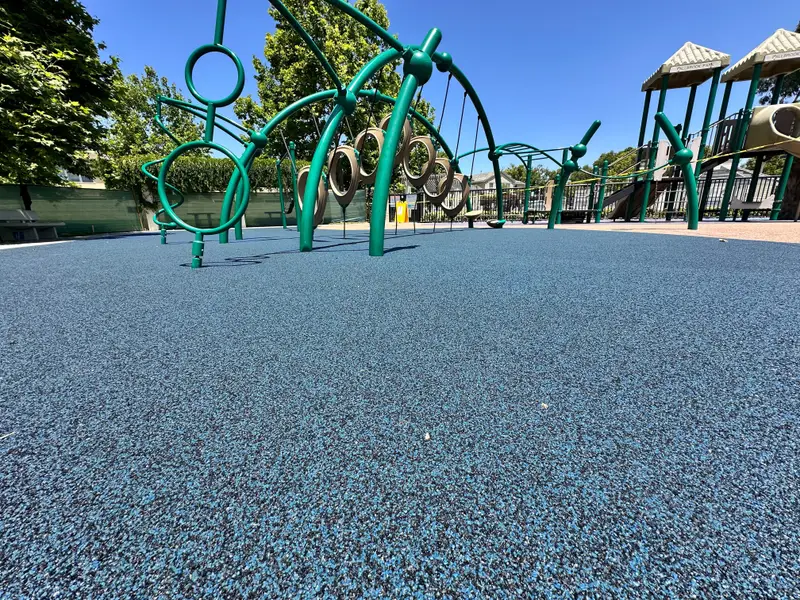
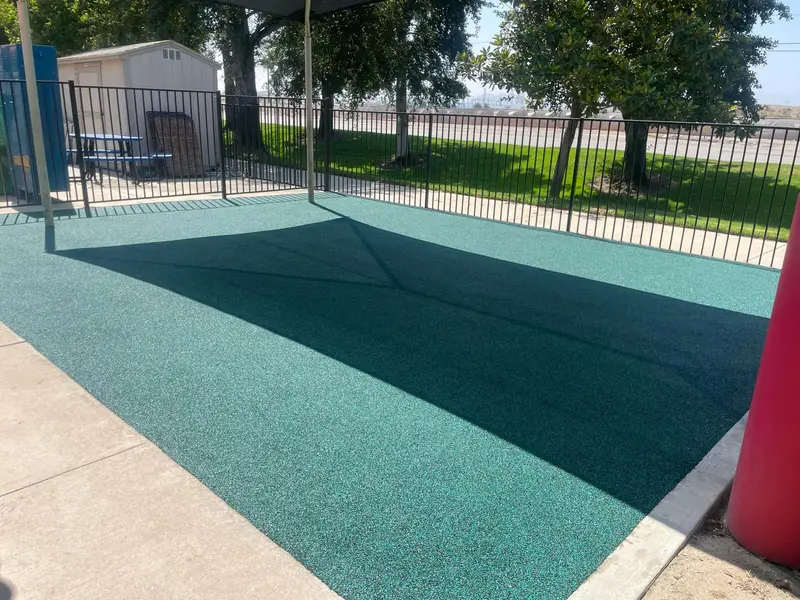
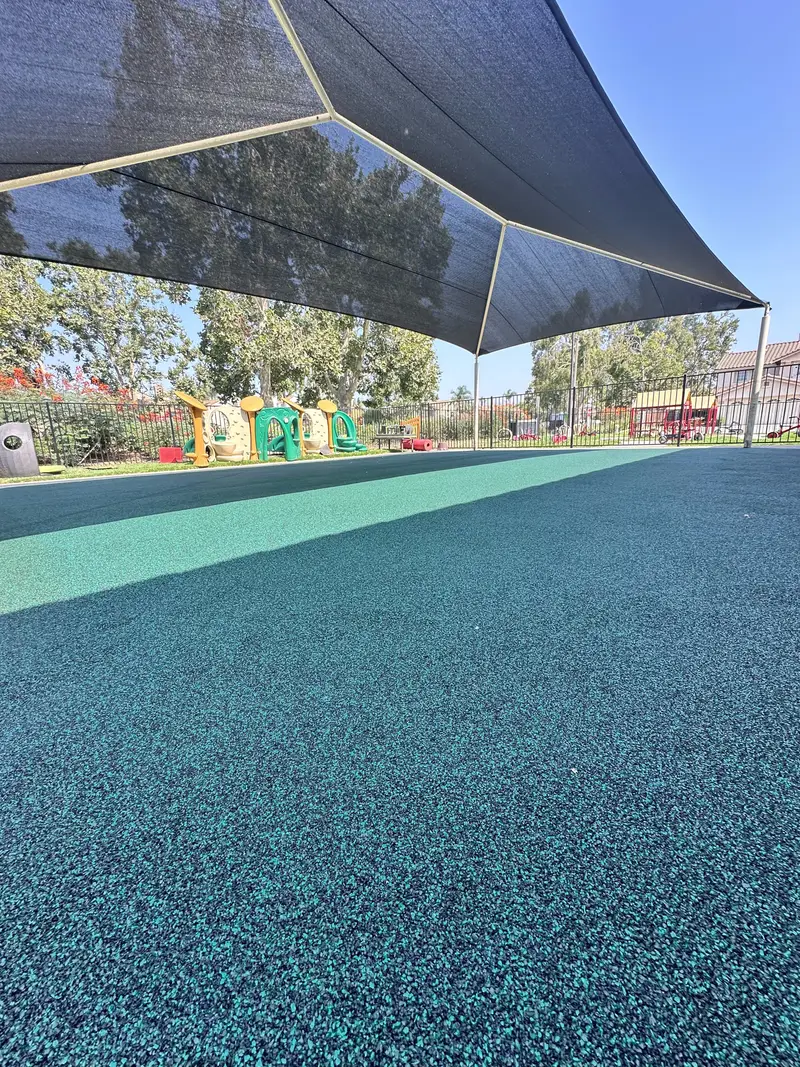
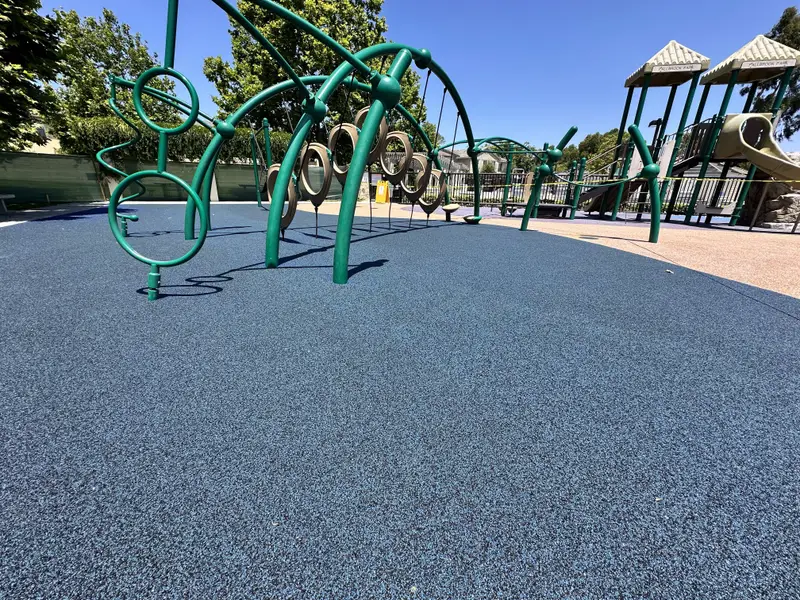
Turbo Surfacing project photos.
Design Your Playground Surface
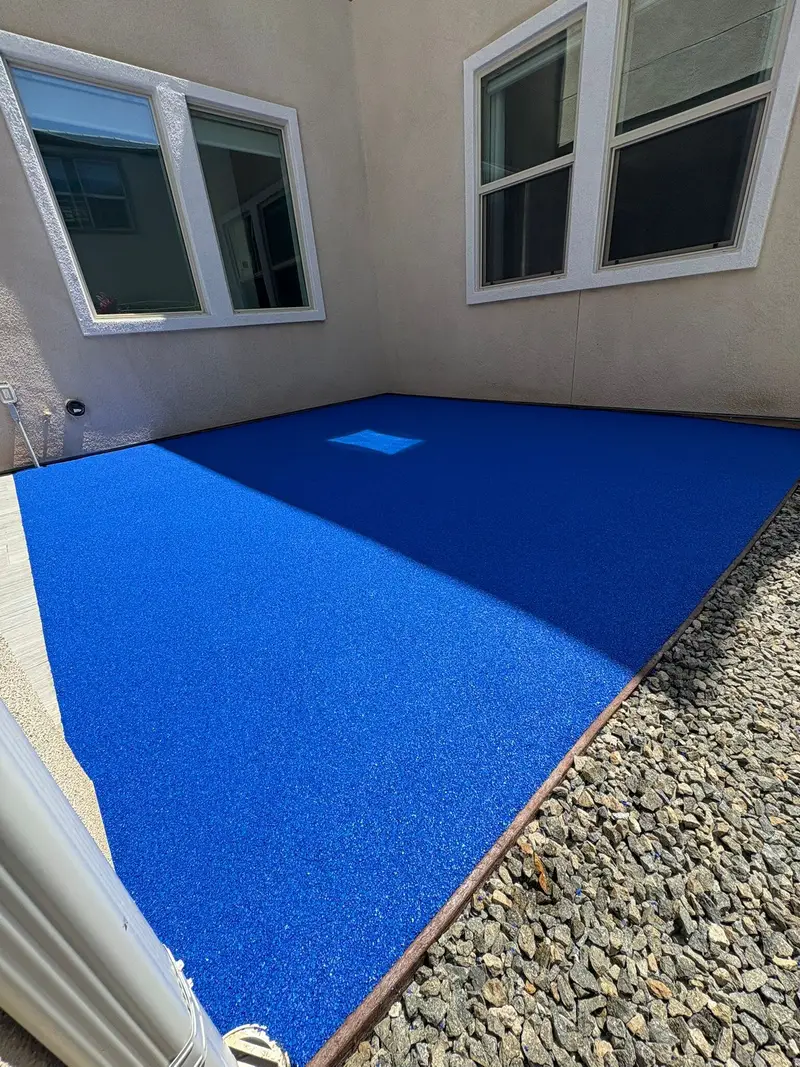
Pick 1 to 3 EPDM rubber colors and a pattern. Your preview updates instantly.
PIP EPDM colors: Sky Blue, Lime Green · Pattern: Speckle Blend
Colors (2/3)
Pattern
Quick answer
Turbo Surfacing installs poured in place rubber for playgrounds, splash pads, paths and rooftops across Southern California. A typical planning range is $15 to $25 per square foot, and thickness is set by equipment fall height, following ASTM F1292. We are licensed, bonded and insured and respond within 24 hours.
Key takeaways
- A typical planning range is $15 to $25 per square foot installed.
- Thickness is specified from equipment fall height, following ASTM F1292.
- Title 22, section 101238.2 requires cushioning under climbing equipment at licensed child care centers.
- The surface is seamless and needs sweeping and periodic inspection rather than topping up.
- We respond within 24 hours, and site walks are available the next day or later.
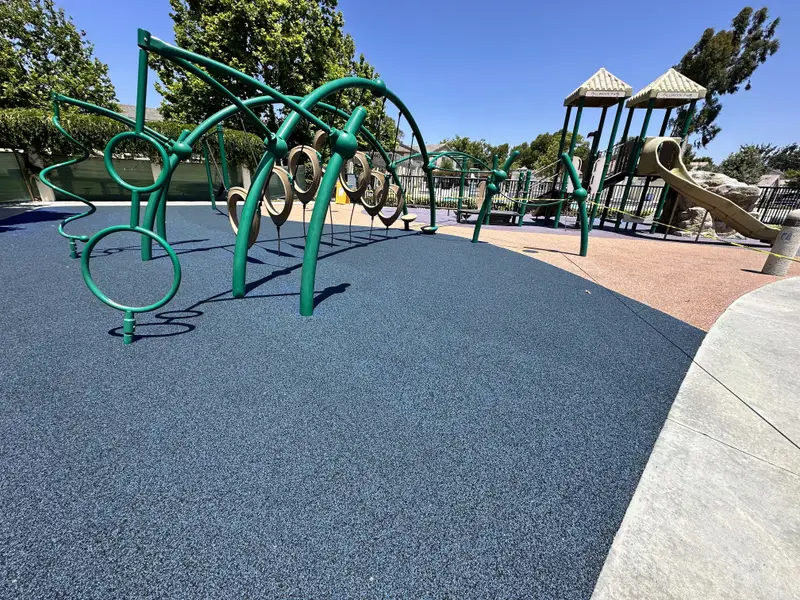
Poured in place (PIP) rubber is mixed on site and troweled into a seamless surface. It has two layers: a shock absorbing cushion made from recycled rubber granules, and a colored wear layer on top. Because it is poured rather than laid in sections, it has no seams to catch sand, water or toes, and it can carry colors, patterns and logos.
This page explains how the system works, how thickness is chosen, what to expect during installation, what it costs and which rules apply to schools, child care centers and HOAs.
How poured in place rubber works
A PIP system starts with a prepared base. On top of it goes a cushion layer of rubber granules bound with polyurethane, troweled to a specified thickness. A colored wear layer of EPDM or TPV granules is then troweled over the cushion, giving the surface its color, texture and UV resistance.
The cushion is what protects a child who falls. The wear layer is what you see, and it is where color, patterns and graphics are added.
Colors, patterns and designs
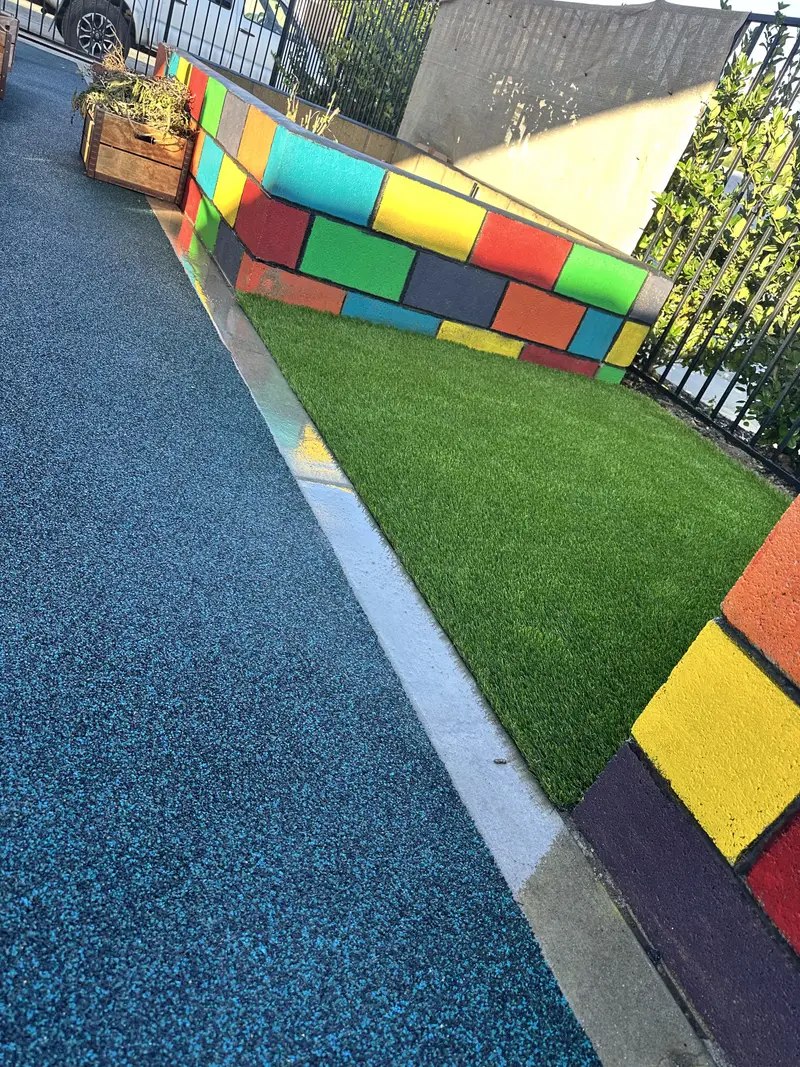
The wear layer is where a playground gets its personality. Poured in place rubber can combine several colors in blends, borders, shapes and graphics such as hopscotch, mazes, letters and logos. Designs are usually cut and troweled by hand, which allows curves and detail that tiles cannot match. Color choices affect more than looks. Darker colors absorb more heat in direct sun, and lighter colors can show dirt, so we talk through the tradeoffs for your site.
Bring ideas, school colors or sample photos, and we will tell you how they translate into a layout. Keep designs simple near play equipment exits, where wear is heaviest, and use larger fields of color around them. A written scope lists colors, patterns and any custom graphics so there are no surprises on the day of the pour.
Thickness is set by fall height, not by guesswork
The higher a child can fall from, the more cushion the surface needs. Every piece of play equipment has a critical fall height, which is the height at which the surface still limits the forces on a falling child to accepted limits. ASTM F1292 is the standard test method for impact attenuation of playground surfacing.
We start by confirming the tallest platform or deck height of each structure and the use zone around it. Thickness is then specified to match. If equipment is replaced later with taller structures, the surface may need to be rebid, so tell us your plans for expansion. If your district or risk manager requires fall height testing, raise it at the estimate stage so it can be planned and priced.
Use zones and layout
Every structure has a use zone, the area around it where a child may land or move. The surface has to cover the use zone, not just the footprint of the equipment. We measure each zone, check how zones overlap between structures and mark where swings, slides and climbing equipment need the most cushion. Layout also considers entrances, accessible routes, benches, drains and trees.
If your playground is going to be redesigned or expanded, bring the plan. A surface installed to match current equipment may need to be rebid for taller structures, so thinking ahead can save a second project. We will help you phase the work if budget requires it, and we will say plainly what phasing means for thickness, seams and cost.
Rules that apply to schools, child care and HOAs
Child care centers. Title 22, section 101238.2 requires licensed centers to cushion the area under and around climbing equipment, swings and slides.
Public agencies and schools. Work paid for with public funds generally follows California prevailing wage rules, with contractor registration and payroll reporting. Send your bid documents early and we will tell you what documentation we can provide.
HOAs. Boards should keep play area surfaces on the reserve schedule. Civil Code section 5550 requires a reserve study at least every three years. We provide a written scope and photos for the board packet.
Accessibility. A firm, stable surface helps wheelchair users reach play areas. Tell us about accessible routes and entry points so they are part of the design.
Accessible routes and entries
A play area that cannot be reached is not much use. Wheelchair users and caregivers with strollers need a firm, stable path from the parking area or sidewalk to the play surface, and a surface that is firm enough to cross once they arrive. Poured rubber is generally a good fit because it is seamless and level, but entries, ramps, thresholds and the transition from concrete matter just as much.
Tell us where the accessible routes are, or where they should be. We will look at slopes, transitions and the height of any edges, and we will note what we recommend in the written scope. Public agencies and districts often have accessibility requirements in their bid documents, and we are glad to review them with you early.
How we install it
- Site walk and measurement. Site walks are available the next day or later, depending on availability. We measure use zones, confirm equipment heights and check drainage.
- Base preparation. Old surfacing such as wood fiber, sand or worn rubber is removed. The base is graded and compacted with drainage built in.
- Edging. Concrete, plastic or existing curbs give the surface a clean, durable edge.
- Cushion layer. The rubber cushion is mixed on site and troweled to the specified thickness.
- Wear layer. Colored EPDM or TPV is troweled over the cushion, with patterns, logos and inlays placed at this stage.
- Cure and walkthrough. The surface cures before use. Cure time depends on temperature and humidity. We finish with a walkthrough, care instructions and documentation.
The installation and process pages go into more detail.
Base, drainage and edges
A rubber surface is only as good as the base under it. The base is graded and compacted with drainage built in, so water does not sit under the cushion layer. Old surfacing such as wood fiber, sand or worn rubber is removed, and soft or wet spots are corrected before anything is poured. Where a playground sits on existing concrete or asphalt, we inspect it for cracks and drainage and decide whether it is a sound base.
Edges contain the surface and keep it from lifting. Concrete curbs, plastic edging or existing borders all work, and each has implications for drainage and transitions. Tell us if your site has slopes, tree roots or a history of flooding. These conditions change the base design and often explain differences between bids.
Scheduling around schools, child care and events
Playgrounds are in use when the weather is good, which is also when installers want to work. We plan around school days, breaks, child care hours and events, and we agree on a schedule in writing so staff know when the area will be closed. Fencing or barricades keep children out of the work area, and we tell you when the surface will be ready for use.
Cure time depends on temperature and humidity, so a project scheduled for a cool, damp week takes longer than one in dry heat. We build that into the schedule and talk with you about contingencies. For child care centers, ask your licensing analyst whether temporary relocation of play is needed during installation, and let us know what they say.
What poured in place rubber costs
A typical planning range is $15 to $25 per square foot installed. Price moves with the required thickness, the area, the number of colors and patterns, base preparation, removal of the old surface and site access. Small areas cost more per square foot than large ones. The poured in place rubber cost guide explains each factor, and a site walk turns the range into a written number.
How it compares with wood fiber and rubber tiles
Engineered wood fiber is the lowest cost option up front, but it compacts, scatters and needs regular topping up and raking. It is also hard for wheelchairs to cross.
Rubber tiles install quickly and can be replaced in sections, but joints can shift and collect debris, and the surface depends on the base underneath.
Poured in place rubber costs more up front than either, but it is seamless, needs sweeping and periodic inspection rather than topping up, and can be designed to the equipment's fall height. The right choice depends on budget, traffic and the rules that apply to your site.
Care and what to watch for
Sweep or blow off debris, rinse the surface with clean water and avoid solvents and oil based cleaners. Inspect edges, transitions and high wear areas such as swing and slide exits for lifting, granule loss or hardening. Catching problems early often means a repair instead of a replacement.
Warranty terms vary by product and system and are provided in writing with each estimate, and we explain what care keeps coverage in place. See the maintenance guide for a checklist.
Repair or replace?
Not every worn rubber surface needs replacing. Small areas of lifted edge, granule loss or cracking can often be repaired, especially if the cushion layer underneath is sound. Repairs make sense when damage is local, when the surface is otherwise resilient and when the thickness still matches the equipment. Replacement makes sense when damage is widespread, when the surface has hardened or lost cushioning, or when new equipment requires a thicker surface.
We inspect the surface, walk the edges and high wear areas and tell you which path makes sense. If a repair is the better value, we say so. If you are not sure, send photos of the worst areas and of the whole surface, and tell us how old it is and what equipment sits on it.
Where poured in place rubber is used
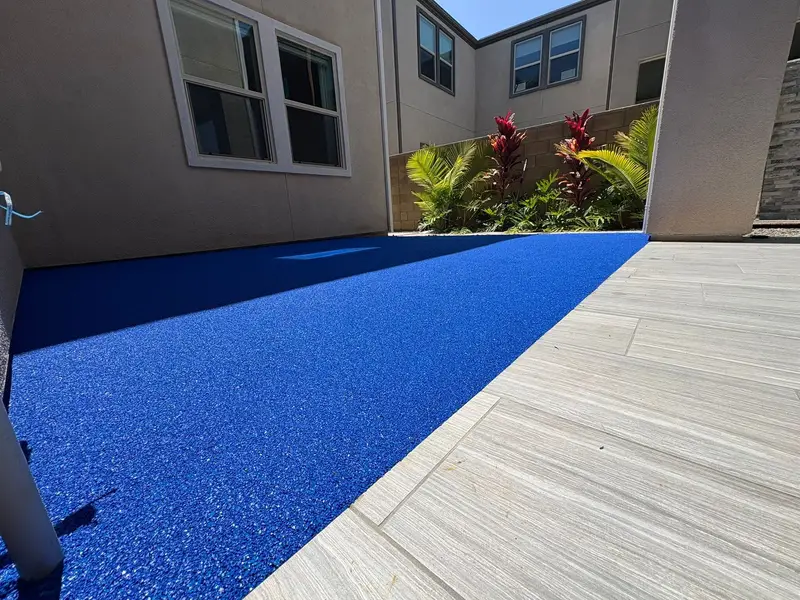
Playgrounds and school play areas, early childhood spaces, homes and HOAs, splash pads, running tracks, rooftops and patios and walking paths. Browse every option on the applications page.
Next steps
Send photos, the equipment list and the tallest platform height through the free estimate form. We respond within 24 hours. Climate, water programs and approvals differ by county, so see our pages for San Diego, Orange, Los Angeles, Riverside, San Bernardino, Ventura and Imperial counties.
What to know before you start
Keep a labeled sample of the chosen granules and binder with the signed scope, rather than relying on a photograph of the color blend. That gives a future repair contractor a material reference when only one worn patch needs attention.
Frequently Asked Questions
Sources
- 22 CCR section 101238.2, Outdoor Activity Space
- California Civil Code section 5550, reserve studies
- California Department of Industrial Relations, public works enforcement
Last reviewed:
By Turbo Surfacing Solutions team · Planning updated:
Explore More Poured-In-Place Rubber
Top applications, cities we install in, pricing, and the latest poured-in-place rubber insights — all curated from this hub.
Most-Requested Installs
- PIP Rubber InstallationProfessional Installation
- PIP Installation ProcessOur Process
- PIP Rubber MaintenanceMaintenance Guide
- Surfacing ApplicationsApplications
EVERYTHING POURED-IN-PLACE RUBBER — IN ONE MAP.
Every page we've built around poured-in-place rubber — applications, cities we serve, pricing, related services, and resources. One topic, fully mapped.
Applications
Surface types & install scenarios
- PIP Rubber Installation
- PIP Installation Process
- PIP Rubber Maintenance
- Surfacing Applications
- Playground Surfacing Contractor
- PIP for Cities, Parks & Public Works
- PIP for Corporate Campuses
- PIP Rubber for Homes & HOAs
- Porous Rubber Pavement
- PIP for Preschools, Daycares & Churches
Cities We Serve
Local landing pages
- Poured-In-Place Rubber in Chula Vista
- Poured-In-Place Rubber in San Diego
- Poured-In-Place Rubber in Oceanside
- Poured-In-Place Rubber in Escondido
Pricing & Tools
Real numbers, instant estimates
Related & Resources
Nearby services & company info
Ready to Get Started with Poured-In-Place Rubber San Diego?
Get a free, no-obligation estimate for your project. Our team responds within 24 hours.
Get PIP Rubber Quote