- Licensed CA Contractor·
- ADA Compliant Installs·
- Serving All of Southern California·
- Free Estimates·
- Licensed, Bonded & Insured
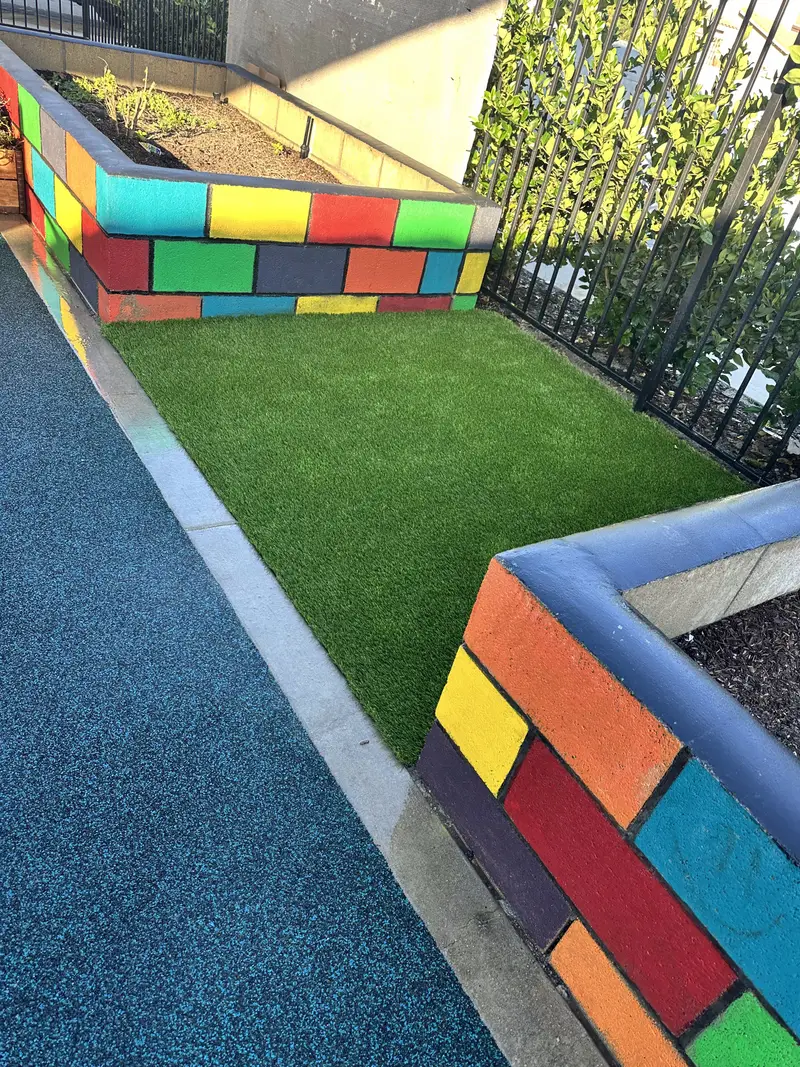
Rubber Surfacing for Rooftops, Decks and Patios
A lightweight, quiet surface for rooftop terraces, podium courtyards, balconies and patios, planned around the waterproofing below.
Quick answer
Poured-in-place rubber is a lightweight, seamless surface for rooftop terraces, podium decks, balconies and patios. It softens footsteps, drains to existing drains and avoids heavy pavers. Turbo Surfacing is licensed, bonded and insured, and coordinates with waterproofing contractors, roofers and engineers so the membrane stays protected.
Key takeaways
- Weight and waterproofing are reviewed first.
- Drainage follows existing slopes.
- Zoned layouts suit mixed terraces.
- Sections can be replaced after roof work.
Elevated outdoor spaces are tricky. Weight limits, waterproofing and drains control what can go on top, and a bad surface can trap water or damage the membrane below. Rubber is attractive here because it is light, flexible and quiet.
This page covers rooftops, podium decks, balconies and patios, including mixed-use rooftop terraces that combine play, lounge and walking areas.
Weight and structure
Rooftops have load limits. Pavers and concrete toppings can be heavy, while a thin rubber system adds modest weight. A structural engineer should confirm what the deck can carry, including furniture, planters and crowds.
We provide system weights for engineers to review.
Protecting the waterproofing
The membrane is the most valuable layer on a roof. We never puncture it, and we coordinate with the waterproofing contractor on protection boards, adhesion and installation requirements of the roofing manufacturer. Penetrations for posts or sleeves are set by the roofer.
Early coordination prevents leaks and finger pointing.
Drainage on roofs and decks
Water must reach roof drains, scuppers or planters. We follow existing slopes and note ponding areas before work. Rubber can bridge small low spots, but major ponding should be corrected first.
A water test before surfacing shows how the deck behaves.
Base layers over decks
Depending on the structure, rubber may be poured over concrete, over a protection layer or over a manufactured base. Each option needs different primers and cure times. Wood decks need special attention to movement and moisture.
We confirm the base and the primer in writing.
Rooftop play areas
Schools and apartment buildings sometimes put play equipment on roofs. Rubber under it provides cushioning at a weight the deck can bear. Fall heights drive thickness, and fencing keeps children safe from edges.
Equipment anchors must be coordinated with the roofer and engineer.
Lounges, terraces and amenity decks
Residents and guests want quiet, comfortable places to sit. Rubber absorbs footsteps and furniture noise, and it can be mixed in colors that match branding. Planters and fire features need pads and clearances.
We coordinate furniture layouts and fixtures with designers.
Multipurpose rooftop layouts
Many roofs combine walking paths, play corners, fitness areas and seating. Zoned rubber with different thicknesses and colors makes the roof feel planned. Thickness stays modest in non-play areas to save weight.
See multipurpose surfacing for zoning ideas.
Patios and ground-level decks
At ground level, rubber patios replace cracked concrete or shifting pavers. They are quiet and comfortable, easy to clean and slip resistant. Edges meet planting beds, walls and doors flush.
Many homeowners combine rubber patios with turf lawns.
Balconies and walkways
Balconies are tight, with drains and railings close by. Rubber can be applied in thin layers with careful edge details. Weight, waterproofing and railing posts need review by the building's engineer.
Not every balcony suits rubber, and we say so after inspecting.
Heat on rooftops
Rooftops get strong sun and reflected heat. Lighter colors, shade structures and planters help keep surfaces comfortable. We bring samples so owners can test them in afternoon sun.
Misters and canopies make roof terraces more usable in summer.
Wind and exposure
Wind can lift loose items and push rain sideways. Rubber is poured in place and bonds to the base, so it does not blow around like loose tiles. Furniture should be heavy or anchored.
We review exposure and parapet heights during the site visit.
Access, hoisting and logistics
Getting material onto a roof takes planning. We coordinate crane or hoist schedules, stair access, elevators and staging areas with building management. Rubber arrives in buckets and bags, which are easier to move than pavers.
A logistics plan keeps tenants informed.
Noise and tenants
Construction on a roof can be heard below. We schedule loud work during agreed hours and keep crews courteous. Rubber itself reduces footstep noise from the finished deck, which tenants downstairs appreciate.
Notices to residents explain dates and contacts.
Cleaning and care
Sweep, blow debris from drains and rinse the surface. Keep planter soil from washing onto the rubber. Inspect annually for edge lift and drainage trouble, and repair small damage early.
Records of colors and thickness help patches match.
Repairs and roof access
Roofers sometimes need to open the membrane for repairs. Rubber can be cut out and replaced afterward, and a map of the build-up helps crews restore it. Keep contact information for the installer in the building file.
Planning for future access saves time and money.
Starting a rooftop or patio project
Send photos, a plan of the roof or patio and any structural or roofing documents you have. We will visit with your roofer or engineer if needed and return a scope with options.
Fire safety, railings and egress
Rooftops are subject to fire and life-safety review. Rubber surfaces, planters and furniture should be reviewed by the building owner's safety consultant. Egress paths must remain clear and visible, and railings must be anchored without damaging the membrane.
We provide product information that consultants and inspectors may request.
Rubber compared with pavers and wood
Pavers add weight and shift, wood needs refinishing and can trap water, and tile can be slick. Rubber is lighter, quieter and low maintenance, though it costs more than some options. We lay out the tradeoffs honestly so owners can choose.
Many roofs mix rubber with planters, turf and pavers in small accent areas.
Getting an estimate
Our poured-in-place rubber cost guide explains what moves the price. Send photos and rough dimensions through the free estimate form and we respond within 24 hours. Site walks are available the next day or later, depending on availability, and you receive a written scope after the visit.
What to know before you start
Agree on how roof-drain strainers will be reached after furniture returns. Photograph the drain access with the proposed rubber boundary marked before the finish hides surrounding details.
Frequently Asked Questions
Sources
Last reviewed:
By Turbo Surfacing Solutions team · Planning updated:
KEEP EXPLORING.
Other Southern California surfacing projects we specialize in — handpicked because they share the same materials, standards, or installation crew as this page.
Related Poured-In-Place Rubber & Resources
Sibling services, cities where we install this, and blog posts that go deeper.
More Poured-In-Place Rubber
- PIP Rubber InstallationProfessional Installation
- PIP Installation ProcessOur Process
- PIP Rubber MaintenanceMaintenance Guide
Cities We Serve
- Poured-In-Place Rubber in Chula Vista
- Poured-In-Place Rubber in San Diego
- Poured-In-Place Rubber in Oceanside
Get a Quote for PIP Rubber for Rooftops, Decks & Patios San Diego
Get a free, no-obligation estimate for your project. Our team responds within 24 hours.
Request Deck/Patio Quote