- Licensed CA Contractor·
- ADA Compliant Installs·
- Serving All of Southern California·
- Free Estimates·
- Licensed, Bonded & Insured
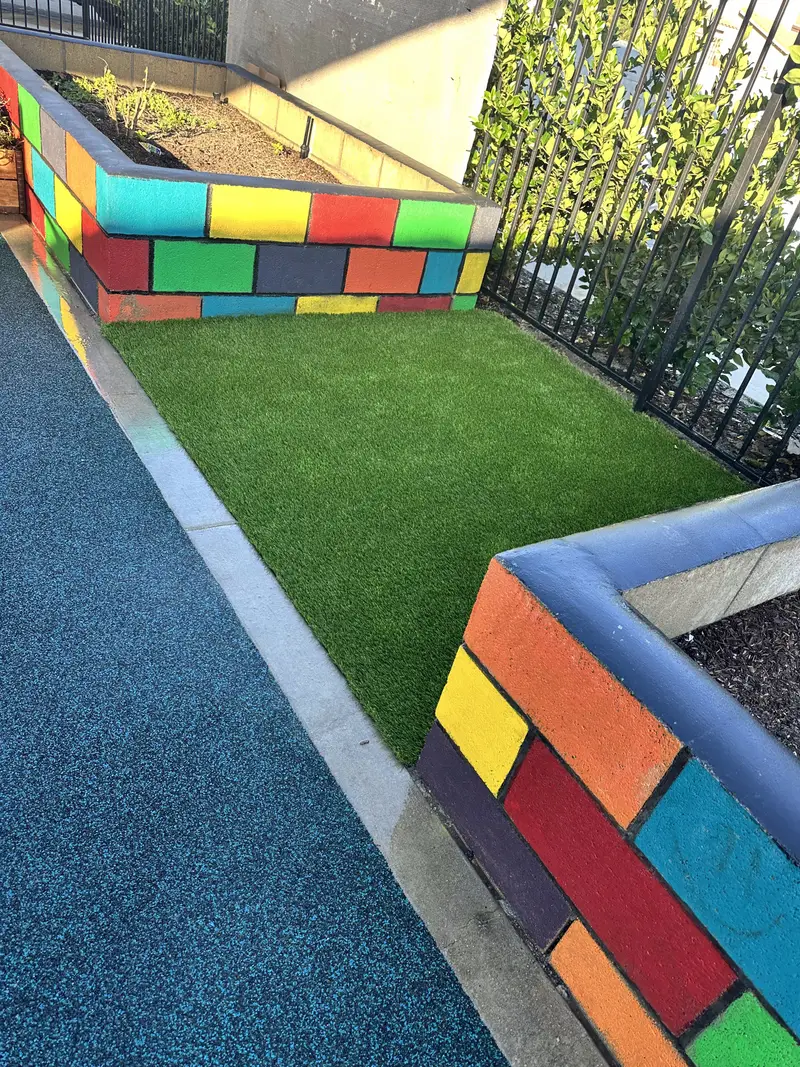
Poured-in-Place Rubber for Homes, Backyards and HOA Communities
Soft, durable, low-maintenance surfaces for backyard play areas, pool decks and community playgrounds.
Quick answer
Poured-in-place rubber gives homeowners and HOA boards a soft, seamless surface for backyard play areas, pool decks, community playgrounds and walkways. It resists weeds, needs little upkeep and can be matched to fall height. Turbo Surfacing is licensed, bonded and insured, and helps boards prepare approvals, budgets and schedules.
Key takeaways
- Rubber replaces mulch and sand.
- HOA approvals are supported with samples.
- Pool decks drain and stay comfortable.
- Upkeep is a broom and a hose.
Families want a safe place for children to play, and communities want amenities that stay tidy without constant spending. Rubber meets both needs better than mulch, sand or bare dirt.
This page explains where rubber fits at homes and HOA communities, how approvals work and what upkeep to expect.
Backyard play areas
Swing sets, climbing frames and playhouses sit on soft, clean surfaces when rubber replaces wood chips. There is no digging, raking or topping up, and weeds do not push through. Children can run barefoot, and parents do not track mulch into the house.
We size the cushion layer to the equipment height and shape the area to fit your yard.
Pool decks and splash zones
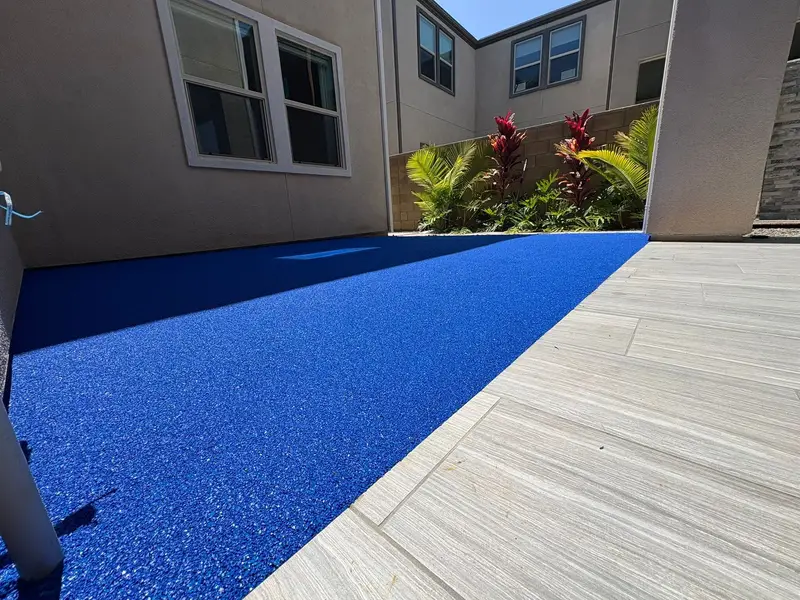
Rubber stays comfortable underfoot and drains well around pools, spas and splash features. Lighter colors reduce heat, and textured finishes provide traction for wet feet. It does not crack like concrete or hold the grime that collects in pavers.
We detail the edge at the coping so water flows away from the pool.
HOA playgrounds and common areas
HOA boards often manage playgrounds that were built years ago with wood chips or worn tiles. Replacing them with rubber improves appearance, reduces upkeep and gives residents confidence. We can renovate one area at a time, using the community's reserves and annual budgets.
We provide scopes, drawings and samples for board packets and owner notices.
Approvals and documentation
Many communities require architectural committee approval. We supply color samples, drawings, product data and proof of insurance so applications are complete. Early communication with neighbors and management helps avoid delays.
Our team can attend meetings to explain the work and answer questions.
Planning with the reserve study
Boards that plan ahead can schedule playground surfacing in the reserve study and avoid emergency spending. We give estimates for life expectancy, refresh cycles and upkeep that boards can use for long-term planning.
Documentation from our team helps managers track the work.
Liability and risk management
Playgrounds raise liability concerns. Surfacing is only one part of safety, but it matters. We design to the fall height of each structure, follow manufacturer data and recommend ASTM F1292 test information for the proposed build-up.
Boards should also discuss inspection routines and posted rules with their insurance advisor.
Colors and design for neighborhoods
Neutral colors blend with the landscape, while brighter blends suit play zones. Borders, paths and simple inlays create a finished look. We show samples outdoors, so you see how the colors behave in sun and shade.
Boards often choose two or three colors that fit the community's existing palette.
Slopes, yards and drainage
Many Southern California yards slope toward walls and drains. We plan transitions so rubber stays smooth and water drains to landscape or existing systems. Edges are finished against walls and planters to avoid gaps.
If drainage looks risky, we recommend fixes before surfacing is installed.
Kids, pets and household use
Families with dogs often ask about urine and claws. Rubber handles normal pet use, and waste can be rinsed away. Heavy digging or very sharp claws can scratch the surface, so keep pets on grass or turf where possible.
Children love the grip and cushion, especially on hot days when they run barefoot.
Less dirt, mulch and mud
Wood chips scatter, rot and hide pests. Sand clumps and ends up in shoes and pools. Rubber stays put, stays clean and rinses with a hose. Owners notice the difference quickly in weekly chores.
Many families say the biggest benefit is the time they get back.
Heat and shade
Rubber can feel warm in direct sun, particularly in dark colors. Shade sails, trees and lighter blends help, and a quick rinse before play lowers the temperature. We discuss sun angles on the site walk.
Placement away from hot reflective walls also reduces heat.
Walkways, courts and other uses
Rubber is also used for garden paths, basketball half courts and play yards, where its cushion reduces joint stress. Smooth transitions to concrete or pavers keep strollers and bikes moving.
Ask us about combining play surfaces with turf, pavers and planting.
Timeline and what to expect
A backyard play area can often be finished in a few days. We prepare the base, mix and place the rubber, finish edges and leave the site clean. Curing time follows, and you get care instructions before we leave.
For HOA projects, schedules include notices, barriers and phasing.
Care and upkeep
Sweep or blow debris, rinse with water and use mild soap for stains. Avoid solvents and heavy loads, and trim planting that crowds the edges. Inspect monthly and call us if cracks or loose edges appear.
A basic routine keeps the surface looking fresh for years.
Neighbors, noise and good timing
Mixing and troweling are quiet compared with demolition, but trucks and tools still make noise. We start at reasonable hours, keep the street clear and let neighbors know when work will happen. Dust is limited and the site is swept daily.
Most homeowners find the process less disruptive than they expected.
Home value and resale
A clean, attractive play area appeals to buyers with children, and a low-upkeep yard is a selling point for everyone. Documentation of the installation helps buyers understand what they are getting.
If you plan to move, ask about colors and designs that appeal broadly.
Budgeting in phases
Some families install the play area first, then add paths or pool deck rubber later. Others start with the busiest zone. We design the full plan so phases connect cleanly and colors match.
A written scope lets you compare options and decide what to do now.
Keeping play areas safe over time
Check equipment bolts, rinse the surface and look for wear under swings each month. Replace worn parts and refresh the surface when edges lift or color fades. Supervise young children, and follow manufacturer guidance on age and weight limits.
Surfacing helps reduce injury risk, but it never replaces attention from caregivers.
Trampolines, sports and backyard courts
Rubber surfaces work beneath in-ground trampolines, around basketball hoops and in small sport courts. We size thickness for the activity, and we place edges and drains so the area stays dry. Color blocks mark boundaries and lanes.
Describe how your family plays, and we will shape the design to match.
Where to begin
Measure the area you have in mind, note the tallest piece of equipment and take a few photos. Send them with any HOA guidelines, and we will recommend a site walk. You will leave with a scope, a plan and samples to review at your own pace.
Questions at any stage are welcome, even before you decide to move forward.
Getting an estimate
Our poured-in-place rubber cost guide explains what moves the price. Send photos and rough dimensions through the free estimate form and we respond within 24 hours. Site walks are available the next day or later, depending on availability, and you receive a written scope after the visit.
What to know before you start
Ask the board who will retain the material sample and closeout photos after a management-company change. Store those records with the property documents, not solely in one resident's email.
Frequently Asked Questions
Sources
Last reviewed:
By Turbo Surfacing Solutions team · Planning updated:
KEEP EXPLORING.
Other Southern California surfacing projects we specialize in — handpicked because they share the same materials, standards, or installation crew as this page.
Related Poured-In-Place Rubber & Resources
Sibling services, cities where we install this, and blog posts that go deeper.
More Poured-In-Place Rubber
- PIP Rubber InstallationProfessional Installation
- PIP Installation ProcessOur Process
- PIP Rubber MaintenanceMaintenance Guide
Cities We Serve
- Poured-In-Place Rubber in Chula Vista
- Poured-In-Place Rubber in San Diego
- Poured-In-Place Rubber in Oceanside
Get a Quote for PIP Rubber for Homes & HOAs
Get a free, no-obligation estimate for your project. Our team responds within 24 hours.
Get HOA Pricing