- Licensed CA Contractor·
- ADA Compliant Installs·
- Serving All of Southern California·
- Free Estimates·
- Licensed, Bonded & Insured
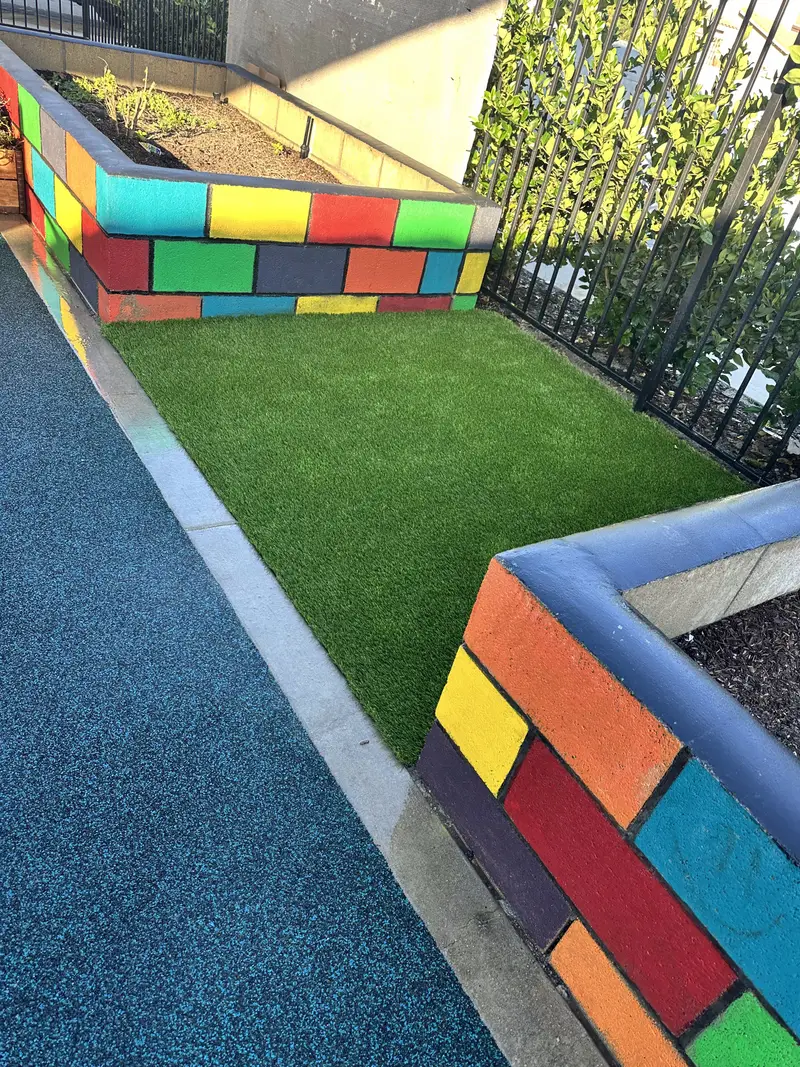
Rubber Pool Decking
Slip-resistant, barefoot-friendly rubber around pools and spas for homes, hotels, apartment communities and clubs.
Quick answer
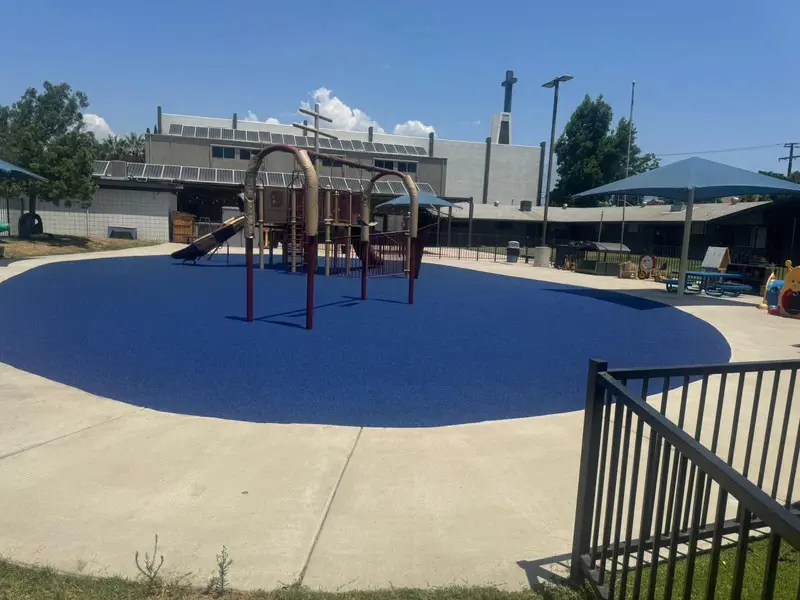
Poured-in-place rubber pool decking is a seamless, slip-resistant surface installed around pools and spas. It stays gentler on bare feet than rough concrete, drains toward deck drains and can be colored to stay comfortable in sun. Turbo Surfacing is licensed, bonded and insured, and coordinates with pool builders on coping, drains and elevations.
Key takeaways
- Texture grips wet feet.
- Lighter colors stay comfortable.
- Existing decks can be resurfaced.
- Drainage and coping details matter.
Pool decks take wet feet, sunscreen and sun all summer. Rough concrete scrapes toes, pavers shift and tile gets slick. Many owners want a deck that is safer for kids and easier on feet.
This page covers pool decks for private pools, hotels, HOAs and clubs. For splash pad play areas, see our splash pad page.
Why rubber around a pool
Rubber has a fine texture that grips when wet, and it is softer than concrete if someone slips. It is continuous, so there are no joints for algae to settle in, and it dries fast in sun. Lighter colors stay more comfortable under bare feet.
Rubber suits many deck shapes, including curves around spas and planters.
Installing over existing decks
Many pool decks are old concrete with cracks and rough patches. Rubber can be poured over a sound slab after repairs and priming, which avoids tearing out the old deck. We inspect the slab and note cracks, settlement and moisture before recommending a build-up.
Failing slabs may need repair or replacement first.
Coping, edges and transitions
Where the deck meets the pool coping, details matter. Edges are finished flush and sealed to keep water out of the joint, and slopes lead water away from the pool. We coordinate with the pool builder so coping heights match.
Clean transitions keep the deck from catching toes.
Drainage and slope
Water should leave the deck, not pool on it. We set slopes toward deck drains, landscape beds or trench channels and confirm that drains stay accessible. Standing water makes any surface slippery and grows algae.
A walk after the first rain helps catch low spots.
Heat and color choice
Dark surfaces warm in sun. Lighter tans, grays and pastels are more comfortable for bare feet, and shade structures help even more. We bring samples so you can feel them in the afternoon sun.
A quick rinse before swim time cools the surface.
Chlorine, salt and cleaning
Pool chemicals and salt splash onto decks all day. Rubber tolerates normal splash, but concentrated chemicals and solvents can harm the binder. Rinse regularly with water and use mild soap for stains.
We give you a list of products to avoid and a simple routine.
Children and safety
Kids run on decks despite every warning. A grippy, cushioned surface reduces the chance of a bad slip, though no surface eliminates risk. Supervision, fences and rules still matter most.
Bright colors can mark shallow zones, steps and no-run areas.
Hotels, resorts and clubs
Commercial decks see heavy traffic and furniture. Rubber handles lounge chairs, carts and housekeeping equipment, and it can match brand colors. Work is scheduled during low season or in sections, so the pool can stay partly open.
Operators appreciate the quiet footsteps compared with tile.
HOA and apartment pools
Boards want safe, durable decks and clear records. We provide written scopes, color samples and schedules that fit community calendars. Phased work can keep half of the deck open.
Photos and drawings help boards explain the project to residents.
Spas, steps and entries
Spa surrounds and pool steps are the slickest places on a deck. Textured rubber adds grip, and contrasting colors mark steps. Rails and grab bars are anchored before the pour.
We coordinate with the pool builder on step heights and clearances.
Furniture, umbrellas and planters
Chairs, tables and umbrellas need stable support. Sleeves for umbrella bases are set before the pour, and pads protect the surface under planters. Heavy furniture should have wide feet or glides.
We mark furniture zones on the plan.
Lighting and evening use
Pools are often used after sunset. Lighting should show edges and steps without glare on wet rubber. Conduit and fixtures are coordinated with the electrician before surfacing.
Reflective strips at steps add safety.
Care and repairs
Sweep leaves, rinse the deck and wipe spills quickly. Inspect for loose edges and cracks, and repair small issues early. Sections can be replaced without rebuilding the whole deck.
Keep records of color and thickness for matching.
Scheduling around swim season
Rubber needs dry weather and cure time. Many owners schedule work in fall or early spring. We keep the pool covered or protected during work, and we give a written schedule.
Weather delays are communicated promptly.
Starting a pool deck project
Send photos of the deck, the pool and any trouble spots, plus a rough size. We will visit, test the slab and return a scope with color samples and options.
Rubber compared with other deck surfaces
Pavers look attractive but shift and hold weeds in joints. Stamped concrete can be hot and rough, and tile gets slick. Rubber costs more than plain concrete in many cases, though it adds cushion, grip and a seamless look. We lay out the tradeoffs honestly so owners can choose.
Many owners combine rubber with turf or planting beds around the pool.
Appearance and property value
A clean, intact pool deck makes a strong first impression for guests, renters and buyers. Photos of the finished deck help listings and marketing. Vacation rental owners can use them to show guests a clean, comfortable deck.
We provide before and after photos on request.
Getting an estimate
Our poured-in-place rubber cost guide explains what moves the price. Send photos and rough dimensions through the free estimate form and we respond within 24 hours. Site walks are available the next day or later, depending on availability, and you receive a written scope after the visit.
What to know before you start
Review the pool-cover route separately from the splash-pad spray layout. A shared rubber finish still needs identifiable access to both sets of service fittings.
Frequently Asked Questions
Sources
Last reviewed:
By Turbo Surfacing Solutions team · Planning updated:
KEEP EXPLORING.
Other Southern California surfacing projects we specialize in — handpicked because they share the same materials, standards, or installation crew as this page.
Related Poured-In-Place Rubber & Resources
Sibling services, cities where we install this, and blog posts that go deeper.
More Poured-In-Place Rubber
- PIP Rubber InstallationProfessional Installation
- PIP Installation ProcessOur Process
- PIP Rubber MaintenanceMaintenance Guide
Cities We Serve
- Poured-In-Place Rubber in Chula Vista
- Poured-In-Place Rubber in San Diego
- Poured-In-Place Rubber in Oceanside
Get a Quote for Rubber Pool Decking & Splash Pads
Get a free, no-obligation estimate for your project. Our team responds within 24 hours.
Request Pool Deck Quote