- Licensed CA Contractor·
- ADA Compliant Installs·
- Serving All of Southern California·
- Free Estimates·
- Licensed, Bonded & Insured
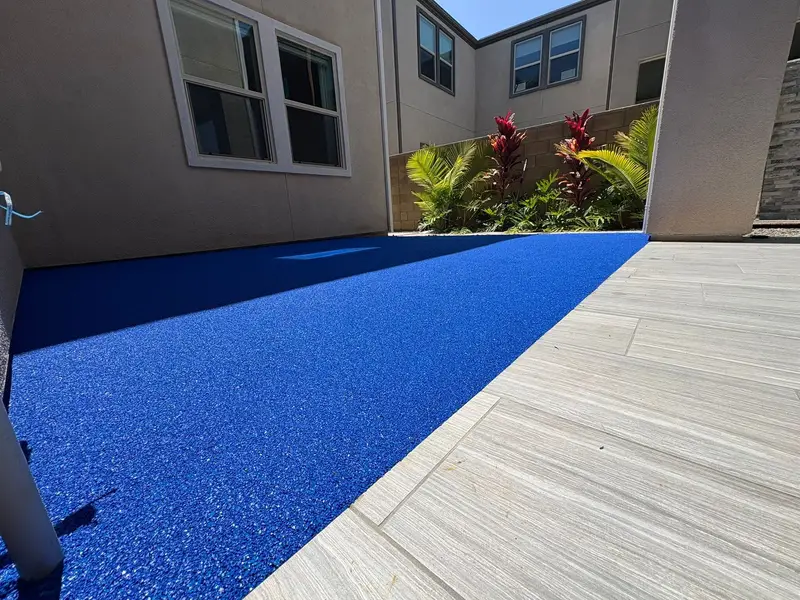
Poured-in-Place Rubber Tree Well Surfacing
Permeable, flexible surfacing that protects roots, keeps pedestrians safe and tidies tree pits.
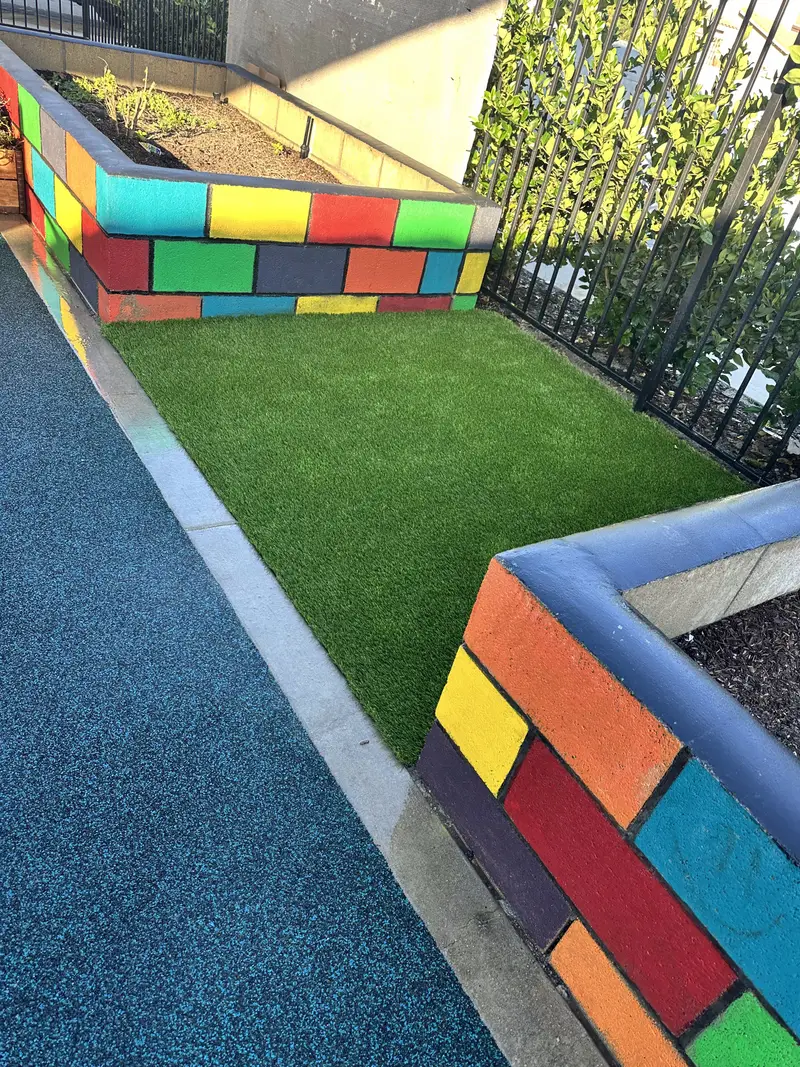
Quick answer
Rubber tree well surfacing is a permeable, flexible cover poured around tree trunks that lets water and air reach the roots while giving pedestrians a smooth, trip-free surface. It replaces bare dirt, gravel and cracked pavers. Turbo Surfacing is licensed, bonded and insured, and works with cities, campuses, retail centers and property managers.
Key takeaways
- Permeable surface supports root health.
- Flush edges reduce trip hazards.
- Plan for trunk growth.
- Sections can be replaced locally.
Street trees live in tight spaces. Bare soil turns to mud, gravel scatters, and pavers shift as roots grow. A permeable rubber surface keeps the pit tidy and trees healthy.
This page explains how tree well surfacing works, what it does for trees and walkers and how it is maintained.
Why tree wells need surfacing
Open tree pits collect trash, mud and weeds. They also become trip hazards when soil settles. A cover that stays smooth and lets water in solves both problems.
Retail streets, campuses and plazas use tree well surfacing to look their best.
Permeable surface and root health
Roots need water and air. A permeable rubber layer allows rainfall and irrigation to soak in while limiting evaporation and weeds. Arborists often specify a layer that lets gases escape from the soil.
We coordinate with tree consultants so the system supports the species planted.
Planning for trunk growth
Trees grow, and trunks widen. A good design includes expansion space and removable sections near the trunk. Edges can be trimmed back as the tree grows, and pieces can be replaced when the trunk expands.
Planning for growth prevents girdling and damage.
Base and edge details
The surface is installed over a prepared, compacted base with a gentle slope. Edges meet curbs, pavers and landscape strips with a clean, flush finish. Cutouts around trunks leave breathing room, and tree guards or grates can be integrated.
We protect roots during excavation and avoid cutting any larger than necessary.
Trip hazards and risk
A smooth surface flush with the sidewalk reduces trips and falls. Owners and cities have fewer claims, and pedestrians feel safe. Color contrast marks the tree well edge, so people see it.
We document conditions before and after for risk management records.
Colors and designs
Earth tones, greens and grays blend with sidewalks and plantings. Patterns, borders and inlays can match brand colors or city standards. Samples help committees pick colors that suit the setting.
Consistency across a street makes the tree wells look intentional.
Irrigation and drainage
Irrigation lines and bubblers can stay in place under or beside the surface. Water should flow into the soil, not run onto the sidewalk. We plan slopes so rainfall enters the pit and overflow reaches the gutter.
Maintenance teams can still access valves and emitters.
Access for maintenance
Tree crews need to inspect roots, adjust irrigation and prune. Surfaces can include removable panels or cut lines near the trunk. Repairs are simple, and new material blends with old.
We provide a map of panel locations for crews.
Streets, plazas and parking lots
Tree wells appear in retail districts, parking lots, campus courtyards and downtown plazas. Each setting has its own pedestrian flow, vehicle risk and maintenance pattern. We tailor the design to each.
Parking lot islands may need stronger edges to resist bumpers.
City and agency coordination
Street trees are often controlled by public works departments. We supply product data, drawings and samples for review, and we coordinate with arborists, landscape architects and inspectors.
Clear communication keeps approvals moving.
Heat and soil temperature
Rubber is darker than soil and can warm in sun. Lighter colors and a layer of aggregate or mulch below can help moderate temperature. We discuss conditions with arborists, especially for young or sensitive trees.
Shade from the tree itself often cools the surface as it grows.
Cleaning and care
Sweep or blow leaves, rinse the surface and remove weeds that sprout at edges. Check for lifted sections or roots pushing up from below. Trim edges as the trunk grows.
Regular care keeps the surface neat for many years.
Repairs and replacement
Sections can be cut out and replaced when roots lift the surface or when utilities need access. New rubber blends with old, and color can be matched. Repairing early prevents trip hazards.
Keep a record of the build-up so repairs fit well.
Species, sizes and tree health
Different trees have different needs. Oaks, sycamores, olives and palms each respond differently to compaction, water and soil temperature. We ask for the species and the planting date, and we adjust layers and openings to match.
Arborists can review plans and recommend adjustments before work begins.
Grates, guards and alternatives
Metal grates and tree guards are common in downtown areas. Rubber can replace or complement them, and it costs less to maintain than rusted metal. Some projects combine a guard with rubber for the best protection and appearance.
We compare options in simple tables so decision makers can choose.
Strollers, wheelchairs and pedestrians
Narrow sidewalks with tree pits make life hard for strollers and wheelchairs. A flush rubber surface adds usable width and reduces the need to step into the street. Edges are finished smoothly and marked for visibility.
Pedestrian flow is considered when we choose the opening size around each trunk.
Schedule and traffic control
Tree wells sit next to traffic and pedestrians. We set up barriers, signs and walkways, and we work during hours that minimize disruption. A crew can complete several wells in a day under good conditions.
Cities and property managers receive a written plan for traffic and pedestrian control.
Mulch, weeds and pests
Open soil invites weeds and pests, and mulch washes into the gutter. Rubber covers soil and reduces weed growth, so crews spend less time cleaning. Edges are sealed to keep soil from spilling out.
Less debris also means fewer clogged storm drains.
Budgets and phased installation
Streets with many trees can be completed in phases, starting with the worst trip hazards. Written scopes and unit pricing help agencies plan and compare. Option pricing for colors and edge details supports council reports.
We provide drawings for each phase.
Documenting before and after
Photographs of the existing tree wells, trip hazards and root conditions help agencies prioritize work and justify budgets. We take photos before, during and after installation, and share them with city staff, property managers and arborists.
Records like these also help with insurance and claims.
How to start a tree well project
Walk the street and note the worst trip hazards, the species of trees and any irrigation. Send photos and a rough count to start, and we will arrange a site walk. You receive a scope, a plan and samples so you can compare options with your arborist.
Seasonal checklist for crews
In spring, inspect panels after winter rains and trim edges. In summer, check irrigation and rinse dust. In fall, clear leaves from the surface and drains. After storms, look for lifted sections and debris. A short checklist posted in the maintenance yard keeps this routine consistent.
Getting an estimate
Our poured-in-place rubber cost guide explains what moves the price. Send photos and rough dimensions through the free estimate form and we respond within 24 hours. Site walks are available the next day or later, depending on availability, and you receive a written scope after the visit.
What to know before you start
Photograph the trunk flare and exposed roots before agreeing on the rubber boundary. Leave future tree-care access on the drawing so surfacing does not become an assumed replacement for arborist advice.
Frequently Asked Questions
Sources
Last reviewed:
By Turbo Surfacing Solutions team · Planning updated:
KEEP EXPLORING.
Other Southern California surfacing projects we specialize in — handpicked because they share the same materials, standards, or installation crew as this page.
Related Poured-In-Place Rubber & Resources
Sibling services, cities where we install this, and blog posts that go deeper.
More Poured-In-Place Rubber
- PIP Rubber InstallationProfessional Installation
- PIP Installation ProcessOur Process
- PIP Rubber MaintenanceMaintenance Guide
Cities We Serve
- Poured-In-Place Rubber in Chula Vista
- Poured-In-Place Rubber in San Diego
- Poured-In-Place Rubber in Oceanside
Get a Quote for PIP Rubber Tree Wells
Get a free, no-obligation estimate for your project. Our team responds within 24 hours.
Request Tree Well Quote