- Licensed CA Contractor·
- ADA Compliant Installs·
- Serving All of Southern California·
- Free Estimates·
- Licensed, Bonded & Insured
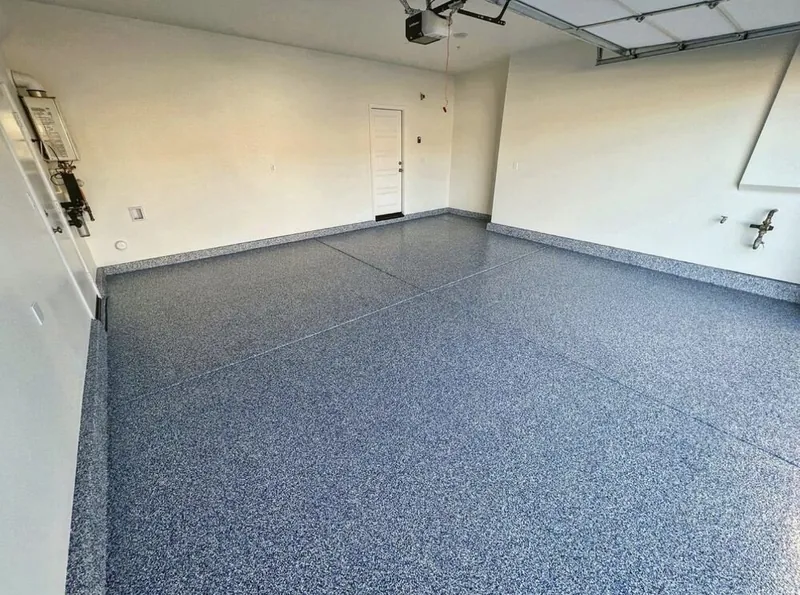
Epoxy Floor Coatings, Polished Concrete and Concrete Grinding
Licensed, bonded and insured concrete floor work for garages, shops, warehouses and commercial spaces, planned around slab condition.
WE DESIGN. WE INSTALL. WE SERVICE.
INSTALLATION SERVICES PROVIDED.
From playgrounds to parking structures — find the right solution for your project.
Ready to get started?
RECENT INSTALLS.
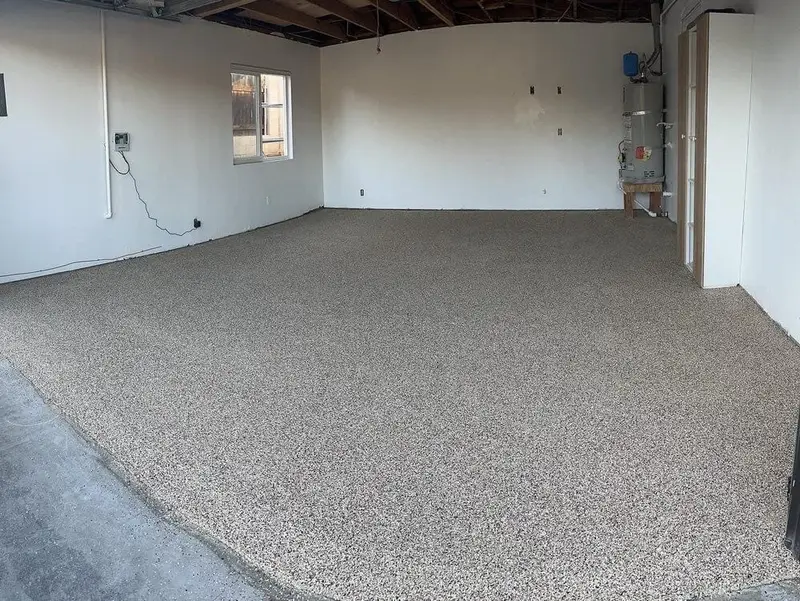
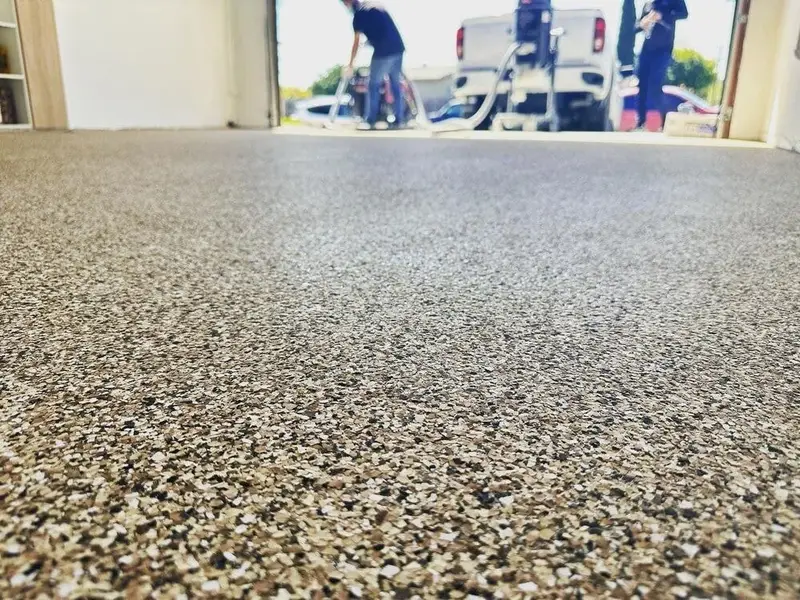
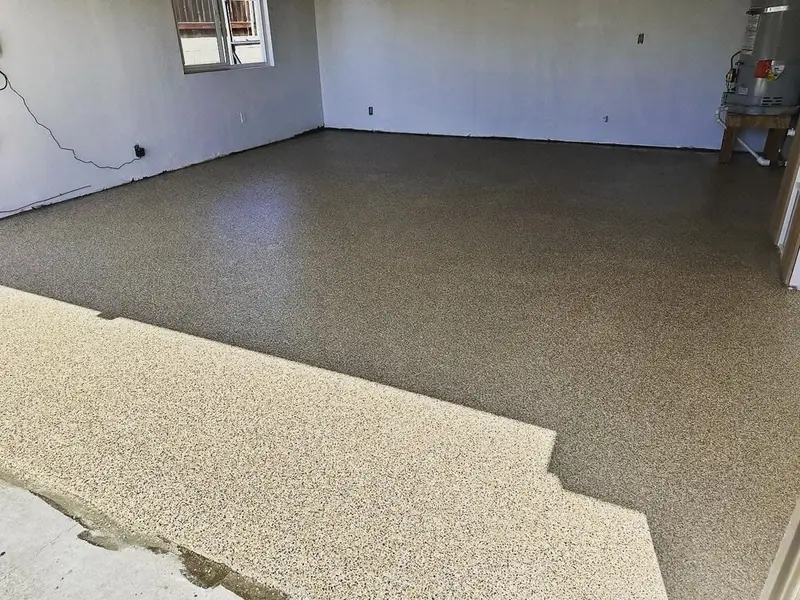
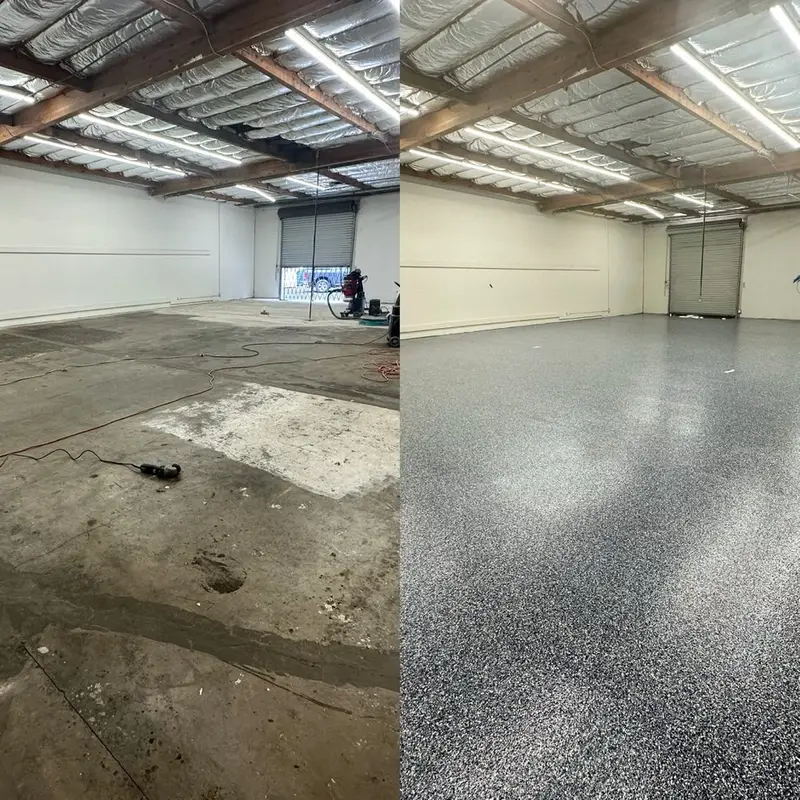
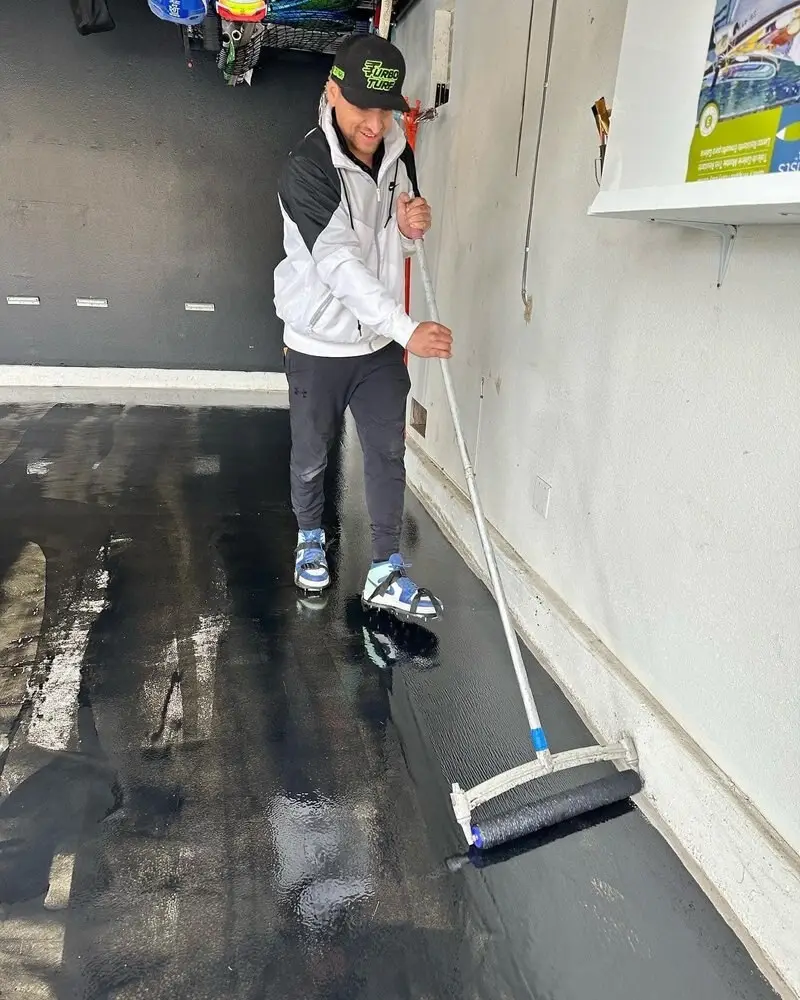
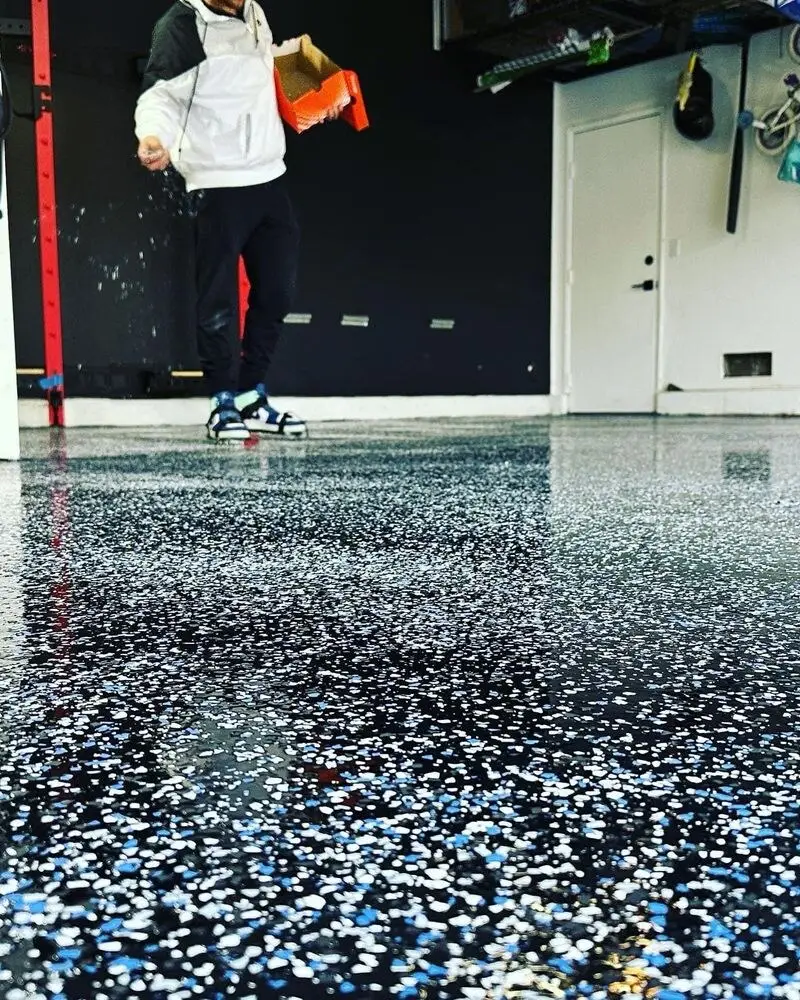
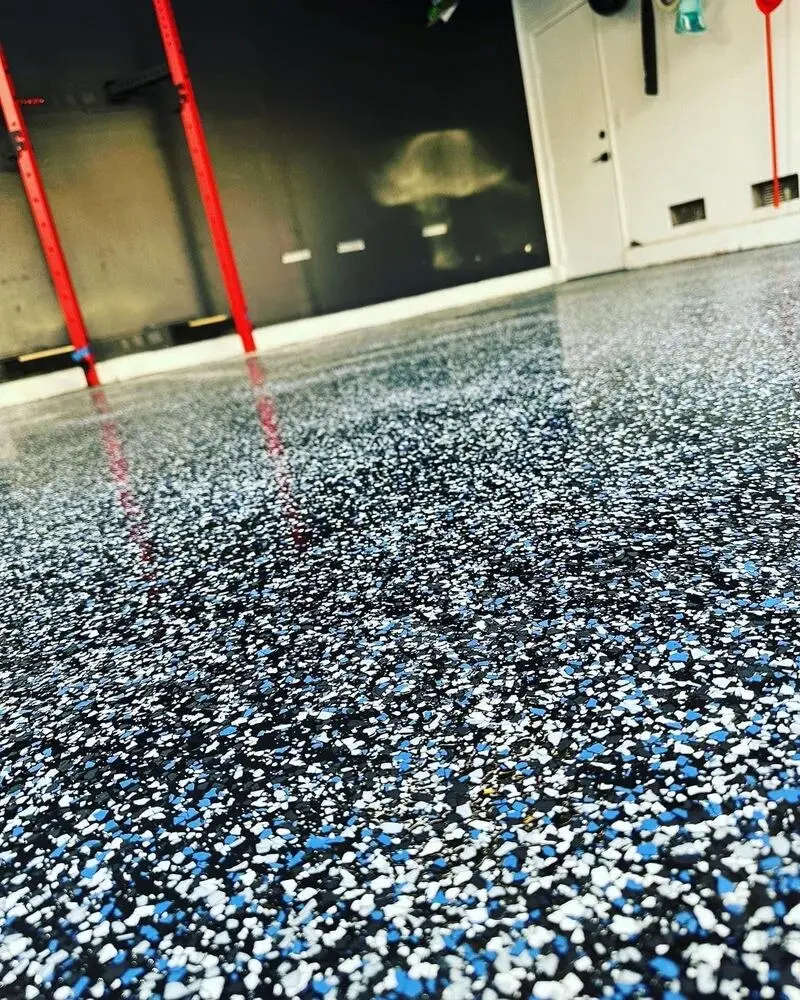
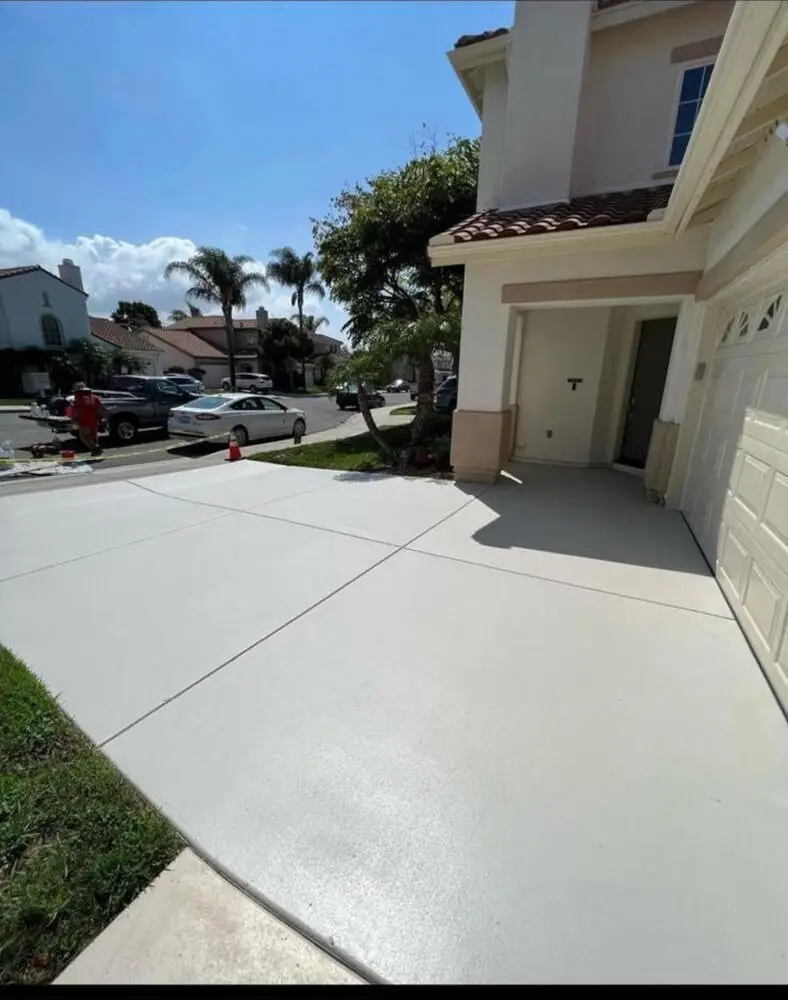
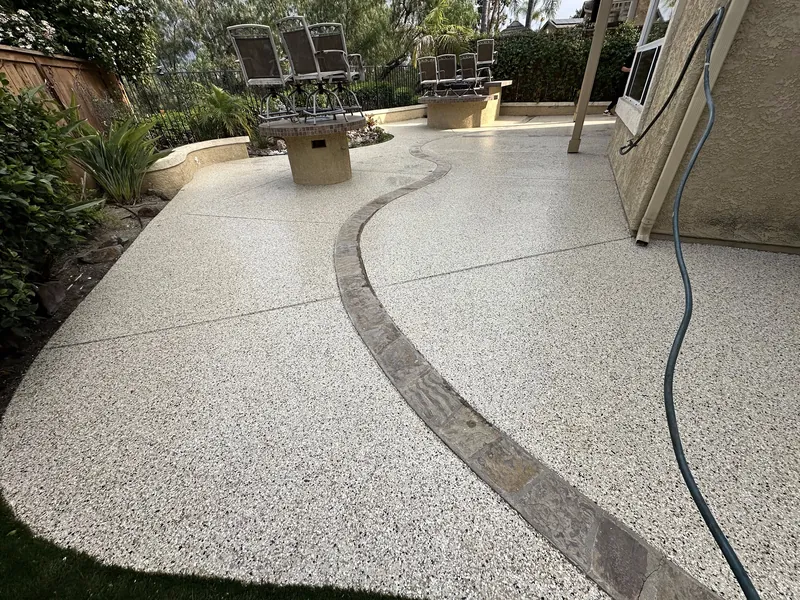
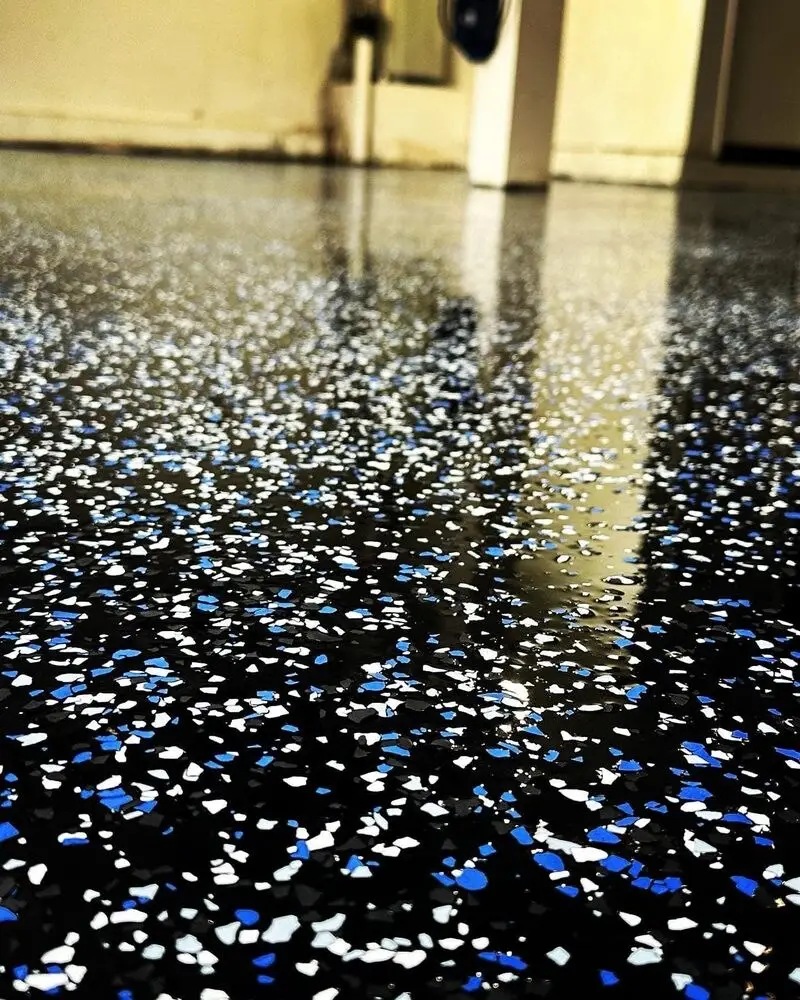
Turbo Surfacing project photos.
Quick answer
Turbo Surfacing installs epoxy floor coatings, polished concrete, grinding and joint sealing for garages, shops and commercial floors across Southern California. Planning ranges are $5 to $12 per square foot for epoxy and $4 to $10 for polished concrete, and we test and prepare every slab first. We are licensed, bonded and insured.
Key takeaways
- Planning ranges are $5 to $12 per square foot for epoxy and $4 to $10 per square foot for polished concrete.
- Slab preparation, including moisture testing, decides how well a coating lasts.
- Lifted walkway edges can often be ground smooth when the concrete is sound.
- Caulking and joint sealing run $4 to $10 per linear foot.
- We respond within 24 hours, and site walks are available the next day or later.
A good floor finish is mostly preparation. The coating or polish you see is only as good as the slab under it, so the first questions are about moisture, cracks, old coatings and how the floor will be used. This page explains the options, how we prepare a slab, what each system costs and when grinding or repair should come before anything else.
The four systems
Epoxy floor coatings bond to a ground slab and cure into a durable, easy to clean surface. Finishes include solid colors, decorative flake and metallic looks. Planning range: $5 to $12 per square foot.
Polyaspartic and polyurea topcoats are used where a faster return to service or added UV stability matters. Cure time depends on the system and conditions, so ask for the schedule in the written scope.
Polished concrete grinds the slab through progressively finer steps, densifies and finishes it so the concrete itself becomes the floor. Planning range: $4 to $10 per square foot.
Concrete grinding levels lifted slab edges that cause trips, removes old coatings and prepares floors for new finishes.
Caulking and waterproofing seals joints and cracks to control water. Planning range: $4 to $10 per linear foot.
Finishes: solid, flake, metallic and quartz
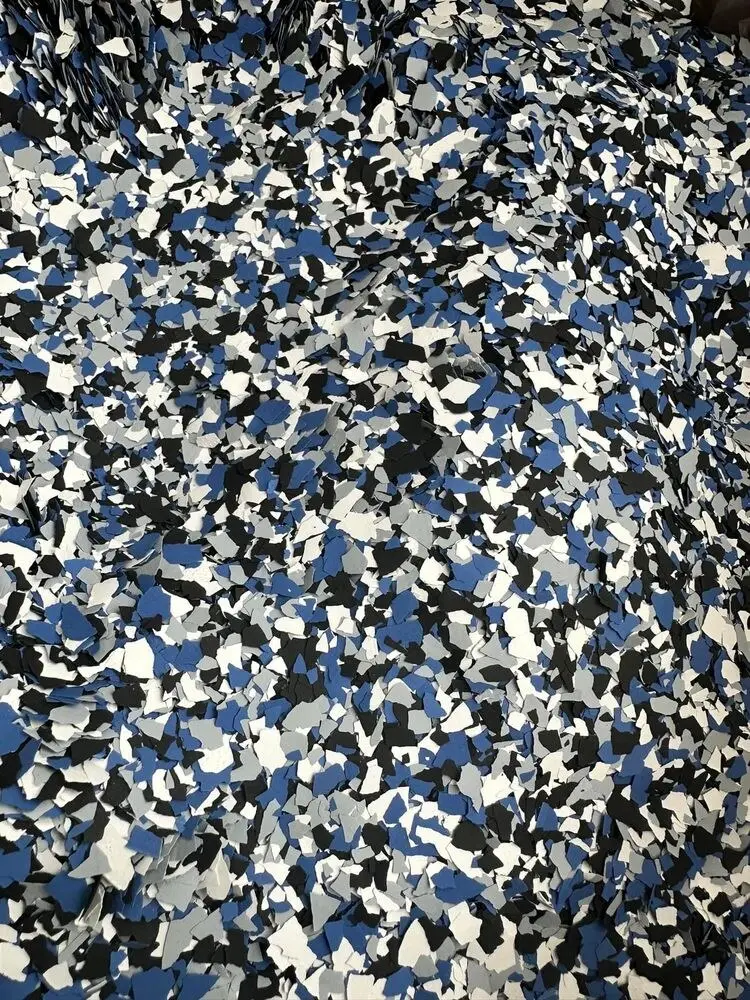
Solid color is the simplest finish and is common in shops and warehouses where cleanability matters most. Decorative flake broadcasts colored chips into the coating, which adds texture, hides small imperfections and is popular in garages. Metallic finishes use pigments that swirl and shimmer, producing a one of a kind look often chosen for showrooms, retail and some residential spaces. Quartz systems blend colored sand into the coating for a durable, textured surface that offers more slip resistance.
Each finish has a different look, texture and installation process, and each has its own limitations. Bring photos of what you like, and tell us how the floor is used. We will explain which finishes suit your slab and your traffic, and which ones are more likely to show wear.
Epoxy and polyaspartic topcoats
Epoxy is a strong, adhesive coating that bonds well to a prepared slab. It is often used as a base coat because it fills and levels well. Polyaspartic and polyurea topcoats are chosen for UV stability and for faster return to service in some systems. A common system is an epoxy base with decorative flake and a polyaspartic topcoat, which combines bonding with UV and abrasion resistance.
Cure times depend on the system, the temperature and humidity, and the thickness applied. We give you a schedule in the written scope that says when foot traffic can return and when vehicles can. If a floor has to go back to work quickly, tell us at the estimate stage so we can choose a system that fits the schedule.
Why slab preparation decides the result
Most coating failures trace back to what was under the coating. Before we recommend a system we check for:
- Moisture. A slab that passes moisture vapor can push a coating off the surface. We test and choose the preparation and primer to match.
- Cracks and joints. Active cracks need repair and the right joint treatment so they do not telegraph through the finish.
- Old coatings, oil and contamination. Mechanical grinding opens the surface so the new system bonds.
- Surface profile and condition. Spalled or soft areas are repaired or removed first.
If a slab is not a good candidate for a coating, we say so and explain what repair is realistic.
Moisture, explained
Concrete is porous and slabs on grade can pass moisture vapor from the ground below. When a coating seals the surface, vapor pressure can build under it and push the coating off in bubbles or sheets. That is the most common reason a floor fails.
We test slabs before we recommend a system. Depending on the slab, we may choose a moisture mitigating primer, change the system or recommend a different finish. Older slabs without a vapor barrier, slabs near landscaping and slabs that stay damp after rain are the usual suspects. If you have seen white powder, damp patches or bubbling under a past coating, tell us.
Joints, cracks and movement
Concrete slabs move. Control joints are cut to guide cracking, and expansion joints allow movement against walls and columns. A coating that bridges a moving joint will crack along the joint, so we treat joints with flexible fillers and plan the coating around them. Hairline cracks that are not moving can often be filled and coated, while active cracks need more attention.
Ask any contractor how joints and cracks will be treated. A bid that says nothing about them is a bid that may leave a visible line across your new floor. We note joint treatment in the written scope so you can compare it with other bids.
Choosing a system for how the floor is used
Residential garages. Appearance and easy cleaning matter. Decorative flake or solid colors are common, and moisture testing is worth doing on older slabs.
Shops and warehouses. Traffic, chemicals and forklifts drive the choice. Thicker systems, joint treatment and slip resistance are discussed up front.
Restaurants and retail. Cleanability, slip resistance and downtime matter, so we plan work around operating hours.
Polished concrete. It suits large, flat floors with sound concrete, and it can reduce coating maintenance. Results depend on the existing slab, because polishing shows what is in the concrete.
Slip resistance and safety
A smooth, glossy floor looks sharp and can be slippery when wet. Slip resistance is added with texture, such as flake, quartz or an anti slip additive in the topcoat. The right level depends on where the floor is used. A dry garage needs less than a wash bay, a commercial kitchen or a ramp. Tell us about water, oil, ramps and foot traffic, and we will recommend a texture level and note it in the scope.
Safety also includes visible markings. Lines, safety zones and numbers can be built into the floor, and color contrast at steps and edges helps people see changes in level.
Garage floors: what to expect
A garage floor takes hot tires, oil, road salt and chemicals, and it is often a slab that has not been prepared for a coating. Expect us to talk about moisture, cracks and old paint or sealer, and to grind the surface rather than rely on cleaning alone. Expect a day or more of work, with the garage closed to vehicles while the coating cures.
Decorative flake in a color that hides dust is a popular choice. If you want a showroom look, metallic is a possibility. If your slab has settled or has wide cracks, we will tell you what repair is realistic, and whether a coating is a sensible use of your money.
Shops, warehouses and commercial floors
Commercial floors face forklifts, pallet jacks, dropped tools, chemicals and washdowns. They also have schedules to protect. We plan work in sections, around your operating hours or on weekends, and we talk with you about where product and equipment will be staged. For food, auto and industrial spaces, tell us about chemicals, temperatures, drains and cleaning routines so the system is chosen for the real conditions.
Joint treatment, drain details and wall transitions get special attention on commercial floors. We note them in the scope. If your insurer or landlord has requirements, send them early.
Concrete grinding for trip hazards
HOAs, churches, schools and property managers often call about lifted walkway panels, which create trip hazards and liability. Where the concrete is sound, a lifted edge can often be ground smooth instead of replacing the panel. Crumbling or badly settled panels usually need replacement. We assess each location and tell you plainly which path makes sense, so you can compare bids on the same terms.
Polished concrete: levels of finish
Polishing is done in steps, using finer and finer diamond abrasives. A lower level of polish gives a matte or satin look and shows more of the concrete's character, while a higher level gives a more reflective finish. Some floors expose aggregate, some keep the cream surface, and the choice affects both look and cost.
A densifier hardens the surface, and a guard or sealer protects it. Floors are maintained with regular dust mopping and occasional cleaning with a neutral cleaner. Because polishing reveals what is in the concrete, we do a test area when the slab is uncertain, and we explain what we see before you commit.
How a project works
- Request an estimate. We respond within 24 hours.
- Site walk. Site walks are available the next day or later, depending on availability. We inspect, measure and test the slab.
- Written scope. It lists the area, the preparation, the system, the number of coats and the schedule.
- Preparation and installation. We grind, repair, prime and apply the system, planning work around your operations.
- Closeout. A final walkthrough and care instructions. Warranty terms vary by product and system and are provided in writing with each estimate.
What floors cost
Planning ranges are $5 to $12 per square foot for epoxy coatings, $4 to $10 per square foot for polished concrete and $4 to $10 per linear foot for caulking. Slab condition, repairs, area size, system and finish, and access move a price up or down. Smaller areas cost more per square foot. The cost guides for epoxy floor coatings, concrete grinding and polishing and caulking explain each factor.
Care
Sweep or dust mop regularly, clean with a mild cleaner and wipe up oil, chemicals and other spills promptly. Avoid dragging pallets, equipment or heavy furniture across the surface, and use pads under legs and casters. Hot tires, harsh solvents and standing water are the usual causes of early wear in garages and shops. We leave you with a short care routine at closeout, and your written estimate explains which routines keep your coverage in place.
Next steps
Send photos, rough dimensions and a note about how the floor is used through the free estimate form. We respond within 24 hours. See also our elastomeric wall coatings page, and the county pages for San Diego, Orange, Los Angeles, Riverside, San Bernardino, Ventura and Imperial.
What to know before you start
Keep a marked sample showing the agreed finish next to the system schedule. Separate the approved appearance from the product specification so a later maintenance purchase does not treat gloss as the product name.
Frequently Asked Questions
Sources
- California Civil Code section 5550, reserve studies
- California Contractors State License Board license lookup
Last reviewed:
By Turbo Surfacing Solutions team · Planning updated:
Explore More Epoxy & Concrete Polishing
Top applications, cities we install in, pricing, and the latest epoxy & concrete polishing insights — all curated from this hub.
Most-Requested Installs
- Epoxy FlooringEpoxy Systems
- Metallic Epoxy FlooringMetallic Epoxy
- Epoxy Chip FlooringChip Systems
- Epoxy Quartz FlooringQuartz Systems
EVERYTHING EPOXY & CONCRETE POLISHING — IN ONE MAP.
Every page we've built around epoxy & concrete polishing — applications, cities we serve, pricing, related services, and resources. One topic, fully mapped.
Applications
Surface types & install scenarios
- Epoxy Flooring
- Metallic Epoxy Flooring
- Epoxy Chip Flooring
- Epoxy Quartz Flooring
- Solid Epoxy Flooring
- Urethane Cement Flooring
- Polyurea & Polyaspartic Coatings
- Acrylic Flooring
- Concrete Polishing
- Acid Staining
Cities We Serve
Local landing pages
- Epoxy & Concrete Polishing in Chula Vista
- Epoxy & Concrete Polishing in San Diego
- Epoxy & Concrete Polishing in Oceanside
- Epoxy & Concrete Polishing in Escondido
Pricing & Tools
Real numbers, instant estimates
Related & Resources
Nearby services & company info
Ready to Get Started with Epoxy Floor Coating & Concrete Grinding San Diego?
Get a free, no-obligation estimate for your project. Our team responds within 24 hours.
Get Epoxy or Concrete Quote