- Licensed CA Contractor·
- ADA Compliant Installs·
- Serving All of Southern California·
- Free Estimates·
- Licensed, Bonded & Insured
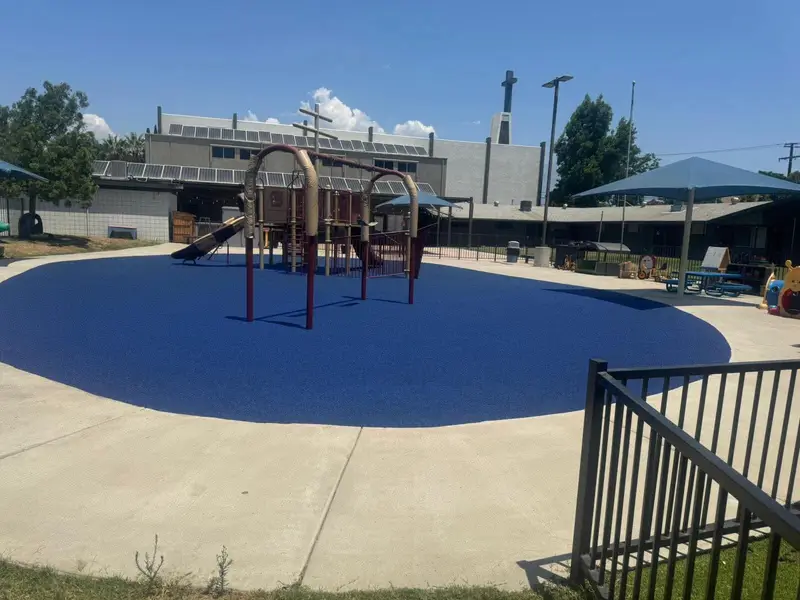
Poured-in-Place Rubber Maintenance and Cleaning Guide
Simple routines that keep rubber surfaces clean, safe, bright and long lasting.
Quick answer
Poured-in-place rubber stays safe and attractive with regular sweeping or blowing, rinsing with water, prompt spot cleaning and routine inspections for loose edges, cracks and wear. Avoid harsh solvents and heavy point loads. Turbo Surfacing is licensed, bonded and insured, and provides care sheets, repairs and refreshes for rubber surfaces across Southern California.
Key takeaways
- Sweep and rinse regularly.
- Avoid solvents and heavy loads.
- Inspect monthly and log findings.
- Repair small damage early.
Rubber surfacing needs far less care than wood chips or sand, but it is not maintenance free. Dirt, debris, sun and heavy use take a toll.
This page lays out what to do daily, monthly and yearly, how to handle stains and when it is time to call for repairs.
Daily and weekly care
Sweep or blow leaves, litter and grit off the surface. Small stones act like sandpaper under shoes, so clearing them protects the finish. Empty trash cans close by and check that no broken glass or sharp items have landed on the area.
Weekly, rinse the surface with a hose to remove dust and sticky residue.
Washing and rinsing
Use plain water and a soft-bristle push broom for most cleaning. For heavier dirt, a mild detergent diluted in water works well, followed by a thorough rinse. If using a pressure washer, choose a low setting and a wide fan tip, and keep the nozzle moving.
High pressure can damage the surface, especially at seams and edges.
Stains, gum and spills
Blot spills with paper towels and rinse promptly. Chewing gum can be hardened with ice and lifted off with a plastic scraper. Oil, grease and food stains respond to mild detergent and a soft brush.
Avoid solvents, gasoline and paint thinners, which can dissolve the binder and leave permanent marks.
Weeds, moss and plant growth
Seeds blow in and sprout along edges and in cracks. Pull weeds when they are small, and keep planting beds neatly trimmed. Moss and algae can grow in shaded damp corners, and a gentle scrub with detergent removes them.
Improving drainage and trimming shade trees reduces the problem.
Sun, color and surface aging
Sunlight dulls binder and can fade colors a little over time. Lighter colors are less obvious than dark ones. A thin surface layer of dust is not damage and usually rinses off.
When color has changed noticeably, a refresh coat or new wearing layer can restore the look.
Wear areas and heavy use
Spots under swings, at slide exits and along entrances see the most traffic and wear first. We check these areas more often, and extra material can be used in repairs to match the original thickness.
Keep scooters, skateboards and sharp cleats off play surfaces when possible, since they cut the finish.
Vehicles, furniture and point loads
Standard rubber surfaces are not designed for trucks or heavy machinery. Maintenance carts, tables and tent legs should have wide feet or boards under them to spread weight. Avoid dragging heavy objects across the surface.
If vehicles need access, tell us during design so the right build-up is chosen.
Regular inspections
Walk the area every month and look for cracks, loose edges, lifted seams, soft spots and exposed base. Check around posts and drains. Take photos and write short notes, so you can compare conditions over time.
Playground owners often keep a written log, which helps if questions ever arise.
Repairs and patching
Small cracks and chips can be filled and blended, while larger damaged sections are cut out and replaced with fresh material. Colors are matched as closely as possible, though some difference may appear between old and new rubber.
Repairing early keeps small problems from growing into larger ones.
Edges, curbs and transitions
Edges take the most abuse from mowers, carts and foot traffic. Keep trimmers away from the rubber, and check that curbs and borders remain firm. Loose edges should be glued down or re-sealed quickly.
A neat edge also stops dirt and mulch from blowing onto the rubber.
Splash zones and wet areas
Rubber used around splash pads and pools stays damp more often. Rinse to clear chemicals and mineral deposits, and scrub algae when it appears. Keep drains open so water can leave quickly.
Surfaces that dry fast stay safer underfoot.
Pets, animals and waste
Pet waste should be picked up and the area rinsed. Urine can leave odors and discoloration if left. Use mild enzyme cleaners when needed, and rinse thoroughly.
Wildlife droppings from birds and rodents should be cleaned promptly for hygiene.
A year-round schedule
Spring is a good time for a deeper wash and a full inspection. Summer calls for frequent rinsing and attention to heat. In fall, leaves are the main issue, and winter storms bring debris and standing water.
A simple calendar makes it easier for staff and volunteers to keep up.
When to call for service
Call us when you see cracks wider than a hairline, patches of loose rubber, deep scuffs, color loss or soft areas. We inspect, explain the cause and quote the repair or refresh.
Seasonal visits are also available for schools, parks and communities that want help staying on top of care.
Schools, parks and shared sites
Public sites need a written routine. Assign a person to check the surface each week, keep a small kit with a broom, a hose, gloves and a scraper and post a contact for reporting damage. Staff turnover is common, so a one-page checklist helps new people pick up where others left off.
We can write that checklist for your site and train the team during the final walkthrough.
Hot weather and surface temperature
Dark rubber warms in direct sun. A quick rinse before use lowers the temperature, and shade sails or trees help when equipment is placed in open areas. Lighter colors stay a little cooler, though they show dirt more easily.
On very hot afternoons, check the surface with your hand before sending small children onto it.
After storms and heavy use
Rain brings mud, leaves and debris, and the surface should be cleaned afterward. Check that drains are open and water is not pooling at low spots. After large events, walk the area for litter, gum and damaged edges.
Taking five minutes right after a busy day prevents damage from spreading.
Cleaning supplies worth keeping on hand
A small kit goes a long way: a stiff push broom, a leaf blower, a garden hose with a spray nozzle, mild dish detergent, a plastic scraper, rubber gloves and paper towels. Label a bucket for the surface and keep it away from chemicals used elsewhere on the property. Replace worn brooms before they start scratching.
Keeping records for owners and insurers
A dated log of inspections, cleanings and repairs shows that the surface is being cared for. Include photos, who did the work and what was found. Insurers, school boards and property managers often ask for this kind of record after an incident, and it also helps you plan budgets for refreshes.
Refreshing an older surface
After many years of sun and use, a surface may look tired even when it is sound. Cleaning, patching and a new thin wearing layer can restore color and grip without replacing the whole system. We inspect first and tell you whether a refresh or a full replacement makes sense.
Getting an estimate
Our poured-in-place rubber cost guide explains what moves the price. Send photos and rough dimensions through the free estimate form and we respond within 24 hours. Site walks are available the next day or later, depending on availability, and you receive a written scope after the visit.
What to know before you start
Take repeat photographs from the same marked viewpoints instead of collecting unrelated close-ups. Include a ruler beside an opening or worn edge so a later inspection can distinguish growth from a change in camera angle.
Frequently Asked Questions
Sources
Last reviewed:
By Turbo Surfacing Solutions team · Planning updated:
KEEP EXPLORING.
Other Southern California surfacing projects we specialize in — handpicked because they share the same materials, standards, or installation crew as this page.
Related Poured-In-Place Rubber & Resources
Sibling services, cities where we install this, and blog posts that go deeper.
More Poured-In-Place Rubber
- PIP Rubber InstallationProfessional Installation
- PIP Installation ProcessOur Process
- Surfacing ApplicationsApplications
Cities We Serve
- Poured-In-Place Rubber in Chula Vista
- Poured-In-Place Rubber in San Diego
- Poured-In-Place Rubber in Oceanside
Get a Quote for PIP Rubber Maintenance
Get a free, no-obligation estimate for your project. Our team responds within 24 hours.
Request Maintenance Plan