- Licensed CA Contractor·
- ADA Compliant Installs·
- Serving All of Southern California·
- Free Estimates·
- Licensed, Bonded & Insured
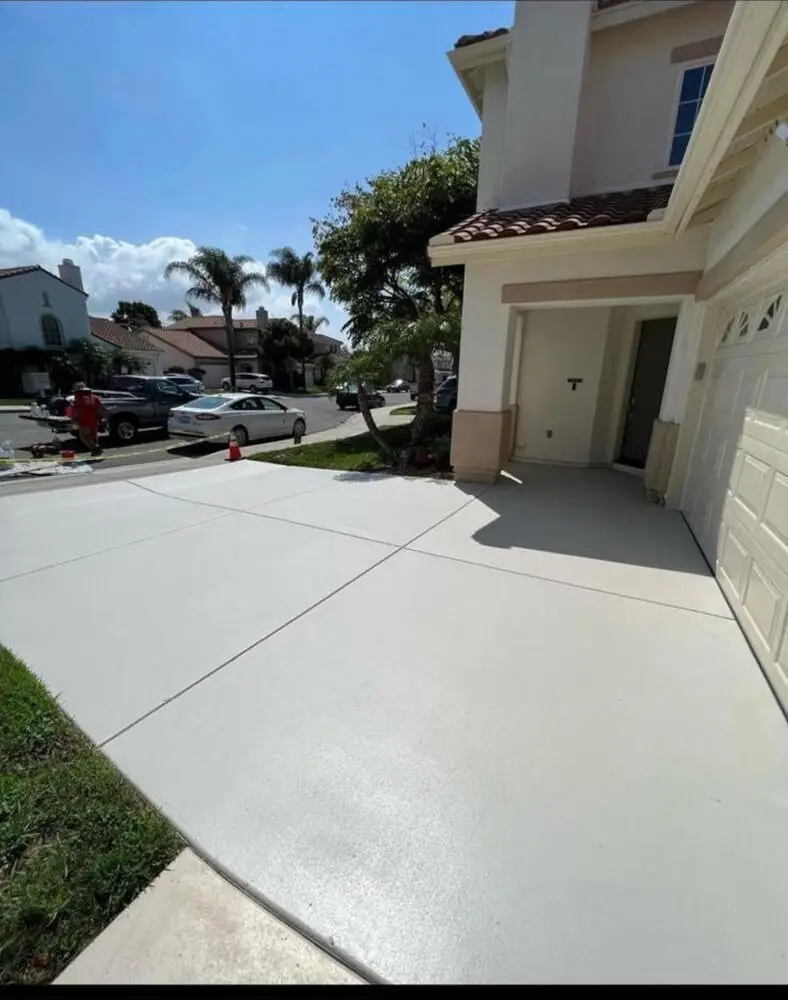
Concrete Caulking and Waterproofing for Joints, Cracks and Slabs
Sealing the joints and cracks where water gets in, for associations, churches, schools and property managers.
WE DESIGN. WE INSTALL. WE SERVICE.
INSTALLATION SERVICES PROVIDED.
From playgrounds to parking structures — find the right solution for your project.
EXPLORE MORE.
Ready to get started?
Quick answer
Turbo Surfacing seals concrete joints and cracks on slabs, walkways, walls and decks, and addresses the paths water takes into a structure. Joint type, preparation and product choice decide whether sealant lasts, so we assess each joint before we recommend a scope. We are licensed, bonded and insured and respond within 24 hours.
Key takeaways
- Joint type decides which sealant and depth to use.
- Removal, cleaning and backing are most of the job.
- Sealant is one part of water control, alongside slope and drainage.
- Plan joint sealing as an ongoing maintenance item.
- Map every joint on large properties before you ask for bids.
Water is patient. It finds a hairline crack, enters a joint that has pulled away from the concrete or runs along a wall to a place where sealant has failed. Once it is inside, it freezes, corrodes, stains and softens things that were meant to stay dry. Sealing joints is one of the lowest cost ways to protect a structure, and one of the easiest to do badly.
This page explains how we approach caulking and waterproofing: how joints are classified, how they are prepared, how products are chosen and what else matters about the way water moves around a site.
Joint types and why they matter
Expansion joints are built to allow movement between slabs or between a slab and a structure. They need a flexible sealant installed at the right depth. Control joints are cut into slabs to guide cracking and usually move less. Construction joints appear where one pour met another. Wall to slab joints see movement and water. Cracks may be static, meaning they have stopped moving, or active, meaning they open and close.
Using the wrong product or the wrong depth for the joint is a common reason sealant fails. A flexible expansion joint filled with a rigid material tears apart, while a static crack filled with a very soft product may sag. We classify each joint before we choose a product.
Preparation is most of the job
Sealant only holds when it bonds to clean, sound concrete. We remove failed sealant, cut back loose or crumbling edges, clean the joint and let it dry. Deep joints get a backer rod that sets the depth, so the sealant has the right shape and moves properly. Where a product calls for a primer, we apply it.
Skipping any of these steps usually shows up within a season, as pulled edges, voids or sealant that looks fine and no longer seals. A bid that does not mention removal, cleaning and backing is a bid that may be pricing a quick bead of caulk instead of a repair.
Choosing a product
Sealants are not interchangeable. Polyurethane products are common for horizontal joints that see traffic and movement. Silicone products are common where flexibility and UV resistance matter, such as wall joints and some deck and pool details. Hybrid products combine some of the advantages of each. The right choice depends on the movement of the joint, how much sun it gets, whether it will be walked or driven on and whether the surface is going to be painted or coated.
We note the product, the joint depth and the expected movement in the written scope. If you are comparing bids, ask for the same information from each contractor.
Waterproofing is more than sealant
Sealant closes a path, but water usually has more than one. A slab that slopes toward a building, a gutter that discharges at a wall, a blocked drain and a failed surface coating all let water in. In some cases the better fix is to correct slope or drainage, to add a coating to a deck or to seal a wall, rather than to caulk joints alone.
We look at the whole path of water before we recommend a scope, and we price each step separately so you can see what each adds. When sealing is the answer, we say so. When something else needs to happen first, we explain why.
Walls, decks and slab edges
Joints are not limited to slabs. Walls have control joints, windows and doors have perimeter joints, and decks and balconies have edges where water meets structure. Each has its own movement and its own exposure to sun and rain, so each needs the right product and detail.
On decks and balconies, water that gets under a surface can cause damage that is hidden until it is expensive. A thorough scope looks at the slope of the surface, the condition of the coating and the transition where the deck meets a wall. Sealant at the wall is one part of a system, and we explain what else may be needed. Our elastomeric wall coatings page covers wall protection in more detail.
Questions to ask before you sign
Ask what is included for removal of old sealant, cleaning and priming. Ask what product is proposed and why it suits the movement and exposure of each joint type. Ask how joint depth will be set, and whether backer rod is included. Ask how many linear feet are in the scope and how they were measured. Ask what the plan is for areas where water is the real problem, such as slope or drainage.
Put the answers in writing and compare them across bids. A contractor who can explain these points plainly is giving you the information you need to judge the work, and a bid that cannot answer them is worth a second look.
Working in occupied buildings
Most sealing work happens where people live, work or worship. We plan around tenants, services and school days, keep walkways open where possible and mark areas that are closed. Some products have odors during application and cure times that depend on temperature and humidity, so we tell you in advance what to expect and agree on a schedule in writing.
For apartment communities and associations, we divide the property into zones and complete one before starting the next. We also provide notices that managers can pass on to residents.
Planning a property wide program
Properties with many joints are best handled as a program. Walk the site, map every joint and crack, group them by type and priority, and decide which to do now and which to schedule. Mapping once saves repeated visits, and it gives a board or a facilities manager a clear picture of the scope.
Sealant is a maintenance item. Even a good installation ages, especially in sun and where joints move, so plan inspection and resealing as part of owning a building. Associations should put joint sealing on the reserve schedule. Civil Code section 5550 requires a reserve study at least every three years.
Pricing
Caulking is priced by the linear foot, and waterproofing steps are priced by the area or the item. Joint size, old sealant removal, access, product and the length of the run all move the price. Our caulking cost guide explains the factors, and a site walk gives you a written number.
Next steps
Send photos and rough dimensions through the free estimate form and we respond within 24 hours. Site walks are available the next day or later, depending on availability, and you receive a written scope after the visit.
What to know before you start
Distinguish joints that will remain accessible from those hidden by equipment or furniture. Put access requirements in the handover drawing so inspection does not require an unexpected shutdown.
Frequently Asked Questions
Sources
- California Civil Code section 5550, reserve studies
- California Contractors State License Board license lookup
Last reviewed:
By Turbo Surfacing Solutions team · Planning updated:
Explore More Concrete Caulking & Waterproofing
Top applications, cities we install in, pricing, and the latest concrete caulking & waterproofing insights — all curated from this hub.
EVERYTHING CONCRETE CAULKING & WATERPROOFING — IN ONE MAP.
Every page we've built around concrete caulking & waterproofing — applications, cities we serve, pricing, related services, and resources. One topic, fully mapped.
Pricing & Tools
Real numbers, instant estimates
Related & Resources
Nearby services & company info
Ready to Get Started with Concrete Caulking & Waterproofing?
Get a free, no-obligation estimate for your project. Our team responds within 24 hours.
Request Waterproofing Quote