- Licensed CA Contractor·
- ADA Compliant Installs·
- Serving All of Southern California·
- Free Estimates·
- Licensed, Bonded & Insured
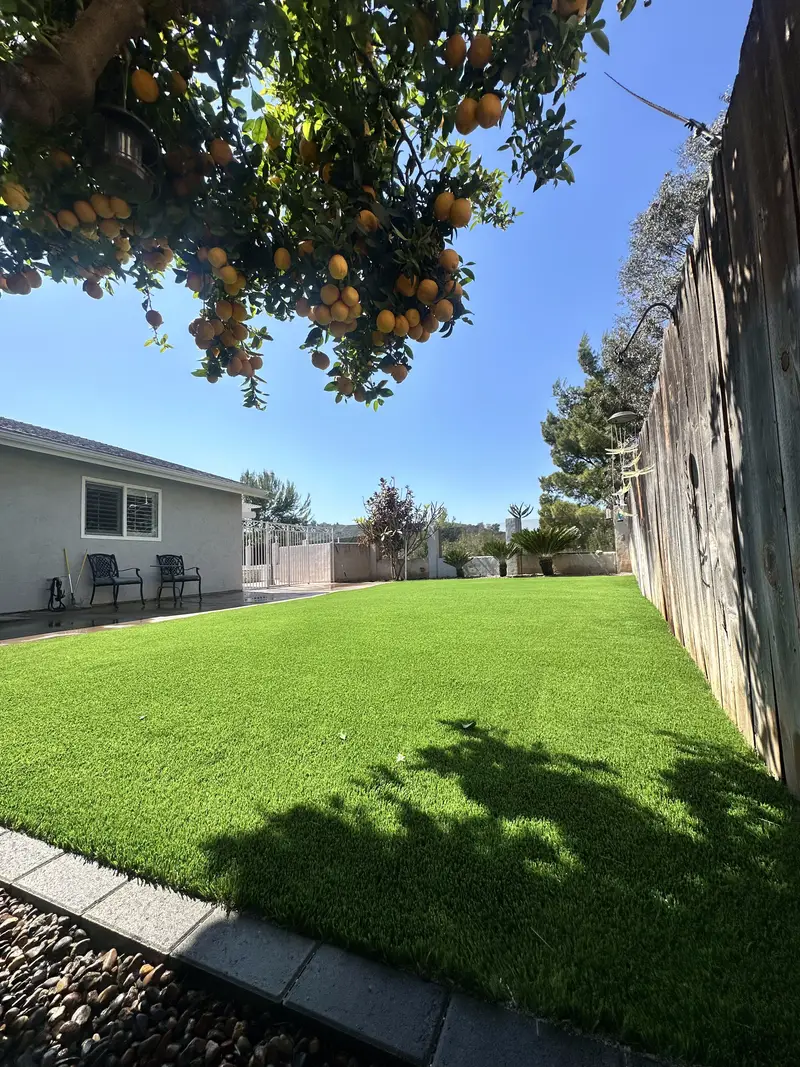
Artificial Grass Installation for Lawns, Pet Areas and HOA Common Areas
Licensed, bonded and insured turf installation across Southern California, planned around drainage, heat and local water rules.
WE DESIGN. WE INSTALL. WE SERVICE.
INSTALLATION SERVICES PROVIDED.
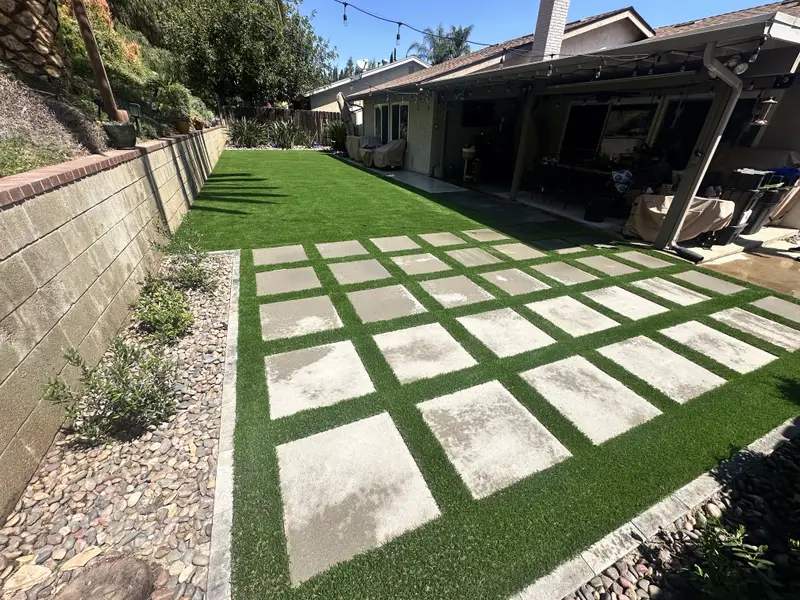
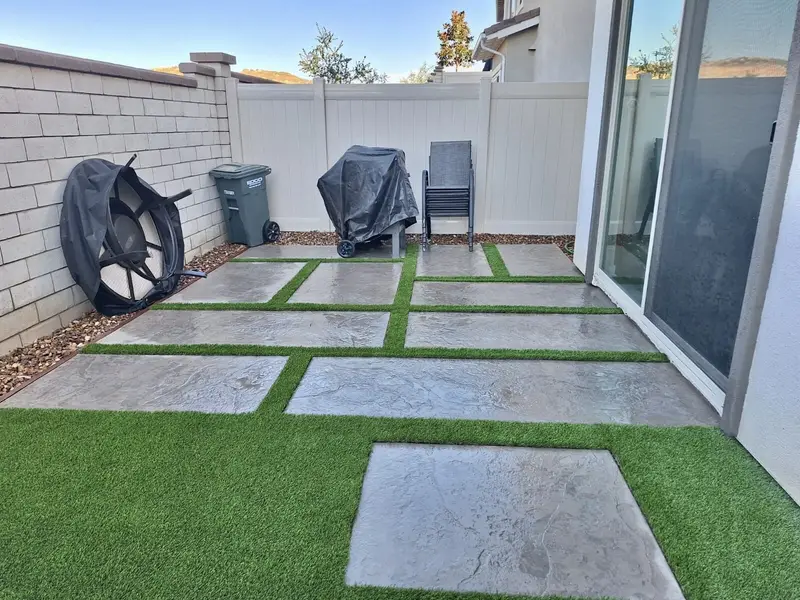
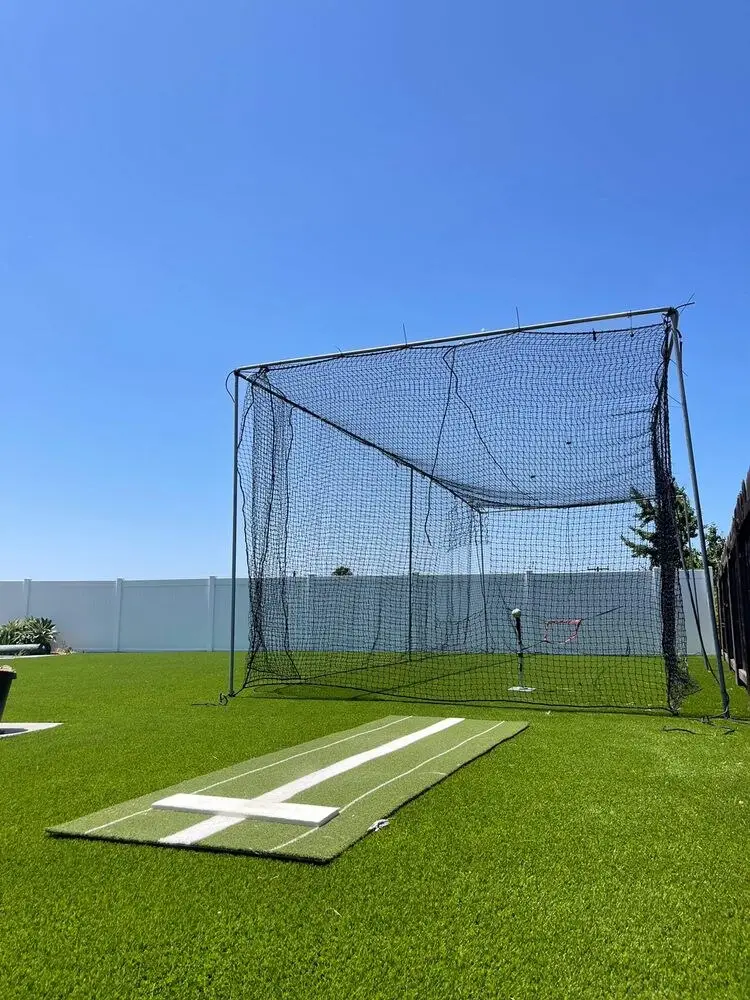
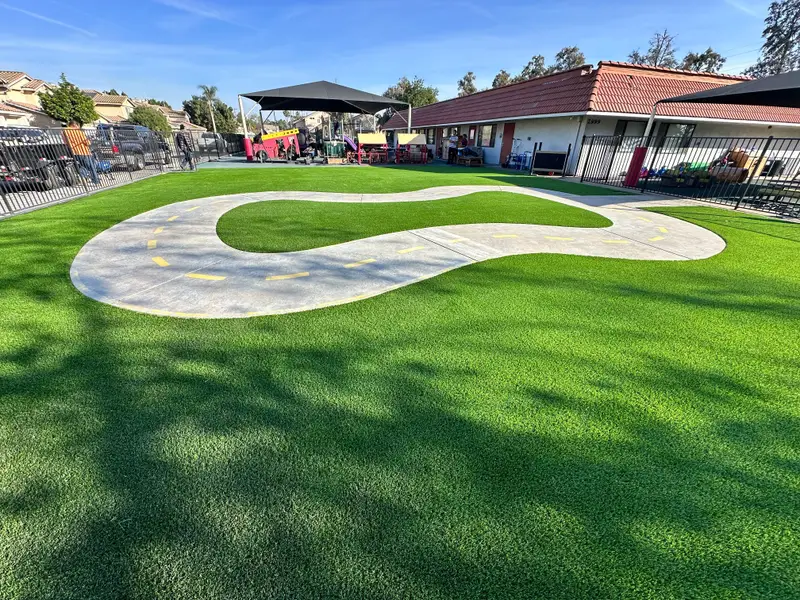
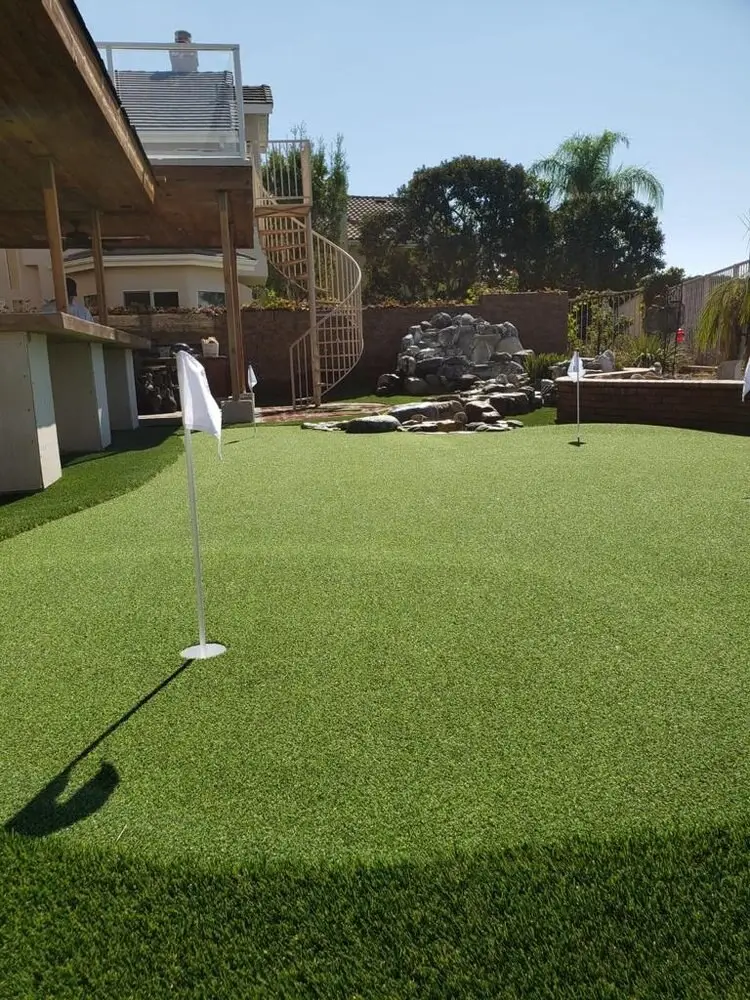
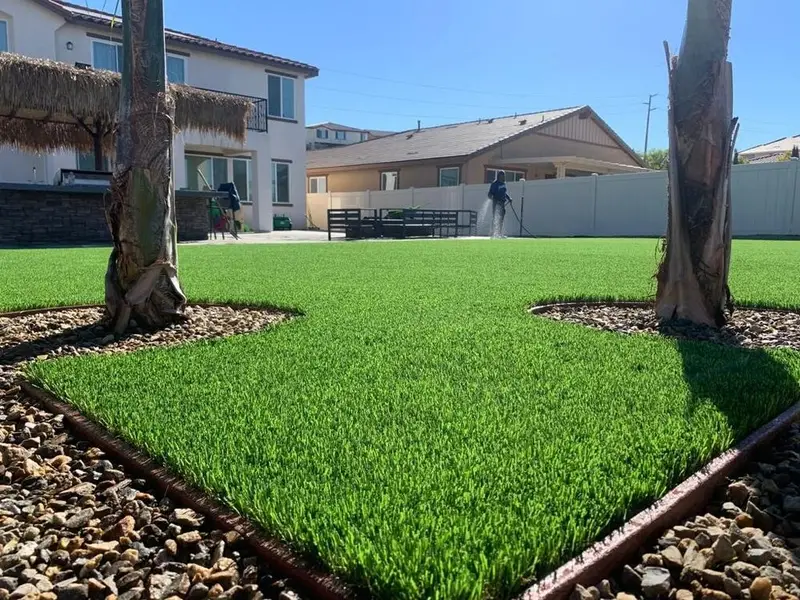
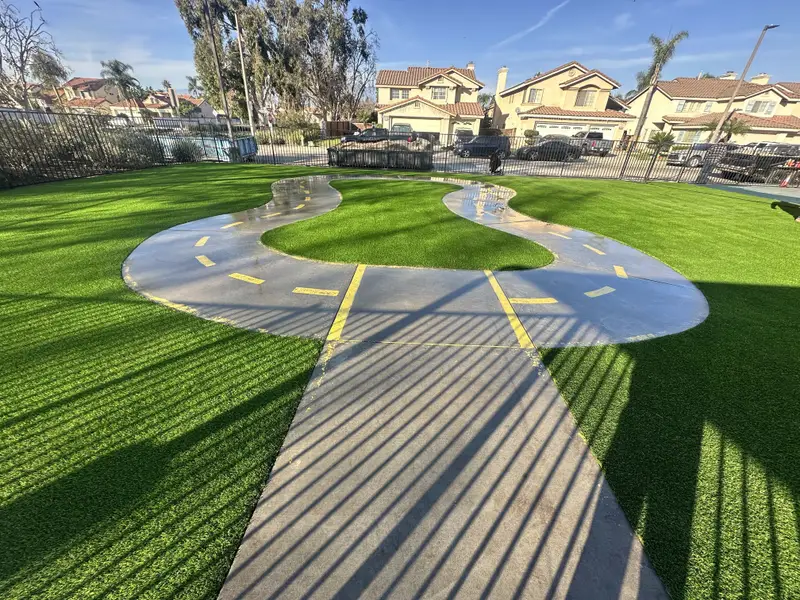
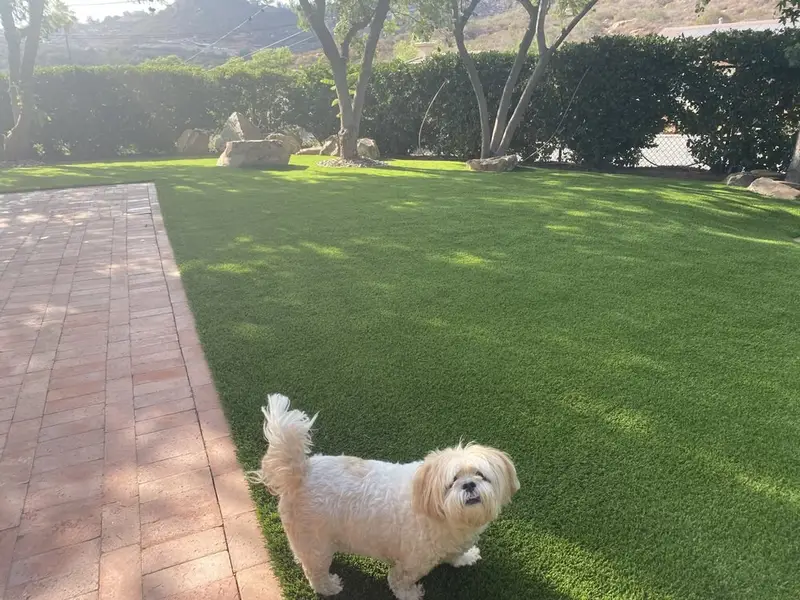
From playgrounds to parking structures — find the right solution for your project.
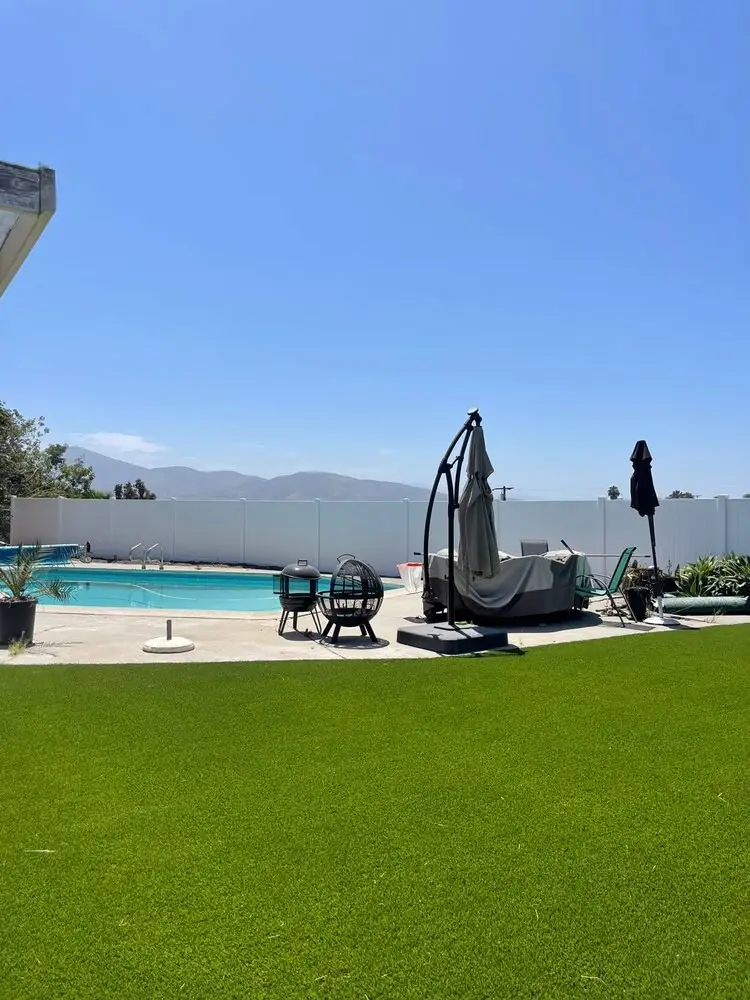
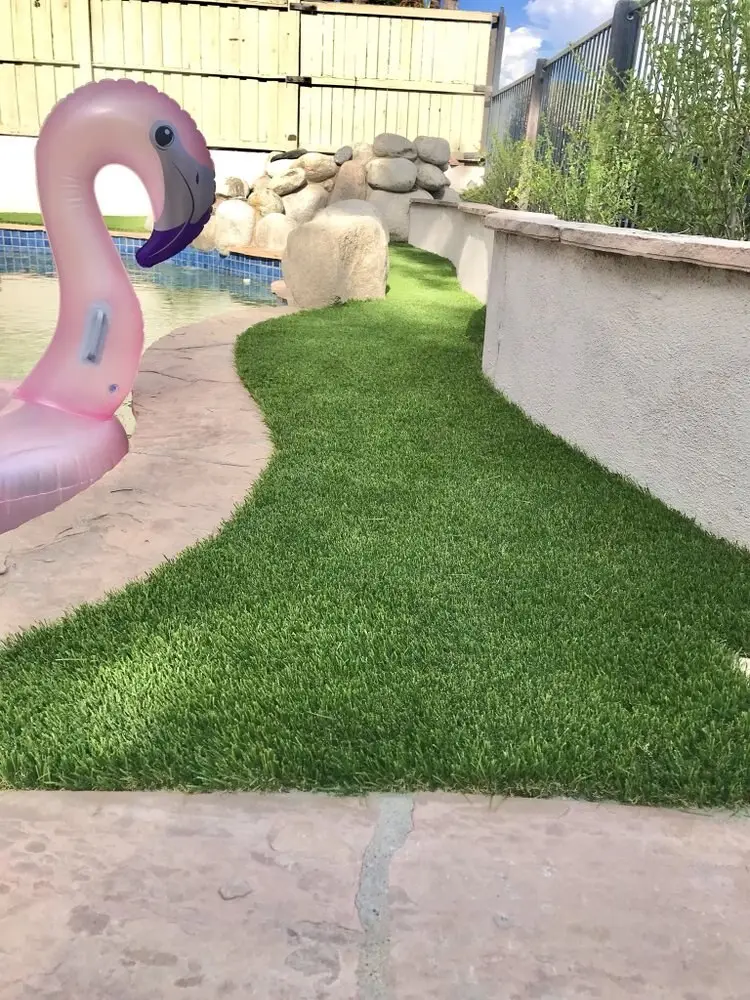
Ready to get started?
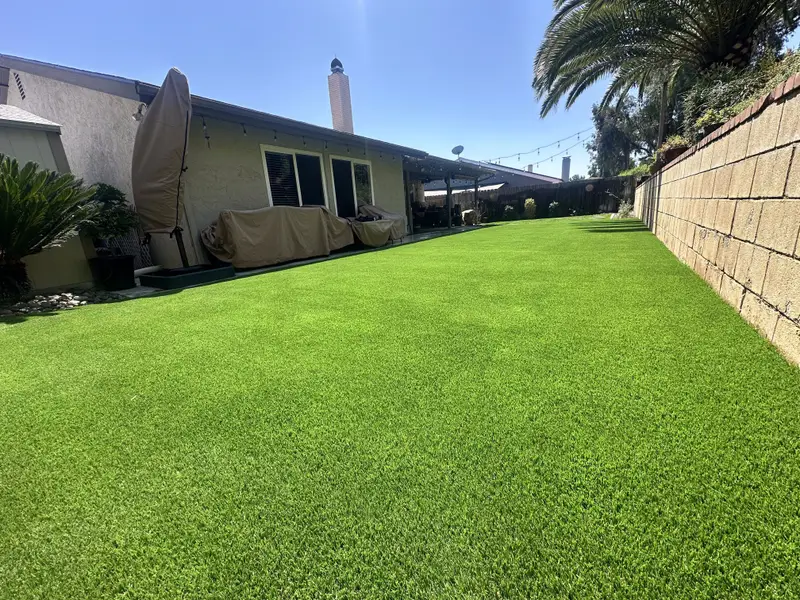
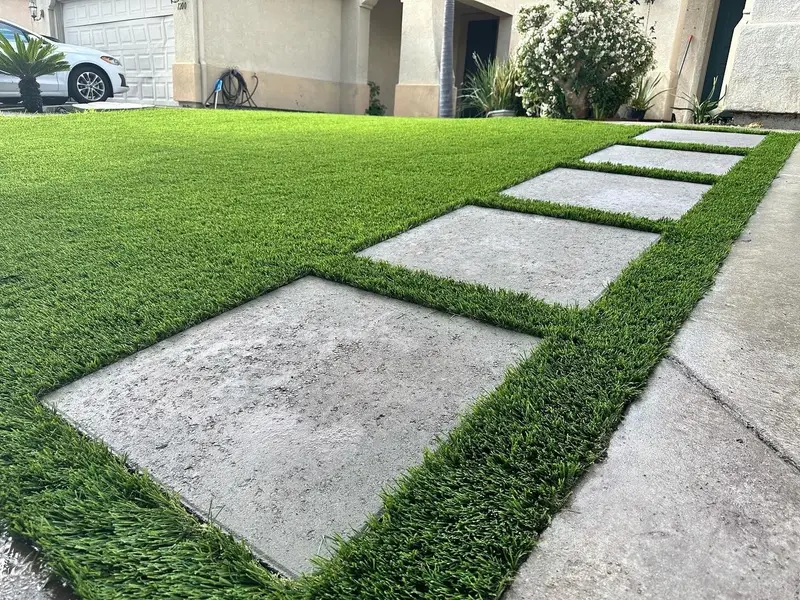
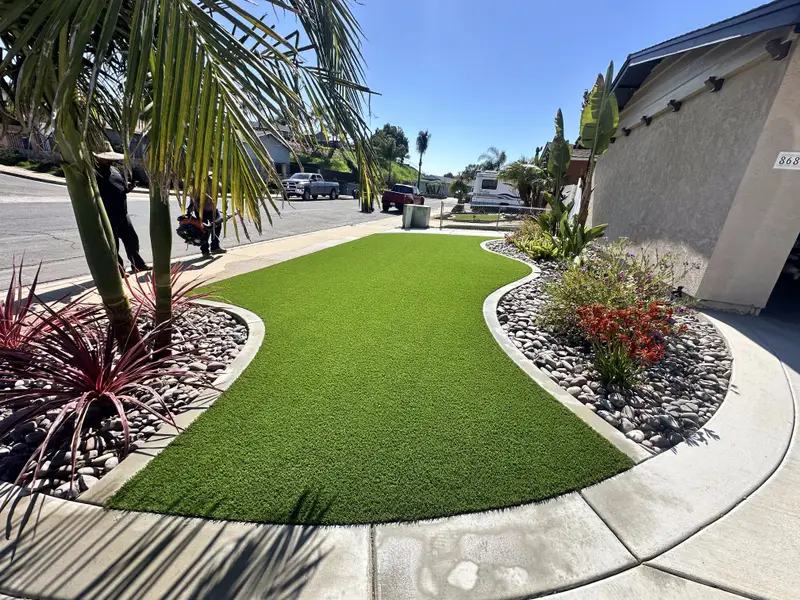
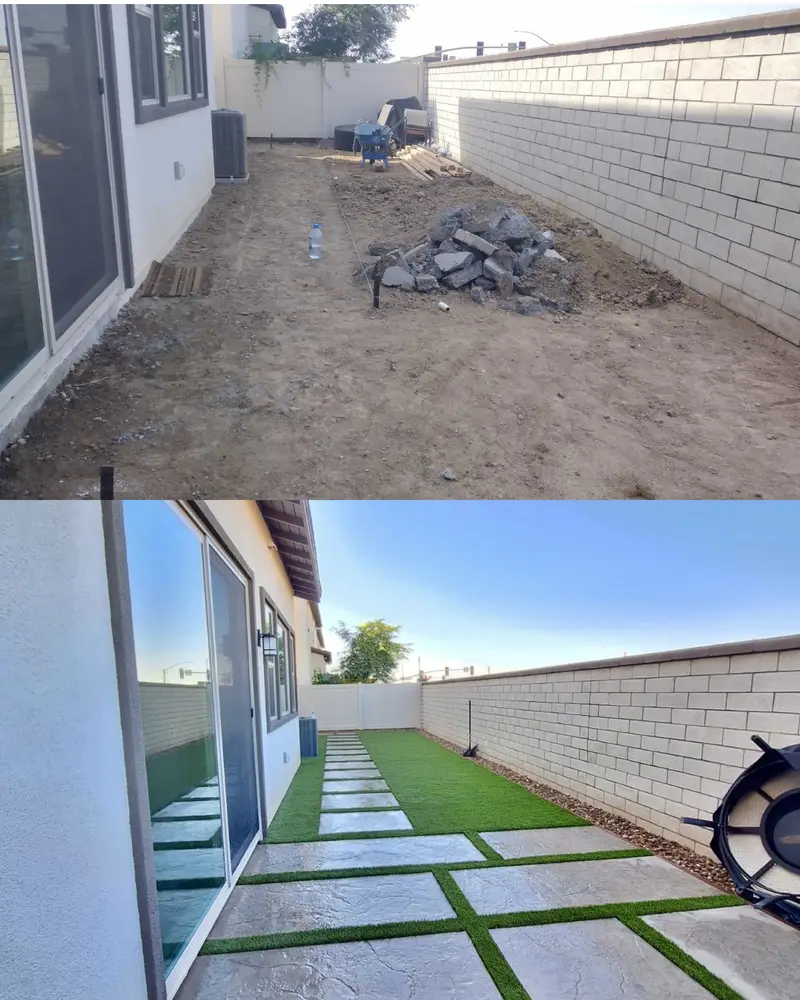
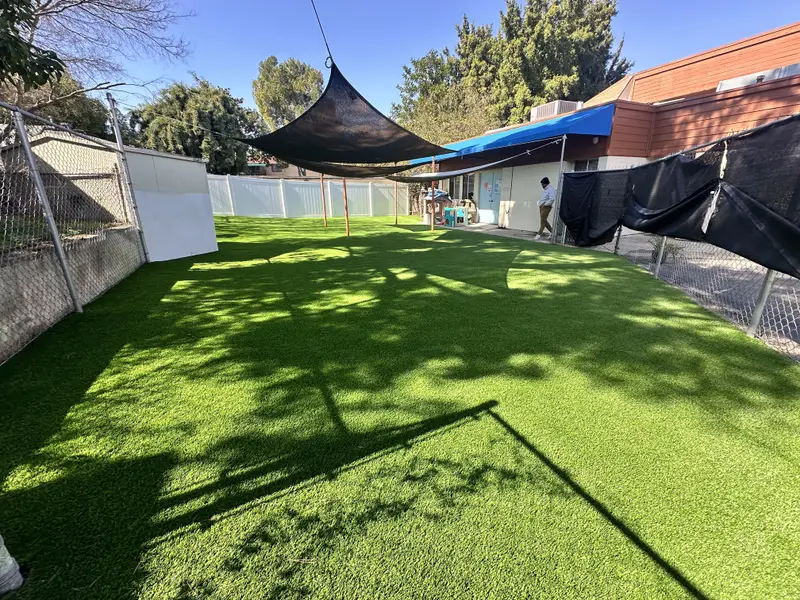
RECENT INSTALLS.
Turbo Surfacing project photos.
Quick answer
Turbo Surfacing installs artificial grass for lawns, pet runs, play areas and HOA common areas across Southern California. A typical planning range is $8 to $18 per square foot, depending on the turf product, base work and access. We are licensed, bonded and insured, and most turf rebates exclude artificial grass.
Key takeaways
- A typical planning range is $8 to $18 per square foot installed.
- SoCalWaterSmart excludes synthetic turf, and rebates pay for replacing lawn with plants.
- AB 1572 ends potable irrigation of decorative HOA common area turf on January 1, 2029.
- A compacted, drained base is the center of a good turf installation.
- We respond within 24 hours, and site walks are available the next day or later.
Artificial grass solves a specific set of problems: a lawn that costs too much to water, a yard where grass will not grow, a play area that turns to mud, or a pet run that smells. It does not solve everything, and it is not the right choice for all sites. This page explains where it fits, how we install it, what it costs and which rules to check first.
Where artificial grass fits and where it does not
Artificial grass works well where the lawn is functional: a play yard, a dog run, a small side yard, a shaded corner where plants struggle, or a common area that gets heavy foot traffic. It is a poor fit for large decorative lawns that no one uses, where a planted landscape may cost less and cool the space.
Many properties use both. Plants go in decorative strips and slopes. Turf goes where people and pets actually walk. We look at each area and tell you plainly which one makes sense, even when the answer is not turf.
Rebates, AB 1572 and HOA rules
The Metropolitan Water District's SoCalWaterSmart turf replacement program states that no synthetic turf is allowed, and most local programs follow it. Rebates pay to replace living lawn with plants. If you plan to apply, wait for written approval from your water provider before you remove anything.
State law adds a clock. AB 1572 ends potable irrigation of nonfunctional turf on January 1, 2028 for commercial, industrial and institutional properties and on January 1, 2029 for HOA common areas. It does not choose the replacement. Boards usually list each lawn area, mark which are functional, and compare plants, recycled water and artificial grass for the rest.
Civil Code section 4735 limits how far HOA governing documents can go in banning artificial turf, though reasonable design standards still apply. Civil Code section 5550 requires a reserve study at least every three years, so turf replacement belongs on the schedule.
Planning around HOA approvals
If you live in a community association, plan the approval process before you order anything. Read your governing documents, ask what the architectural committee needs and find out how often it meets. A typical packet includes the product name and specification, a sample, a site plan or photos with the area marked, and a short description of installation and drainage.
Civil Code section 4735 limits how far governing documents can go in banning artificial turf, but boards can still apply reasonable design standards for appearance, color and installation. We can provide a written scope and product information for your packet. Build the meeting calendar into your schedule, because an approval that takes a month can shift an installation date.
How we install it
Most turf problems come from what is underneath, so preparation is the center of the job.
- Site check. We look at slope, drains, tree roots, irrigation lines and where water leaves the site.
- Removal and grading. Existing lawn and soil are removed to the depth the base needs, and the grade is set so water moves away from buildings.
- Compacted base. A compacted aggregate base gives the turf a stable, draining foundation.
- Turf, seams and edges. Turf is cut and seamed carefully, secured at the edges and finished with infill chosen for the use of the area.
- Cleanup and handover. We leave the site clean and give you care instructions.
Drainage is the part you cannot see
Water has to go somewhere. In sandy soil it may drain straight down through a compacted base. In clay it may sit, and the base needs a plan: a deeper aggregate layer, a slight slope, a drain at the low point or a connection to an existing drainage path. We look at slope, downspouts, nearby hardscape and where water leaves the lot before we recommend a base.
Two problems come up again and again. The first is a turf area that is level or slightly lower than the surrounding hardscape, so water collects at the edge. The second is a base that was compacted unevenly, so low spots form after the first season. Both are avoidable with a proper site check, which is why we ask for photos of the lawn after rain if you have them, and why we measure grades during the site walk.
Seams, edges and transitions
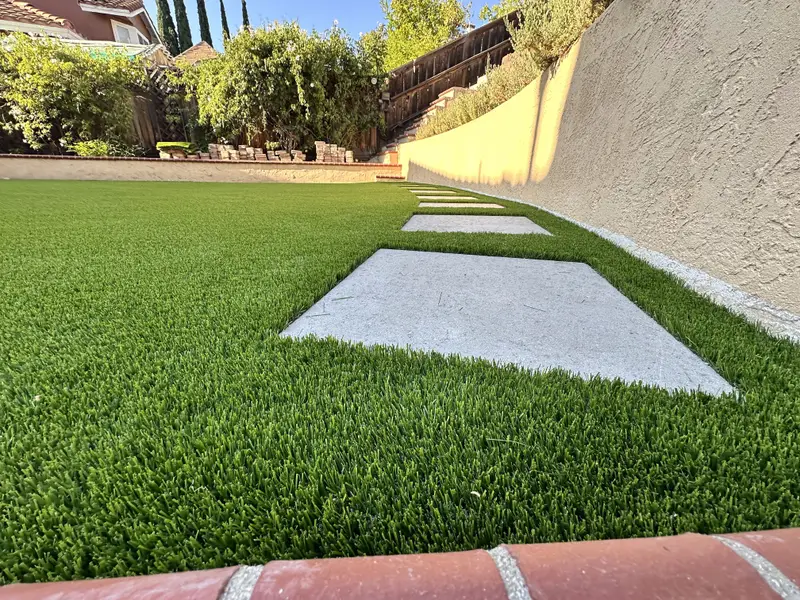
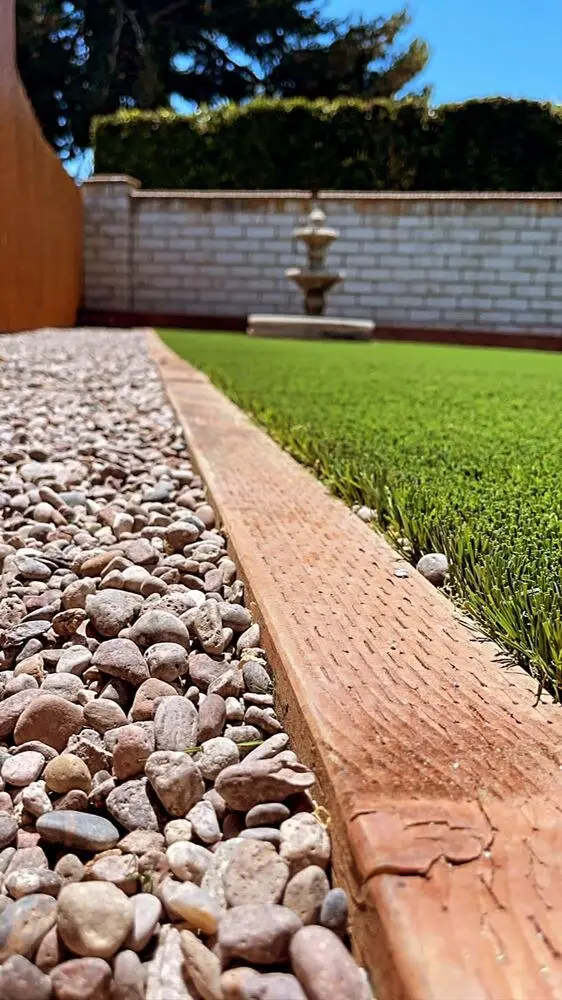
Most of the visible quality in a turf installation is in the details. Seams should be tight and staggered, and they should follow the direction of the pile so they do not catch the eye. Edges should be secured against curbs, headers or borders so turf cannot lift or creep, and the line where turf meets planting beds, walkways and fences should be clean and intentional.
Transitions matter for safety. Where turf meets a step, a walkway or a play structure, the height difference should be small and consistent so no one trips. On slopes, anchoring has to account for water and foot traffic. When you compare bids, ask how seams are made and secured, how edges are finished and what happens at corners and curves.
Choosing turf for how the space is used
Pet runs and dog areas. Drainage and cleaning matter most. We plan the base and infill so urine drains and the area can be rinsed.
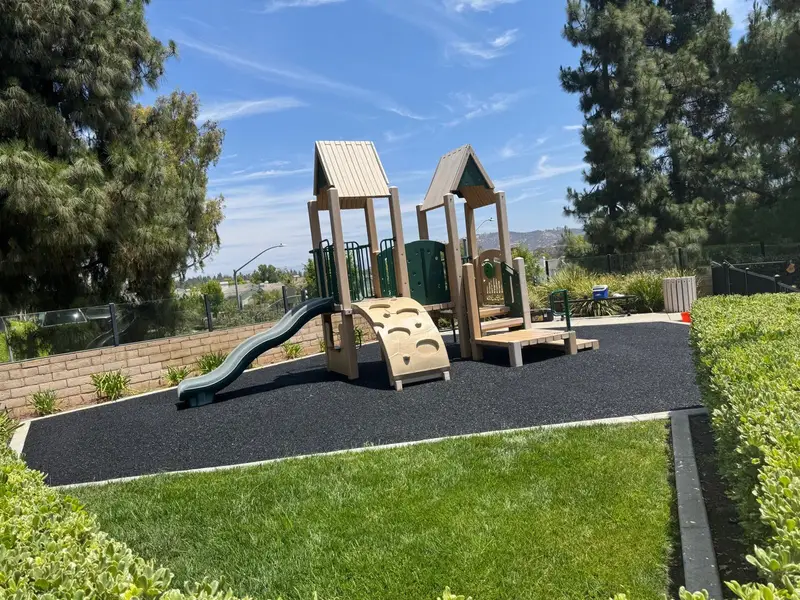
Play areas. Soft landing surfaces are measured by the fall height of equipment, so for tall equipment we may recommend poured in place rubber instead of turf.
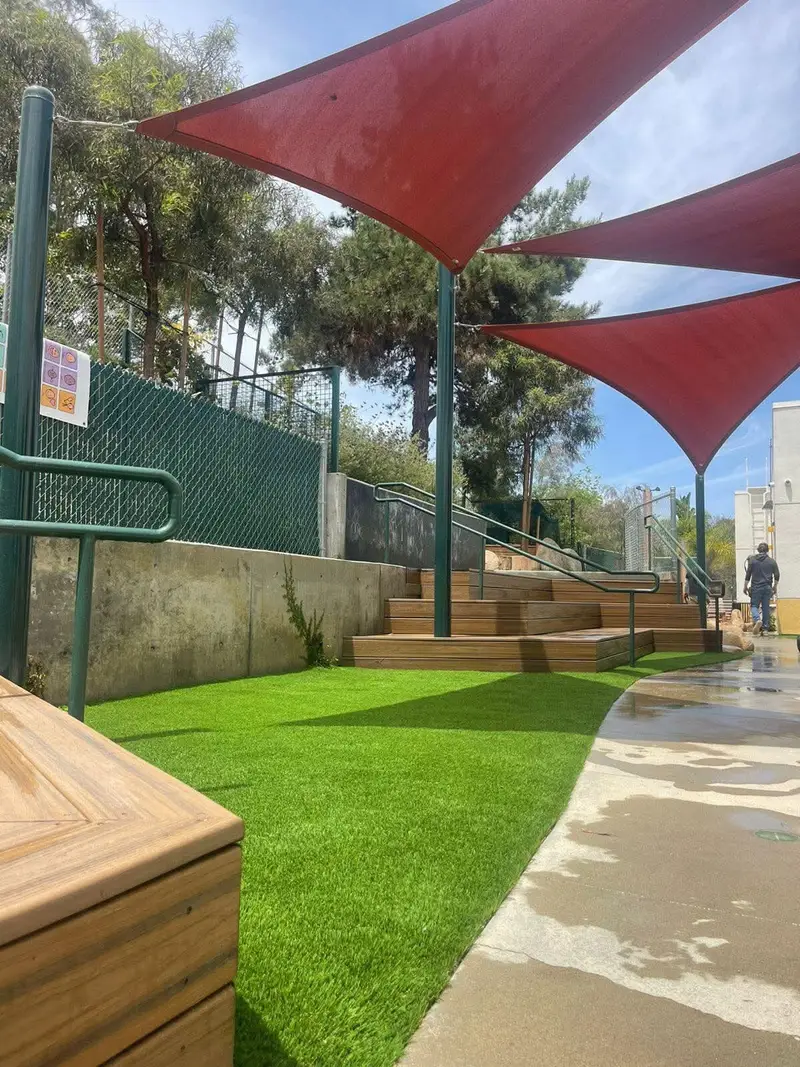
HOA common areas. Walkways, edges and seams take the most wear, and boards need documentation. We provide a written scope and photos for the board packet.
Hot sites. Turf in full sun can run much hotter than a natural lawn. Shade, lighter colors and a rinsing routine help, and we discuss them before you choose.
What to ask about the turf itself
Turf is sold by product line, and the differences are easy to miss in a showroom sample. Ask about pile height, which affects how the surface looks and feels underfoot. Ask about fiber type and shape, because some fibers stand up better under traffic and some feel softer. Ask about the backing and how it drains, since a backing that holds water defeats the base underneath it. Ask about density and weight, which tell you how much material is in each square foot, and ask for the manufacturer's written warranty terms for the exact product named in the bid.
Color matters more than people expect. A single green can look flat across a large lawn, while a blend of shades reads as more natural. Ask to see a full size sample outdoors, in the light the area will actually get, and look at it in both sun and shade. If your HOA requires approval, a sample and a written product name are usually what the board wants to see.
Pet areas in detail
Dog runs and pet relief areas put the most demand on a turf base. Urine has to drain through the turf and the base rather than sit on top, so the backing, the infill and the aggregate all matter. Plan for a spot where the area can be rinsed with a hose, and talk with us about where rinse water will go so it does not run toward a neighbor, a patio or a planting bed.
Infill choices affect odor, temperature and cleaning. Some infills are chosen for pet use and some for play, and the right one depends on how many animals use the space, how large the area is and how hot it gets. We explain the trade offs and note them in the written scope. Pet owners should also expect to remove solid waste promptly and rinse regularly, which keeps the area usable for years.
What artificial grass costs
A typical planning range is $8 to $18 per square foot installed. Where a job lands in that range depends on the turf product, the depth of excavation, drainage work, the number of seams and edges, access for equipment and the size of the area. Small areas cost more per square foot than large ones. The artificial grass cost guide explains each factor, and a site walk turns the range into a written number.
How turf compares with other lawn replacements
Natural lawn costs the least to install but uses the most water and needs regular mowing, edging and feeding. Plants and mulch can cool a space and save water, and they are often the right choice for decorative areas, though they need design, irrigation and care while they establish. Decomposed granite and gravel are low in water use but are not comfortable to walk or play on in all spaces and can migrate. Artificial grass costs more up front than a natural lawn, uses no irrigation and suits areas that are walked on, played on or used by pets. Many properties use two or three of these together. We will tell you where turf makes sense on your property and where something else will serve you better.
Care and expectations
Artificial grass needs less work than a lawn, not none. Debris should be brushed or blown off, pet areas should be rinsed and the surface should be checked at seams and edges. Expected life depends on the product, the sun exposure and how the area is used. Warranty terms vary by product and system and are provided in writing with each estimate, and we explain what maintenance keeps coverage in place.
Next steps
Send photos, rough dimensions and your water provider through the free estimate form. We respond within 24 hours, and site walks are available the next day or later, depending on availability. Local rules and climate differ by county, so see the San Diego County, Orange County, Los Angeles County, Riverside County, San Bernardino County, Ventura County and Imperial County pages.
What to know before you start
Label retained turf offcuts with their roll and product details at handover. A later seam repair is easier to plan when the replacement can be compared with an actual piece rather than a sunlit photograph.
Frequently Asked Questions
Sources
- SoCal WaterSmart turf replacement program rules
- California Civil Code section 5550, reserve studies
- California Civil Code section 4735, artificial turf in common interest developments
Last reviewed:
By Turbo Surfacing Solutions team · Planning updated:
Explore More Artificial Grass
Top applications, cities we install in, pricing, and the latest artificial grass insights — all curated from this hub.
Most-Requested Installs
- Artificial Grass InstallationProfessional Installation
- Turf Installation ProcessOur Process
- Artificial Grass MaintenanceMaintenance Guide
- Commercial Artificial GrassCommercial Solutions
EVERYTHING ARTIFICIAL GRASS — IN ONE MAP.
Every page we've built around artificial grass — applications, cities we serve, pricing, related services, and resources. One topic, fully mapped.
Applications
Surface types & install scenarios
- Artificial Grass Installation
- Turf Installation Process
- Artificial Grass Maintenance
- Commercial Artificial Grass
- Residential Artificial Grass
- Artificial Grass for Churches
- Artificial Grass for Government
- Commercial Landscaping Turf
- Artificial Grass Croquet Courts
- Artificial Grass for Dog Runs & Dog Parks
Cities We Serve
Local landing pages
- Artificial Grass in Chula Vista
- Artificial Grass in San Diego
- Artificial Grass in Oceanside
- Artificial Grass in Escondido
Pricing & Tools
Real numbers, instant estimates
Related & Resources
Nearby services & company info
Ready to Get Started with Artificial Grass Installer San Diego?
Get a free, no-obligation estimate for your project. Our team responds within 24 hours.
Get Artificial Grass Quote