- Licensed CA Contractor·
- ADA Compliant Installs·
- Serving All of Southern California·
- Free Estimates·
- Licensed, Bonded & Insured
Urethane Cement Flooring for Kitchens, Breweries and Washdown Areas
A thick, tough floor system for hot water, steam, grease and heavy traffic, installed with careful slab preparation.
Quick answer
Urethane cement is a thick, cement based resin floor that tolerates hot water, thermal shock, grease and heavy wheeled traffic better than most epoxies. Turbo Surfacing installs it in kitchens, breweries, dairies and washdown rooms, with slab preparation, coving and drains planned first. We are licensed, bonded and insured.
Key takeaways
- Urethane cement tolerates hot water and thermal shock.
- It suits kitchens, breweries, dairies and washdown rooms.
- Slab prep and drain details decide success.
- Epoxy is often enough for dry rooms.
Some floors take punishment other coatings cannot. Hot water hits them, steam rises off them, and carts, pallets and chemicals cross them every shift.
Urethane cement was developed for those rooms. This page explains what it is, where it makes sense, where it does not and how we install it.
What urethane cement is
Urethane cement blends urethane resin with cement and aggregate to make a thick, dense mortar that is troweled or screeded onto the slab. It cures into a hard, seamless floor that behaves more like concrete than paint.
Because the cement is part of the mix, the material expands and contracts at a rate close to the slab beneath it. That is the main reason it handles heat swings so well, and why it is a common choice for rooms that see hot washdowns followed by cold rinses.
Hot water, steam and thermal shock
Standard epoxy can crack or lift when hot water hits it, especially over a cold slab. Urethane cement tolerates repeated temperature swings, which makes it the usual pick for kitchens, dish rooms, dairies and breweries.
We ask how hot the water gets, how often washdowns happen and whether steam is used. Those answers set the thickness. Heavier duty rooms receive a thicker build than a general prep kitchen.
Food and beverage production areas
Food and drink plants need floors that clean fully, drain quickly and resist acids from sugar, fruit, dairy and brine. Urethane cement stands up to many of these exposures and can be finished with a slip resistant texture.
We pay close attention to slope, drains, wall bases and equipment pads, because standing water and gaps are where sanitation problems start. Samples let your team judge grip and cleanability before the full floor goes in.
Chemicals, grease and cleaning products
Fats, oils, caustic cleaners and acids all attack floors. Urethane cement resists many of them, but no floor resists everything. We review your cleaning products and process chemicals before choosing a system.
If a room sees a strong acid or solvent regularly, we may suggest a different resin or a protective topcoat in that zone. Matching the floor to the exposure is more reliable than assuming one product fits every room.
Texture, color and finish options
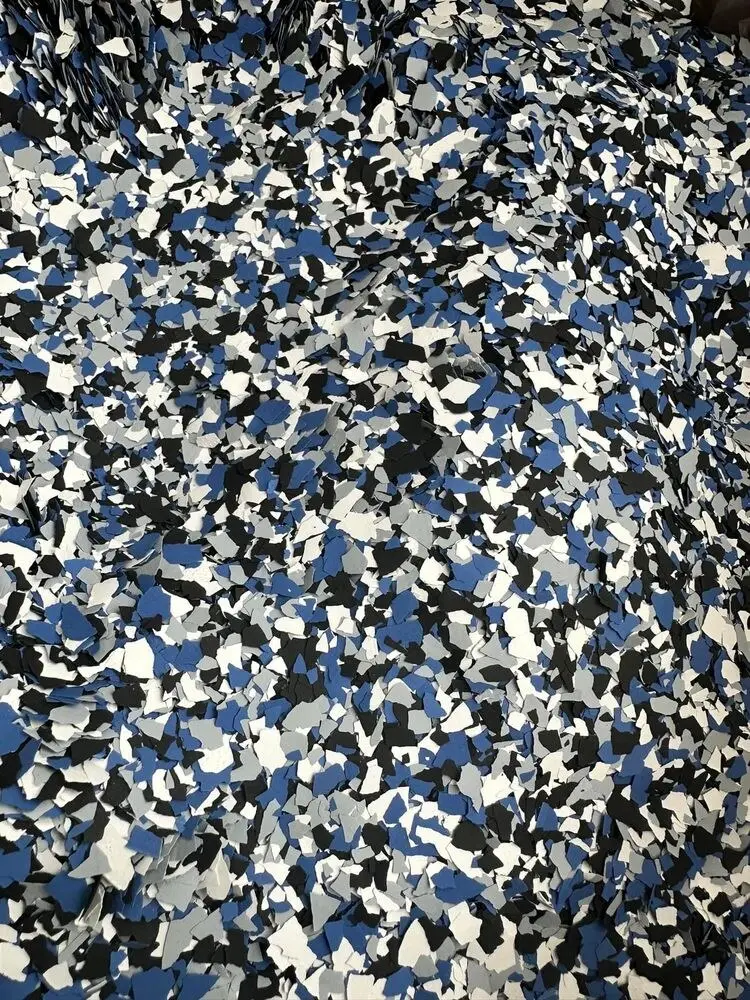
Urethane cement can be finished smooth, lightly textured or heavily broadcast with aggregate. Smooth surfaces clean fastest. Heavier textures give more grip in greasy or wet areas.
Colors tend to be earthy and practical, such as reds, grays and tans, and they hide stains well. We build sample boards so you can compare texture and color under your lighting and decide how much grip you want against how easy cleaning must be.
Slab preparation and moisture
Even a tough floor needs a sound base. We shot blast or grind the slab to open the pores, repair cracks and spalls and test moisture before installation. Because urethane cement is more tolerant of damp concrete than many epoxies, it is often chosen when moisture is a concern.
Oil soaked or contaminated slabs still need treatment. We test small areas, degrease and adjust the plan if contamination goes deep. Good preparation protects your investment more than any product choice.
How the installation works
Installation is a multi step process. We prepare the slab, cut edges where the floor will terminate, prime if needed and mix the material in batches. The mortar is placed, leveled and troweled to the planned thickness, then textured or broadcast.
Cure times are short compared with many systems, so rooms can often return to service quickly. We give you a written schedule that shows when you can walk on the floor, roll carts and resume washdowns.
Coves, drains and details
Details decide whether a floor stays sanitary. We build cove bases up the wall, seal around drains, trench drains and equipment legs and slope the surface toward the drain so water does not pond.
Doorways, expansion joints and transitions to other floors are handled with care. A clean transition prevents chipping and keeps water from creeping under the edge.
Urethane cement compared with epoxy
Epoxy suits dry or lightly wet areas where a thin, glossy, colorful floor is wanted. It costs less and looks clean in garages, shops and retail spaces. Urethane cement suits rooms with heat, steam and heavy washdowns where epoxy may fail early.
If your room has neither of those conditions, epoxy or polyaspartic may be the better value. We explain the trade offs honestly instead of selling the heaviest system by default.
Where we use it most
Typical locations include restaurant kitchens, commissary kitchens, breweries and wineries, dairies, bakeries, meat and seafood rooms, loading docks, cooler and freezer entries and wash bays. It also suits some industrial areas with hot process fluids.
If your room is not on that list but has a heat or washdown problem, ask us. We evaluate it on its conditions.
Care and long term performance
Urethane cement is easy to maintain. Sweep or squeegee daily, scrub with a suitable cleaner and avoid dragging sharp metal across the surface. Rinse thoroughly after using strong chemicals.
Drains should be cleaned regularly, and joints should be inspected for movement. Small chips can be repaired with matching material before they spread, and we keep a record of your color and texture.
Coolers, freezers and cold rooms
Walk in coolers and freezers see ice, condensation and constant temperature change. Urethane cement stays tough at low temperatures and handles the thermal cycling that cracks thinner coatings. Entries to cold rooms take extra punishment from pallet jacks and wet wheels, so we often thicken the build there and add a rough texture for grip.
We ask how cold the room runs, how often doors open and how the slab is insulated. Those details change the primer and the cure plan, and they help us avoid trapping moisture under the floor.
Planning the shutdown
Food and beverage producers lose money every hour a line sits idle, so schedules matter. We split large rooms into zones, install in sequence and give each zone a specific return to service time. Fast curing helps, but the real savings come from preparing everything in advance, including drains, wall repairs and equipment moves.
Weekend and overnight work are common. Our crews bring their own power, lighting and dust collection, and we coordinate with your sanitation team so the room is clean before each turnover.
Samples and mockups
Before a full room is poured, we can lay a small test panel so your team can check texture, color and cleaning behavior with real products.
Getting an estimate
Our epoxy floor cost guide explains what moves the price. Send photos and rough dimensions through the free estimate form and we respond within 24 hours. Site walks are available the next day or later, depending on availability, and you receive a written scope after the visit.
What to know before you start
Show the installer the cleaning equipment and chemical labels used in the room. Review that combination with the specified urethane-cement system rather than choosing from a generic food-service description.
Frequently Asked Questions
Sources
Last reviewed:
By Turbo Surfacing Solutions team · Planning updated:
KEEP EXPLORING.
Other Southern California surfacing projects we specialize in — handpicked because they share the same materials, standards, or installation crew as this page.
Related Epoxy & Concrete Polishing & Resources
Sibling services, cities where we install this, and blog posts that go deeper.
Get a Quote for Urethane Cement Flooring
Get a free, no-obligation estimate for your project. Our team responds within 24 hours.
Get Urethane Cement Quote