- Licensed CA Contractor·
- ADA Compliant Installs·
- Serving All of Southern California·
- Free Estimates·
- Licensed, Bonded & Insured
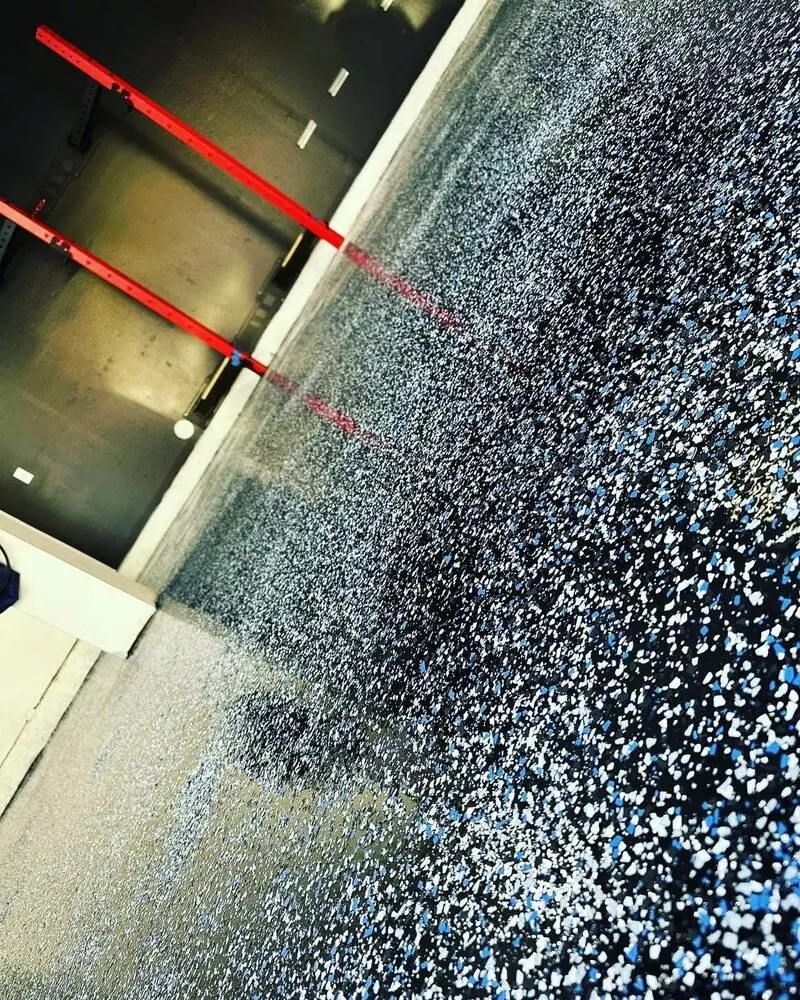
Acrylic Flooring Coatings for Patios, Pool Decks, Courts and Light Duty Floors
Color, sheen and surface protection for concrete in lighter duty settings, applied by a licensed contractor.
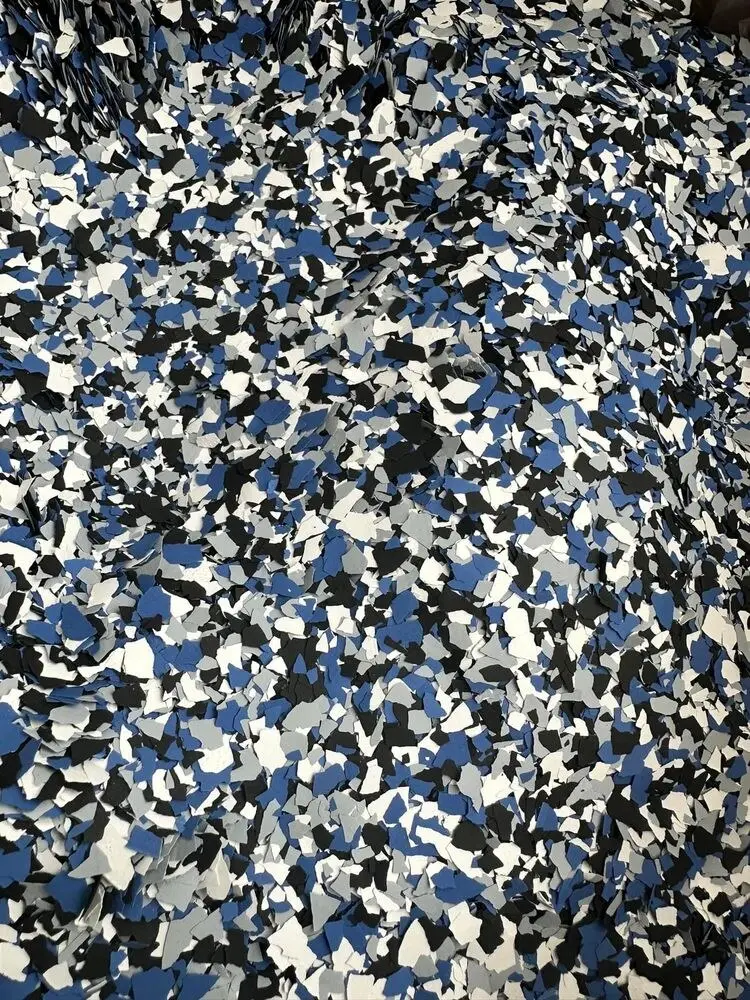
Quick answer
Acrylic coatings and sealers add color, sheen and surface protection to concrete in patios, pool decks, courts, walkways and light duty interior floors. They go on quickly and are easy to refresh, but they wear faster than epoxy. Turbo Surfacing helps you choose the right product. We are licensed, bonded and insured.
Key takeaways
- Acrylic suits patios, decks, courts and light interiors.
- It wears faster than epoxy or polyaspartic.
- Prep and texture decide results.
- Re coating is simple and fast.
Not every concrete floor needs a heavy industrial system. For patios, walkways, pool decks and many light duty rooms, an acrylic coating can bring color, shine and protection with less cost and less downtime.
This page explains what acrylic coatings do well, where they fall short and how they are applied.
What acrylic flooring is
Acrylic flooring usually means an acrylic resin coating or sealer applied to concrete. Water based and solvent based versions exist. Some are clear sealers that enhance the natural look. Others are pigmented coatings that add solid color. Some are used as part of court and deck surfacing systems.
Acrylics form a thinner film than epoxy or urethane, so they are best matched to lighter use and areas where easy re coating is a benefit.
Where acrylic coatings work well
Good fits include patios, walkways, pool decks, courtyards, tennis and pickleball courts, playground bases, garage floors with light use and interior floors in offices, classrooms or retail. They also protect stamped and stained concrete.
Anywhere you want a refreshed look without a thick build, acrylic is worth a look. It is quick to apply and easy to maintain.
Where acrylic falls short
Acrylic does not resist hot tires, harsh chemicals or heavy impact like epoxy, urethane cement or polyaspartic. In a busy shop, warehouse or garage with hot cars, it may peel or scuff early.
We tell customers directly when a heavier system is a better value. Choosing the wrong product wastes money, no matter how low the first price looks.
Sun, heat and Southern California conditions
Strong sun challenges any coating. Acrylics with good ultraviolet resistance hold color better than many epoxies outdoors, which is one reason they are common on exposed decks and courts.
Light colors reflect heat and stay more comfortable underfoot. We recommend lighter tones around pools and patios where bare feet are common.
Traction and slip resistance
A glossy coating can be slippery when wet. We add fine aggregate or choose a textured topcoat to give grip while keeping the surface comfortable for feet and easy to clean.
Around pools and on ramps, we test texture on a small area first. You can feel the result before committing to the full space.
Surface preparation
Acrylic needs a clean, sound surface. We remove dirt, oil, old sealer and loose material by cleaning, grinding or light blasting. Cracks are filled and patched so they do not show through.
Concrete must be dry enough for the product we use. Moisture tests help us avoid bubbling and early failure. Preparation is what makes even a simple coating last.
How the coating is applied
We apply acrylic with sprayers, rollers or squeegees depending on the product. Most systems use one or two coats, sometimes with a primer. Weather matters, so we avoid rain, heavy wind and extreme heat during application.
Drying times are short, so most areas can be walked on the same visit or soon after. We give you written guidance on when furniture, vehicles and full use can return.
Color, sheen and decorative options
Acrylic comes in a range of colors, from neutral grays and tans to bold tones. Sheen ranges from matte to high gloss. Stencils, borders and decorative patterns can be added to patios and entries.
We bring samples to the site so you can see color in your lighting. Small sample patches avoid surprises on large surfaces.
Acrylic compared with epoxy and polyaspartic
Epoxy and polyaspartic build a thicker, harder film that resists chemicals and heavy use. Acrylic builds a thinner film that is easier to apply and re coat.
For a patio or pool deck, acrylic often makes sense. For a working garage or shop, a harder system is usually a better investment. We help you compare based on use, not on sales pressure.
Care and recoating
Sweep or hose acrylic surfaces regularly and use mild cleaners. Avoid harsh solvents and pressure that can lift the film. Re coating every few years, depending on traffic and sun, keeps the surface fresh.
Because acrylics bond to themselves, re coating is usually simple. We clean, scuff and apply a new coat, which costs far less than replacing a failed heavy system.
Courts, play areas and recreation surfaces
Acrylic is a staple of court surfacing. Tennis, pickleball, basketball and multipurpose courts commonly use layers of acrylic resurfacer, color coat and line paint over asphalt or concrete. The surface gives consistent ball bounce, controlled traction and bright colors that stand up to sun.
We prepare the court, fill low spots, patch cracks and apply the layers in sequence. Court lines are laid out to the sport and checked before paint goes on. Because the system is built in layers, worn courts can be refreshed with a new color coat instead of rebuilt.
Pool decks and wet areas
Pool decks bring bare feet, chlorine, splashing and strong sun. A light colored acrylic with a fine texture keeps the surface cooler and more comfortable, and it resists algae and stains better than bare concrete. We choose products intended for wet areas and test traction before committing.
Edges, coping and expansion joints are detailed so water does not lift the coating. We schedule work when the pool can be closed to foot traffic for the cure period.
Light duty garages and storage areas
A garage that rarely sees hot tires or chemicals can do well with an acrylic coating. It resists dust, brightens the room and is simple to clean. Parked cars and storage boxes are no problem.
If you park a car with hot tires daily, spill oil or use the floor as a shop, we point you toward epoxy or polyaspartic instead. A coating that peels under hot tires costs more than choosing the right one at the start.
Sealing stained and stamped concrete
Acrylic sealers are the standard way to protect stained, dyed and stamped concrete. They deepen color, repel stains and make cleaning easy. Gloss levels range from a barely there satin to a wet look.
Outdoors, we pick sealers that resist ultraviolet light and allow some vapor movement. Indoors, a harder topcoat may be added over the acrylic where traffic is heavy.
Timing and weather
Outdoor acrylic work depends on weather. We watch forecasts for rain, wind and heat, because moisture or hot surfaces can cloud or blister the film. Early morning and late afternoon start times are common in summer, and we tell you when the surface will be ready to use again.
Getting an estimate
Our epoxy floor cost guide explains what moves the price. Send photos and rough dimensions through the free estimate form and we respond within 24 hours. Site walks are available the next day or later, depending on availability, and you receive a written scope after the visit.
What to know before you start
Identify where temporary tape or event markings would be applied to the acrylic finish. Obtain product-specific removal advice before accepting those materials as part of normal use.
Frequently Asked Questions
Sources
Last reviewed:
By Turbo Surfacing Solutions team · Planning updated:
KEEP EXPLORING.
Other Southern California surfacing projects we specialize in — handpicked because they share the same materials, standards, or installation crew as this page.
Related Epoxy & Concrete Polishing & Resources
Sibling services, cities where we install this, and blog posts that go deeper.
Get a Quote for Acrylic Flooring
Get a free, no-obligation estimate for your project. Our team responds within 24 hours.
Get Acrylic Quote