- Licensed CA Contractor·
- ADA Compliant Installs·
- Serving All of Southern California·
- Free Estimates·
- Licensed, Bonded & Insured
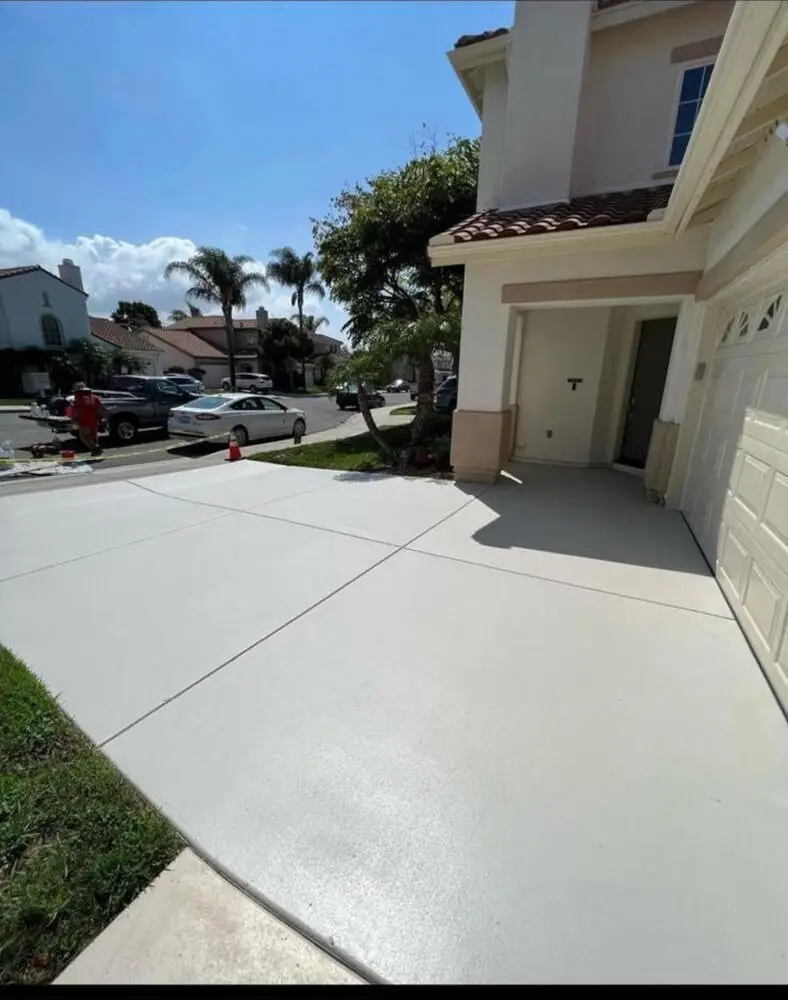
Concrete Overlays for Worn, Stained or Dated Slabs
A thin, adhered surface that renews old concrete with new color, texture and pattern.
Quick answer
A concrete overlay is a thin, cement based layer applied to an existing slab to cover wear, stains and dated finishes. It can be smooth, textured or stamped and can be stained or dyed. Turbo Surfacing prepares the slab, applies the overlay and seals it. We are licensed, bonded and insured.
Key takeaways
- Overlays renew sound slabs without replacement.
- They cannot fix structural problems.
- Bond depends on preparation.
- Sealer renewal keeps the surface fresh.
Tearing out a concrete slab is expensive, noisy and messy. If the slab underneath is sound, an overlay can give you a new surface for a fraction of the effort.
This page explains how overlays work, what they can and cannot fix and how we install them.
What a concrete overlay is
An overlay is a polymer modified cement mix applied in a thin layer, usually less than half an inch thick. It adheres to the existing concrete and creates a new surface that can be colored, textured or stamped.
Overlays are not structural. They renew the surface, not the slab. If the slab beneath is failing, the overlay will not fix it.
Types of overlays
Microtoppings are very thin, smooth coatings used on interiors for a polished or troweled look. Spray textured overlays create a skid resistant surface for patios and pool decks. Stamped overlays imitate stone, brick or tile. Self leveling overlays smooth uneven floors.
The right type depends on the slab, the look you want and how the area is used.
What overlays can fix
Overlays hide surface wear, stains, minor pitting, old paint remnants and dated color. They can restore a tired patio, entry or interior floor without replacement.
They can also unify a slab that has been patched or repaired several times, giving it a consistent look.
What overlays cannot fix
Overlays do not solve structural problems. Settlement, heaving, active cracks and drainage issues must be addressed first. Hairline cracks may telegraph through, and moving cracks will crack the overlay.
We inspect your slab and tell you plainly whether an overlay is a good idea. Sometimes repair or replacement is the better answer.
Preparation and adhesion
Adhesion is everything. We clean, grind or shot blast the slab to create a profile, repair cracks and holes and apply a primer or bonding coat. Oil, sealers and loose material must be removed.
Moisture tests prevent blistering and delamination. A well prepared slab leads to a long lasting hold.
How we apply an overlay
We mix the material in batches, apply it with trowels, squeegees or sprayers and finish the surface to the chosen texture. Timing matters, because most overlays set quickly.
Multiple thin layers may be used for depth and pattern. Work is planned so seams and stops fall in logical places.
Stamped and decorative finishes
Stamping presses patterns into the wet overlay to resemble flagstone, slate, brick or wood. Color is added with integral pigments, stains or dyes. Borders and accents add detail.
Good stamping takes skill and timing. We show sample patterns and colors so you can pick a look that suits your home or business.
Joints and cracks
Control joints in the slab should be carried through the overlay to avoid random cracking. We cut or form joints at matching locations and seal them with flexible sealant.
Existing cracks are repaired, but they may still show over time. We explain expectations up front.
Sealing the overlay
Sealer protects color, resists stains and makes cleaning easier. Outdoor overlays need ultraviolet stable sealers with texture for traction. Indoor overlays may use harder urethane sealers.
Sealers wear first, so renewal every few years keeps the surface fresh.
Overlay compared with resurfacing and replacement
Resurfacing products are often similar to overlays but may be thicker or sprayed. Replacement removes and pours new concrete, which costs more and takes longer. Overlays sit between painting and replacement.
If the slab is sound, an overlay is often the most economical way to change the look.
Care and maintenance
Sweep regularly and clean with mild soap. Avoid heavy scraping and harsh chemicals. Re seal as needed, and repair chips promptly.
With good care, overlays stay attractive for many years, and refreshing the sealer is far simpler than redoing the surface.
Interior overlays and microtoppings
Inside the home or a shop, microtoppings turn a dull slab into a smooth, modern surface that looks like troweled plaster or polished stone. Layers can be as thin as a skim coat and can be pigmented, sanded and sealed.
Interior overlays cover old tile glue, shallow pitting and patchwork. They need a stable, dry slab and a good sealer, and we match the sheen to the room, from soft matte in a living area to a brighter finish in a retail space.
Patios, driveways and pool decks
Outdoor overlays face sun, rain, foot traffic and sometimes vehicles. Spray textured and stamped overlays give traction and a finished look to patios, walkways, entries and pool decks. Driveways can receive heavier duty versions designed for tire traffic.
We pay attention to slope and drainage, because standing water speeds up wear. Expansion joints are carried through, and edges are detailed so the overlay stays tight at steps and borders.
Leveling and smoothing uneven slabs
Some overlays are designed to flow and level. They fill low spots, smooth ramps and prepare a floor for a coating or finished flooring. They are not magic, so we measure the slab first and explain how much correction is realistic.
Large height changes may need a different approach, such as grinding high spots or using a thicker leveling compound. Our goal is a floor that is flat enough for its use.
Color, pattern and design
Color can be added with integral pigments, stains, dyes or powders. Patterns include stamps, stencils, saw cut lines and hand troweled finishes. Borders and inlays add detail to entries and patios.
We build sample boards on site so you can compare color in your actual light. Small samples help avoid disappointment, because color looks different wet, dry and sealed.
Timing, cure and return to use
Most overlays can be walked on within a day, though full cure takes longer. Heavy furniture and vehicles wait until the surface is hard enough, and sealers need additional time before regular use. We give you a written schedule with each milestone, so you know when each step is finished.
Weather matters for outdoor work. Rain, wind and extreme heat can affect set time and finish, so we plan around forecasts and protect fresh work.
Repairing damaged overlays
Chips, scrapes and worn spots can be repaired by cleaning the area, feathering the edges and applying new material, then blending texture and color. Perfect matches are hard once color has aged, so we sometimes recommend re coating a whole section instead of a small patch.
Keeping a record of the product, color and texture used at the time of installation helps future repairs match.
Where overlays pay off most
Overlays give the best value on large slabs that are structurally sound but visually tired, such as patios, entries, pool surrounds, showroom floors and walkways. They are especially useful where replacement would disrupt landscaping, utilities or access.
Smaller areas may be quicker to replace, so we compare options with you before recommending an overlay.
Getting an estimate
Our epoxy floor cost guide explains what moves the price. Send photos and rough dimensions through the free estimate form and we respond within 24 hours. Site walks are available the next day or later, depending on availability, and you receive a written scope after the visit.
What to know before you start
Mark door swings on the overlay-level sketch before approving the finished elevation. Check their full travel, not just clearance at the closed threshold.
Frequently Asked Questions
Sources
Last reviewed:
By Turbo Surfacing Solutions team · Planning updated:
KEEP EXPLORING.
Other Southern California surfacing projects we specialize in — handpicked because they share the same materials, standards, or installation crew as this page.
Related Epoxy & Concrete Polishing & Resources
Sibling services, cities where we install this, and blog posts that go deeper.
Get a Quote for Concrete Overlay
Get a free, no-obligation estimate for your project. Our team responds within 24 hours.
Get Overlay Quote