- Licensed CA Contractor·
- ADA Compliant Installs·
- Serving All of Southern California·
- Free Estimates·
- Licensed, Bonded & Insured
Concrete Repair for Cracks, Spalls, Pitting and Damaged Slabs
Honest diagnosis and durable repairs for residential and commercial concrete before small problems become large ones.
Quick answer
Concrete repair fixes cracks, spalls, pitting, failed joints and uneven slabs before damage spreads. The right repair depends on why the concrete failed, so Turbo Surfacing diagnoses the cause first, then uses injection, patching, joint work or grinding as needed. We are licensed, bonded and insured.
Key takeaways
- Diagnose the cause before choosing a repair.
- Moving cracks need flexible materials.
- Trip hazards can often be ground or lifted.
- Drainage fixes protect the repair.
Concrete rarely fails without a reason. Cracks follow stress, spalls follow water and rust, and settled slabs follow soil that moved. A repair that ignores the cause tends to come back.
This page explains how we diagnose problems, which repairs hold up and when replacement is the more honest answer.
Diagnosing the real problem
We start by looking at the pattern. Straight cracks near joints are usually shrinkage. Wide, stepped cracks suggest settlement. Flaking surfaces point to salt, moisture or poor finishing, and rust stains point to corroding steel.
We also look at drainage, nearby trees, plumbing leaks and loads. Understanding why the slab moved or broke lets us choose a repair that fits instead of covering a symptom.
Crack types and repair methods
Hairline cracks are often cosmetic and can be sealed. Active cracks that move need flexible sealants. Structural cracks that are stable can be injected with epoxy or polyurethane to restore strength or stop leaks.
We measure the crack, check whether it moves and match the material to the movement. Rigid fillers in a moving crack reopen quickly, so this choice matters more than most people expect.
Spalls, pitting and surface breakdown
Spalls are pieces of concrete that have broken away, often over corroded steel or at joint edges. We cut back to sound concrete, clean or treat exposed steel and rebuild the area with a repair mortar that matches strength and texture.
Surface pitting and scaling can be ground and patched or covered with a thin overlay. We explain whether a patch will blend or whether a larger area should be resurfaced for a uniform look.
Trip hazards and uneven slabs
A lifted sidewalk panel or garage slab edge is a safety risk. Grinding can remove small height differences quickly and cheaply. Larger offsets may need slab lifting, partial replacement or ramped transitions.
We measure the offset and tell you what is safe and practical. Property owners with public walkways often want written records of the repair, and we provide them.
Failed joints and sealant
Joints let concrete move without cracking. When sealant dries out, water and debris get in and edges chip. We remove old material, clean the joint, set backer rod to the right depth and install flexible sealant.
Heavy traffic joints may need a semi rigid filler that supports the edges. Choosing the right filler prevents the ragged joint damage you see in warehouse floors.
Exposed and rusting reinforcement
When steel rusts it expands and pushes the concrete off. We expose the corroded steel, remove rust, apply a protective treatment and rebuild the cover with repair mortar. In some cases we add a sealer or membrane to keep water out afterward.
Severe loss of steel section is a structural matter. We recommend an engineer review in those cases, and we work with the engineer's repair details.
Settlement, voids and sunken slabs
Slabs sink when soil washes out or compacts. Filling voids with grout or foam can stabilize and sometimes lift a slab. Whether this works depends on the cause of the soil movement, so we look for leaks and drainage problems first.
If the base keeps moving, replacement of a section with proper compaction is the lasting fix. We say so when it applies.
Matching color and texture
Patches often show because new concrete looks different from weathered concrete. We match texture with brooming, stamping or grinding and can tint repair materials. Sealers, stains or thin overlays blend a repaired area into its surroundings.
We set expectations clearly. Some patches will always be visible up close, but good technique makes them nearly invisible from normal distances.
Repairs in commercial and industrial floors
Warehouse and plant floors need repairs that cure fast and take wheel loads. We use rapid setting mortars, joint fillers and epoxy repair systems, then return bays to service by schedule.
Work is phased around operations, with nights and weekends common. We mark repaired zones and record products so later repairs match.
Water, drainage and moisture
Many concrete problems start with water. Downspouts that dump on slabs, sprinklers that soak edges and low spots that pond all accelerate damage. We point these out and suggest fixes alongside the repair.
Sealers and membranes help in some cases, but removing the water source is always better. We tell you plainly what the concrete needs and what the site needs.
Protecting repairs after they are done
After repair, we recommend sealing or coating where appropriate. A sealer protects patches and reduces water entry, while a coating can unify appearance and add wear resistance.
We provide care notes covering when to stay off the surface, how long to wait before washing and when to recheck joints. A small annual walk keeps repairs working.
Sidewalks, curbs and shared walkways
Sidewalks and shared walkways raise liability questions, so repairs here are about safety first. Tree roots lift panels, irrigation softens bases and heavy trucks crack edges. We evaluate each panel, mark the offsets and recommend grinding, patching, sectional replacement or ramping.
Property managers and associations often need photos, locations and quantities for their records. We organize them panel by panel so decisions and budgets are easy to document.
Garage floors and driveways
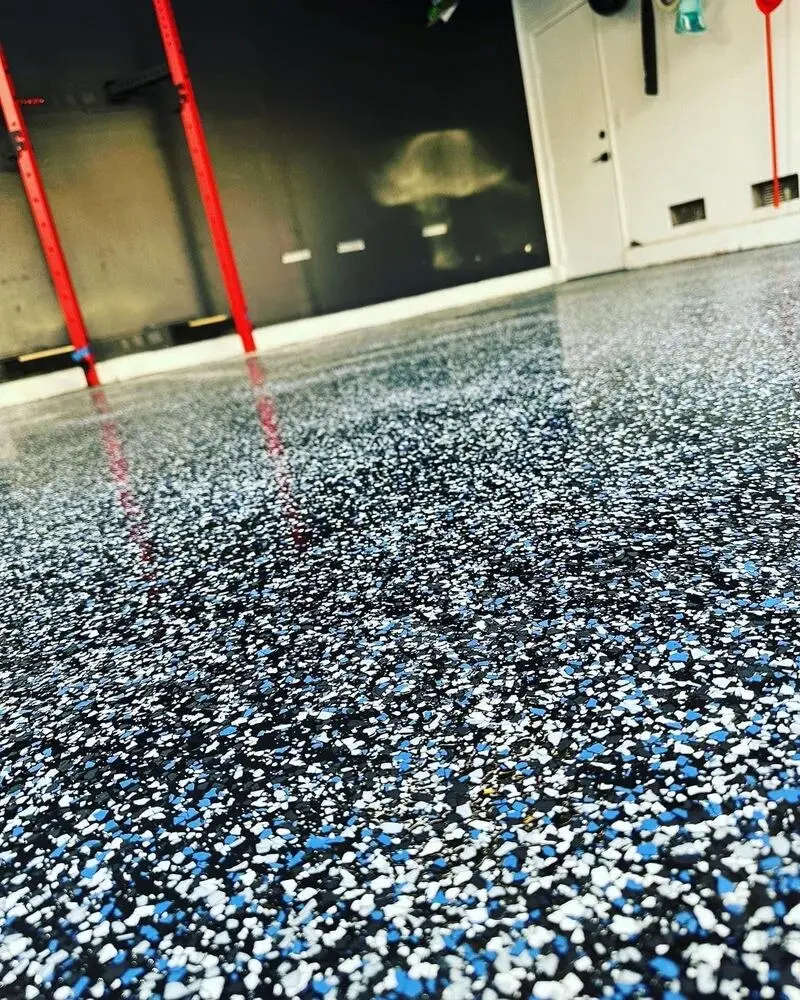
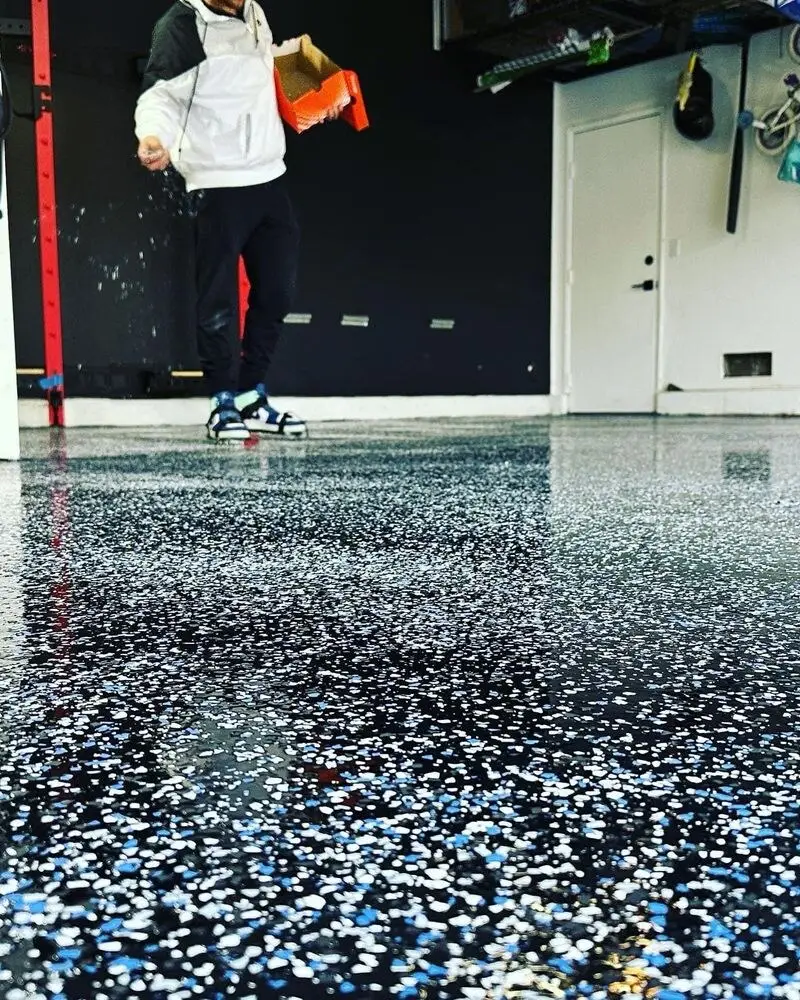
Garage and driveway slabs crack from shrinkage, loads and soil movement, and oil and salts stain the surface. After repairs, a sealer or coating protects the work. Hairline cracks can disappear under a flake or metallic epoxy, while larger repairs may be visible through thin coatings.
We tell you which marks will remain and which will vanish, so you can decide whether to coat or only seal.
Commercial slabs and loading areas
Loading docks, drive lanes and parking lots fail where wheels turn, brake and drop loads. We cut out failed joints, rebuild edges with fast setting mortars and install joint fillers matched to traffic.
Work is phased by lane or bay, and we mark repaired zones so inspectors and managers can track them. Quick return to service matters, and cure times are planned accordingly.
Photos, records and next steps
Every repair job gets before and after photos, a list of what was done and where, and the products used. This record helps with insurance, resale and future maintenance, and it makes it easy to see whether a crack has moved between visits.
We also note areas to watch, such as hairline cracks near a downspout or a joint that is starting to open, so small items do not turn into surprises later.
Getting an estimate
Our epoxy floor cost guide explains what moves the price. Send photos and rough dimensions through the free estimate form and we respond within 24 hours. Site walks are available the next day or later, depending on availability, and you receive a written scope after the visit.
What to know before you start
Number the repair locations on a plan and in photographs before work starts. That reference lets a later inspection distinguish a reopened repair from a crack that was outside the original scope.
Frequently Asked Questions
Sources
Last reviewed:
By Turbo Surfacing Solutions team · Planning updated:
KEEP EXPLORING.
Other Southern California surfacing projects we specialize in — handpicked because they share the same materials, standards, or installation crew as this page.
Related Epoxy & Concrete Polishing & Resources
Sibling services, cities where we install this, and blog posts that go deeper.
Get a Quote for Concrete Repair
Get a free, no-obligation estimate for your project. Our team responds within 24 hours.
Get Repair Quote