- Licensed CA Contractor·
- ADA Compliant Installs·
- Serving All of Southern California·
- Free Estimates·
- Licensed, Bonded & Insured
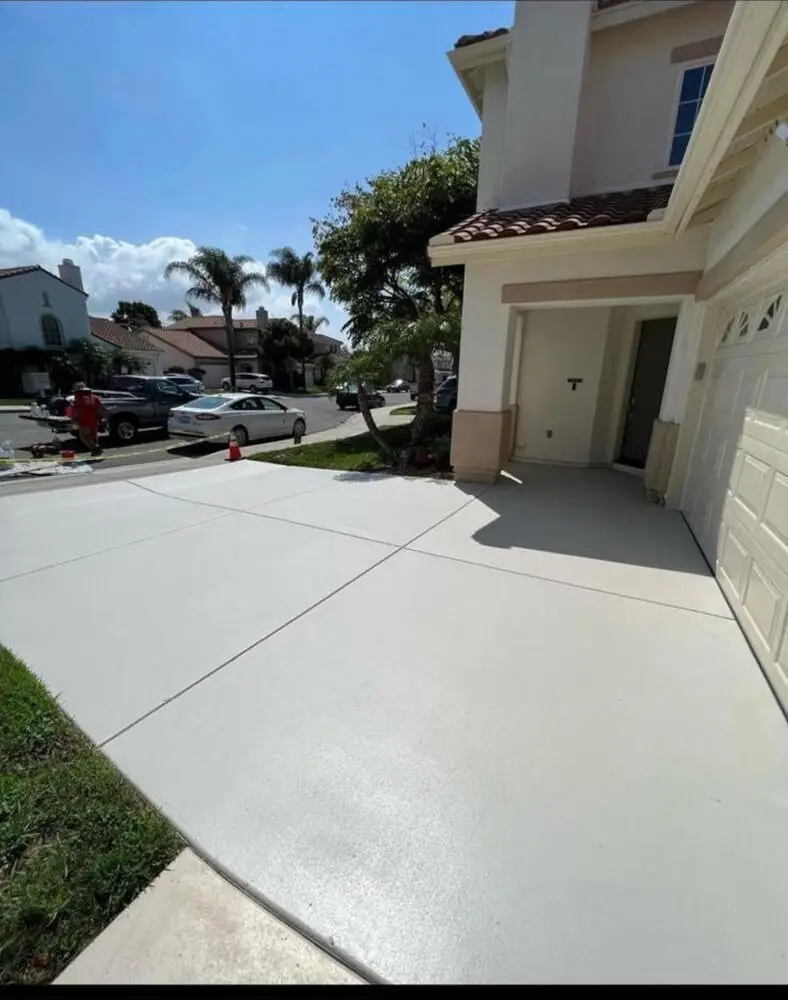
Concrete Sealing for Driveways, Patios, Floors and Commercial Slabs
Protection against water, stains and wear, with the right sealer matched to the surface and the way it is used.
Quick answer
Concrete sealing applies a protective product that reduces water absorption, staining and surface wear. Penetrating sealers soak in and keep the natural look, while film forming sealers add sheen and a protective layer. Turbo Surfacing cleans, prepares and applies the right sealer for your slab. We are licensed, bonded and insured.
Key takeaways
- Sealers reduce water, stains and wear.
- Penetrating and film forming types suit different jobs.
- Preparation decides how long it lasts.
- Re seal when water stops beading.
Bare concrete is porous. Water, oil, salt and dirt soak in, and over time the surface stains, scales and wears. A sealer slows all of that and makes cleaning far easier.
This page explains the main sealer types, where each works best and how sealing is done well.
Why seal concrete
Sealing reduces moisture absorption, resists oil and food stains, protects color and limits dusting. Outdoors, it also reduces damage from irrigation water, salt air and sun. Indoors, it keeps spills from soaking into the surface.
A sealed slab stays cleaner and looks better for longer, which saves money on cleaning and repair.
Penetrating sealers
Penetrating sealers, such as silanes, siloxanes and silicates, soak into the concrete and react below the surface. They keep the natural look, add little sheen and let vapor escape.
They suit exterior slabs, driveways, walkways and areas where traction and natural appearance matter. They do not provide a wearing surface, so they work best on lightly worn areas.
Film forming sealers
Acrylic, urethane and epoxy sealers form a film on the surface. They add sheen, deepen color and resist stains. Gloss ranges from matte to high shine.
Film forming sealers need re coating when worn. They suit decorative concrete, stamped surfaces, stained floors and interiors where appearance counts.
Acrylic sealers
Acrylics are the most common film forming sealers. They are easy to apply, dry fast and are easy to refresh. Water based versions have lower odor, while solvent based versions often give deeper color.
They are best for patios, pool decks, stamped concrete and light interior use.
Urethane and epoxy sealers
Urethane and epoxy sealers are harder and resist wear and chemicals better than acrylics. They suit garages, shops, commercial floors and high traffic interiors.
They need careful preparation and the right conditions, but they last longer. We explain the trade off between cost and durability.
Traction and slip resistance
Glossy sealers can be slippery when wet. We add fine aggregate or choose textured products for ramps, pool decks, entries and walkways. Texture is tested on a small area.
Matte finishes also hide wear better in busy areas.
Preparation before sealing
Sealer will not work on a dirty or contaminated slab. We clean, remove old sealers and oil, repair cracks and make sure the concrete is dry. Moisture trapped under a film forming sealer can turn it cloudy.
Good prep is the biggest factor in how long a sealer lasts.
Application and curing
We apply sealers with sprayers, rollers or squeegees in thin coats. Heavy coats can bubble or whiten. Weather matters, so we avoid rain, wind and extreme heat.
Cure times vary. We tell you when you can walk on the surface, place furniture and drive on it.
When to re seal
Exterior film sealers often need renewal every few years. Penetrating sealers last longer but still need periodic checks. A simple water drop test shows whether water still beads. If water soaks in, it is time.
Re sealing is far cheaper than repairing a damaged surface.
Commercial and industrial sealing
Warehouses and shops use densifiers and hardeners to reduce dusting and increase wear resistance. Parking areas use sealers that limit water and salt. Retail floors use sealers for easier cleaning and consistent sheen.
We plan work around operations and match products to traffic.
Care after sealing
Sweep regularly and clean with mild products. Avoid harsh acids and abrasive pads. Blot spills quickly. Keep heavy furniture on pads, and refresh the sealer as needed.
Following simple care keeps a sealed surface performing.
Sealing stained, stamped and decorative concrete
Stained and stamped concrete depends on its sealer. The right product deepens color, resists fading and protects the pattern. Gloss level changes how color reads, so we test samples before the full surface is sealed.
High traffic stained floors may need a harder topcoat over a base sealer. We also add traction where the surface will be wet.
Garage floors and workshops
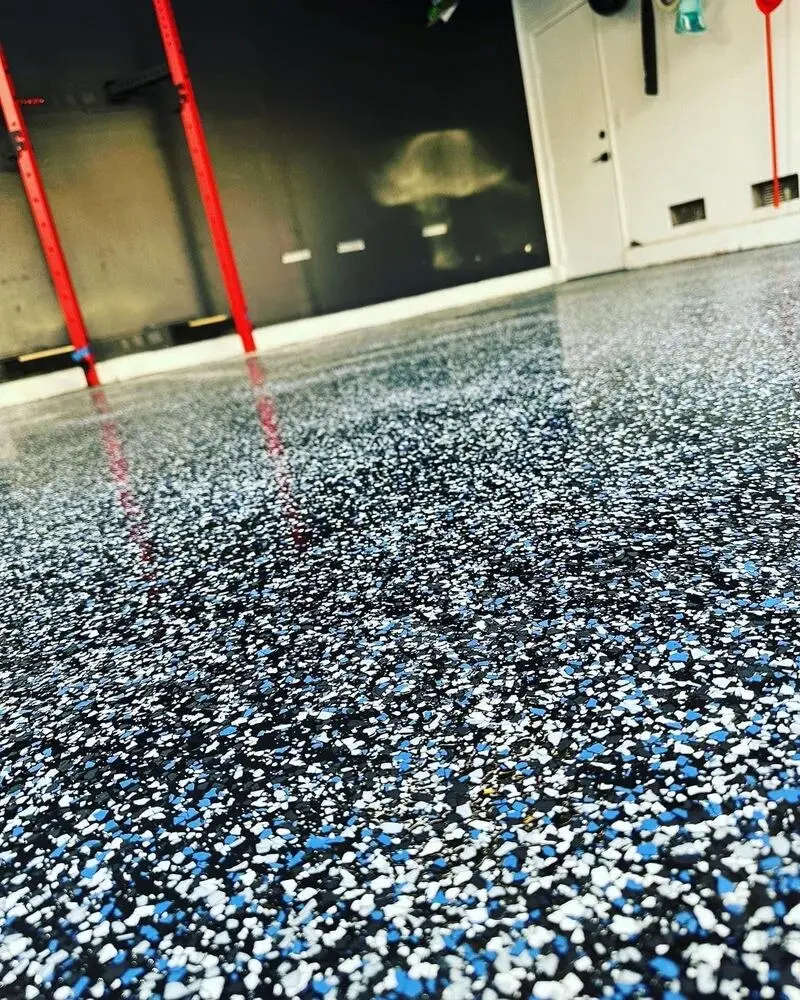
A sealed garage floor resists oil, tire marks and dust. Penetrating sealers keep the floor breathable and natural looking, while urethane sealers give a stronger surface in busy shops. For heavy chemical exposure or hot tires, epoxy or polyaspartic coatings are better than any sealer.
We tell you honestly where sealing is enough and where a coating is worth the cost.
Cure time and weather
Sealers need clean, dry conditions. We avoid rain, strong wind, hot surfaces and heavy morning dew. Water based products dry faster, but they need protection while curing.
You will receive a clear schedule for foot traffic, furniture and vehicles, and a reminder to keep sprinklers off the slab during the cure period.
Common sealing mistakes
Applying too much sealer causes bubbles, whitening and a sticky surface. Sealing over damp concrete traps moisture. Using the wrong sealer type for the surface leads to peeling. Skipping preparation is the biggest mistake of all.
We avoid these by testing moisture, choosing the right product and applying thin, even coats.
Common areas and managed properties
Property managers seal courtyards, walkways, pool decks and parking areas to keep maintenance predictable. A planned resealing cycle costs less than reacting to stains and scaling, and it keeps the property looking cared for.
We schedule by area, provide notice language for residents and keep walkways open where possible. After the work, we leave a simple log of products and dates so the next cycle is easy to plan.
Testing a small area first
Before sealing a full surface we often test a small, hidden patch. It shows how the sealer changes color, sheen and traction, and whether the concrete absorbs it evenly. A test also reveals problems such as trapped moisture or old sealer residue.
Taking a few minutes for a test panel is cheaper than redoing a whole patio, and it lets you choose a finish you will be happy with.
Sun, salt air and Southern California exposure
Sun breaks down sealers over time, and coastal air carries salt that wears surfaces faster. Inland yards add dust and heat. We choose ultraviolet stable products for exposed slabs and lighter colors where heat is a concern.
Irrigation overspray is another quiet enemy. Sprinklers that hit a driveway every morning shorten the life of a sealer, so we suggest redirecting heads where we can.
Edges, joints and expansion gaps
Sealer should not bridge joints that need to move. We keep expansion and control joints open or filled with flexible sealant, and we seal slab edges where water enters.
Careful detailing around planters, steps and foundations keeps the sealer intact and helps the surface drain properly.
What affects the time and scope
Area, condition, existing coatings and access all affect scope. A clean, bare slab seals quickly, while a stained surface with old sealer takes longer. Multi level or hard to reach areas need extra setup.
Sending photos and rough dimensions lets us prepare a realistic scope before the site walk.
Getting an estimate
Our epoxy floor cost guide explains what moves the price. Send photos and rough dimensions through the free estimate form and we respond within 24 hours. Site walks are available the next day or later, depending on availability, and you receive a written scope after the visit.
What to know before you start
Trial the proposed sealer beside an area that will remain untreated. Review the resulting color change before assuming that a clear product will leave the concrete visually unchanged.
Frequently Asked Questions
Sources
Last reviewed:
By Turbo Surfacing Solutions team · Planning updated:
KEEP EXPLORING.
Other Southern California surfacing projects we specialize in — handpicked because they share the same materials, standards, or installation crew as this page.
Related Epoxy & Concrete Polishing & Resources
Sibling services, cities where we install this, and blog posts that go deeper.
Get a Quote for Concrete Sealing
Get a free, no-obligation estimate for your project. Our team responds within 24 hours.
Get Sealing Quote