- Licensed CA Contractor·
- ADA Compliant Installs·
- Serving All of Southern California·
- Free Estimates·
- Licensed, Bonded & Insured
Epoxy Quartz Floors for Kitchens, Wash Areas and Busy Commercial Spaces
A rugged, textured, slip resistant surface for floors that take abuse and need to stay safe when wet.
Quick answer
Turbo Surfacing installs epoxy quartz floors on prepared concrete. Colored quartz sand is blended into epoxy to build a thick, textured, slip resistant surface that suits kitchens, wash areas and busy commercial spaces. We are licensed, bonded and insured and respond to estimate requests within 24 hours.
Key takeaways
- Quartz systems build a thick, rugged, slip resistant surface.
- Texture level is chosen for the space and what is spilled there.
- Coves, drains and joints need careful detail.
- Work is planned in sections so a kitchen can keep operating.
- Textured floors need cleaning that reaches the texture.
Some floors have to be beautiful. Others have to be safe, tough and easy to wash down. Quartz epoxy is built for the second kind. Colored quartz sand is mixed into epoxy or broadcast into it, producing a thick, gritty, durable surface that stays safe when wet and survives heavy use.
This page explains how quartz floors are made, where they work, how they differ from flake and solid color floors and how coves, drains and joints are handled.
What a quartz floor is
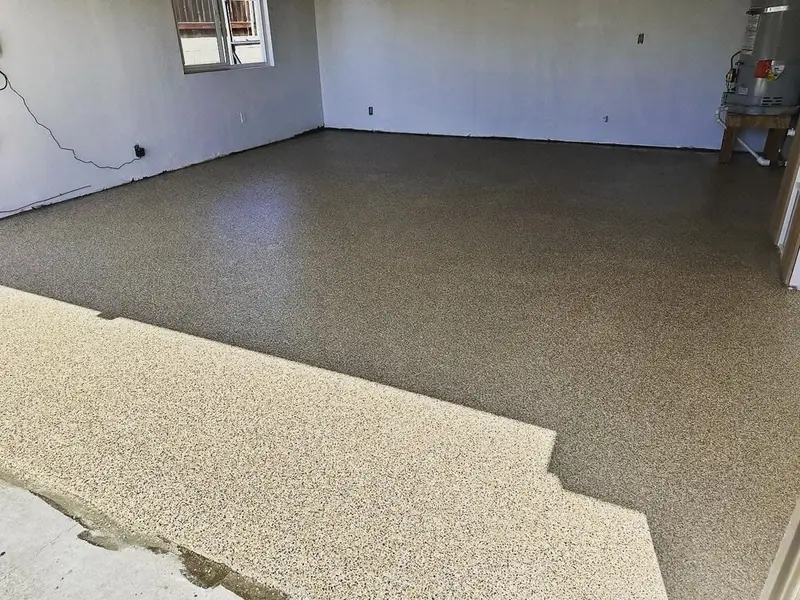
Quartz systems combine epoxy resin with graded, colored quartz sand. There are two common methods. In a broadcast system, quartz is scattered into wet epoxy and sealed under a topcoat. In a troweled or slurry system, quartz is mixed with epoxy and applied like a mortar. Both build a thicker, harder surface than a solid color coat.
The quartz gives the surface its texture and its color, and it provides a degree of impact and abrasion resistance that thin film coatings cannot match.
Slip resistance
Texture is the point. The grit of the quartz gives shoes and wheels something to grip, even when the floor is wet or greasy. The coarser the quartz, the more traction and the more texture to clean. Finer quartz gives a smoother surface that is easier to wipe.
We discuss texture level for each area. A commercial kitchen near a fryer needs more grip than a retail stockroom, and a pool deck needs more than a dry lobby.
Where quartz floors work
Quartz systems suit commercial kitchens, food processing areas, breweries, wash bays, locker rooms, school cafeterias, hospital service areas and many industrial floors. They are less common in residences, though some homeowners choose quartz for garages and outdoor kitchens.
They are less suited to spaces where a smooth, glossy look is the goal, where metallic or solid systems may be better.
Coves, walls and drains
In wet and food areas, the floor often curves up the wall as a cove, so there is no joint where water and debris can collect. Coves are formed with a trowelable material and sealed with the same system as the floor. Drains need careful detail, with slopes toward them and clean transitions around the grate.
We note coves, drain details and wall transitions in the scope. If your facility has hygiene or inspection requirements, share them early so we can plan around them.
Joints and movement
Concrete slabs have control and expansion joints. A rigid quartz system will crack along a moving joint unless the joint is treated. We treat joints with flexible fillers or joint covers, and we plan the system around them. In some floors, joints are honored with a saw cut and a sealant so movement is controlled.
A bid that says nothing about joints is worth questioning.
Preparation
Quartz systems are thick, so they need a sound, properly profiled slab. Diamond grinding or shot blasting opens the surface, and cracks and spalled areas are repaired. Moisture is tested, since vapor pressure can damage any thick system. A slab with a history of dampness may need a moisture mitigating primer.
Scheduling and downtime
Quartz systems take more time than thin coats, because there are more steps and each layer has to cure. Food and hospitality businesses often need work done in sections, on nights or weekends. We plan zones so part of a kitchen or a facility can keep operating, and we agree on a schedule in writing.
Cure times depend on temperature and humidity. We tell you when foot traffic, carts and equipment can return, and we update you if weather or conditions move the schedule.
Hygiene and inspection planning
Food and healthcare facilities are inspected, and floors are part of the review. A seamless, coved surface with no cracks, open joints or pits is easier to clean and to defend. Plan drain slopes, door thresholds and equipment bases with your inspector's expectations in mind.
Share your facility's requirements before the scope is written. We will discuss details, such as cove height, joint treatment and drain transitions, and note them so you can show an inspector what is planned.
Heavy equipment and impact
Quartz and mortar systems stand up to carts, pallet jacks, dropped pans and the occasional dropped tool better than thin coats. Heavy point loads, such as the legs of large equipment, still need thought, and very heavy impact may call for a thicker or different system. Tell us what moves across the floor, how heavy it is and how often.
We recommend a build and note it in the scope. For extreme duty, we say so and discuss alternatives.
Cleaning routines for facilities
Textured floors need a routine. Daily cleaning with a machine scrubber or a stiff brush, weekly deeper cleaning in grease areas and prompt cleanup of spills keep the texture from clogging. Train staff on the right chemicals and dilution, since the wrong cleaner can harm a coating. We give written care instructions and are glad to review them with your team.
Cleaning and upkeep
Textured floors need cleaning that reaches the texture. Use a stiff brush or a machine scrubber with a suitable cleaner, and rinse thoroughly. Grease and food residue can collect in the texture if cleaning is skipped. Avoid harsh chemicals not recommended for the system. Warranty terms vary by product and system and are provided in writing with each estimate.
Questions to answer before a quartz project
Tell us what is spilled, washed or dragged across the floor, how often it is cleaned and with what, how hot the water is and what inspections apply. Tell us about drains, slopes, existing coatings and the history of the slab. Those answers let us recommend a build and a texture, and they let you compare bids on the same basis.
Quartz compared with flake and solid color
Solid color is simple and inexpensive and suits light duty. Flake adds color and texture and suits garages and light commercial. Quartz is thicker and more rugged, with more texture, and it suits wet and heavy use. It costs more than thinner systems, and it is harder to clean, because texture holds soil. We help you choose the system that fits your use, not the one with the highest price.
Cost and next steps
Our epoxy floor cost guide explains what moves the price. Send photos and rough dimensions through the free estimate form and we respond within 24 hours. Site walks are available the next day or later, depending on availability, and you receive a written scope after the visit.
What to know before you start
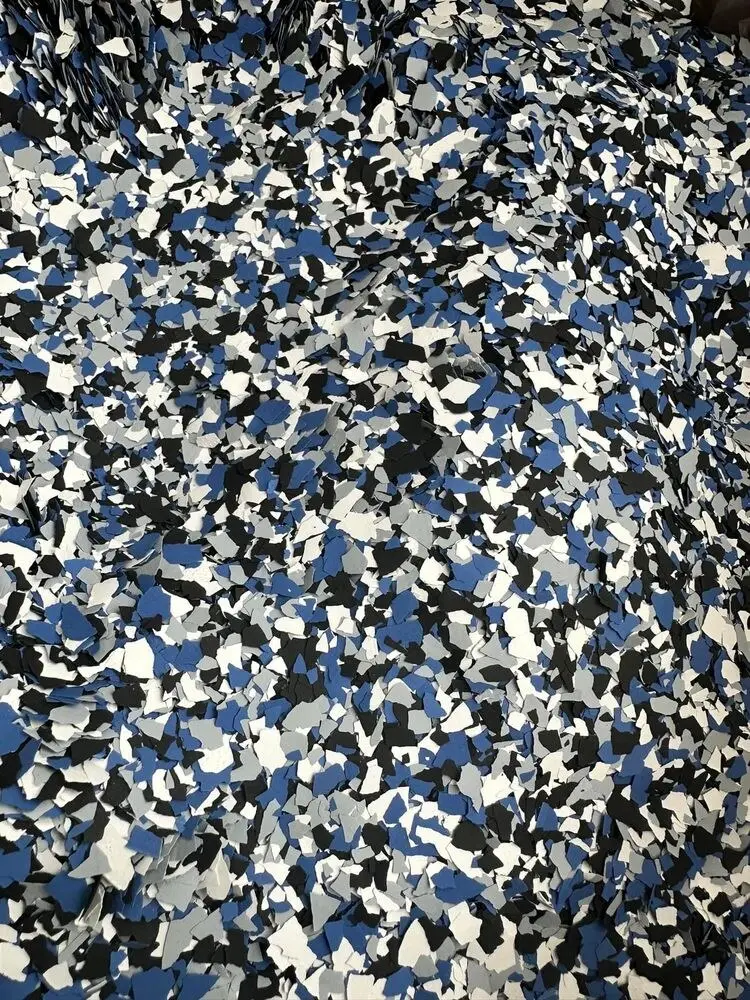
Compare the quartz sample after its specified seal coat, not only as loose aggregate. The finished encapsulation is the surface that footwear and cleaning equipment will actually contact.
Frequently Asked Questions
Sources
Last reviewed:
By Turbo Surfacing Solutions team · Planning updated:
KEEP EXPLORING.
Other Southern California surfacing projects we specialize in — handpicked because they share the same materials, standards, or installation crew as this page.
Related Epoxy & Concrete Polishing & Resources
Sibling services, cities where we install this, and blog posts that go deeper.
Get a Quote for Epoxy Quartz Flooring
Get a free, no-obligation estimate for your project. Our team responds within 24 hours.
Get Quartz System Quote