- Licensed CA Contractor·
- ADA Compliant Installs·
- Serving All of Southern California·
- Free Estimates·
- Licensed, Bonded & Insured
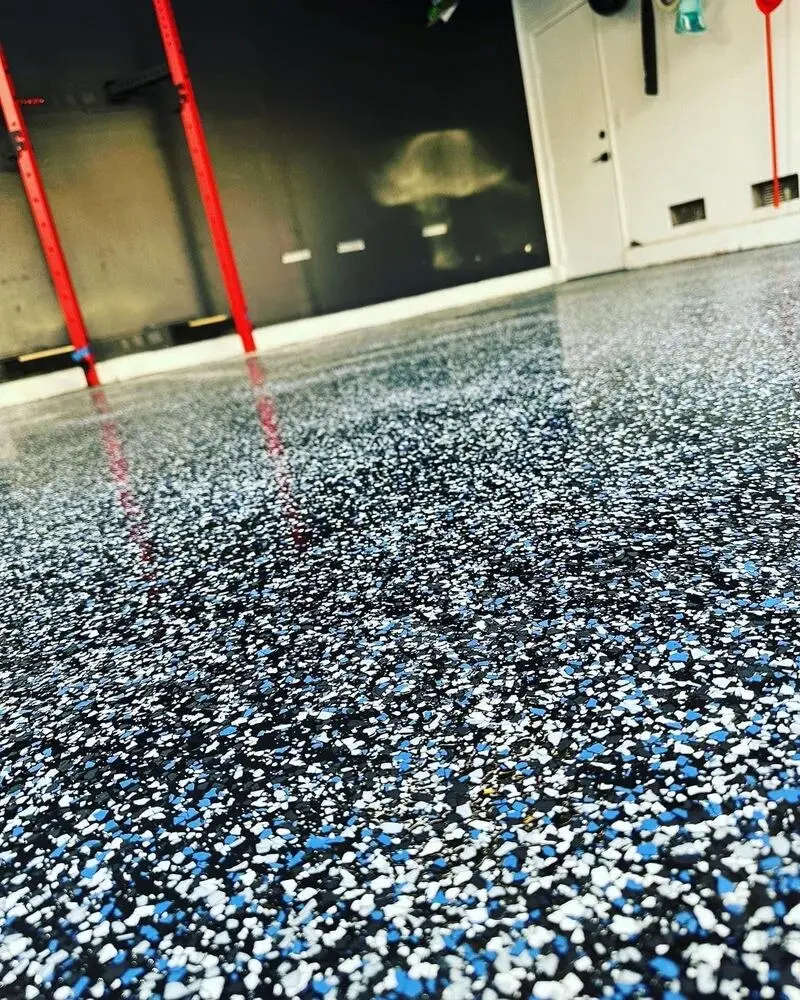
Epoxy Floor Maintenance: Cleaning, Care and Recoating
Simple routines that keep epoxy floors looking new, plus the products to avoid and signs a refresh coat is due.
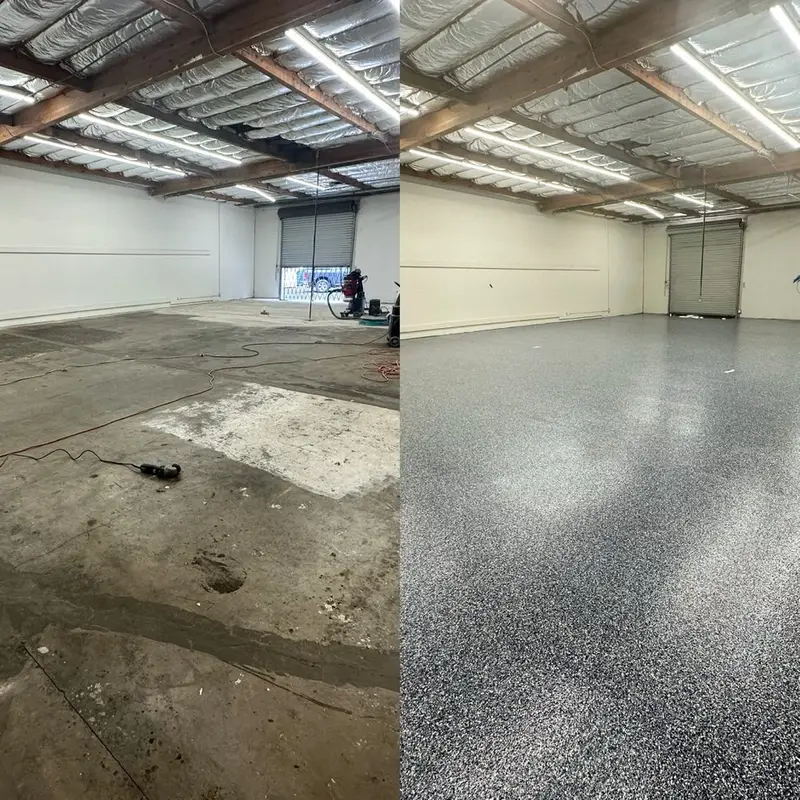
Quick answer
Epoxy floors need little care: sweep or dust mop to remove grit, wash with a mild neutral cleaner and soft pad, wipe spills promptly and avoid harsh solvents and abrasive tools. Refresh the topcoat when gloss dulls or wear shows. Turbo Surfacing installs and maintains epoxy floors, and we are licensed, bonded and insured.
Key takeaways
- Sweep often and wash with neutral cleaner.
- Avoid acids, solvents and abrasive pads.
- Refresh the topcoat before wear reaches bare epoxy.
- Moisture bubbles need a slab test.
A well installed epoxy floor is easy to live with. Most of the work is keeping grit off it, wiping up spills and using the right cleaner.
This page covers daily and seasonal care, stain removal, products to avoid and how to tell when a topcoat refresh will extend the life of your floor.
Daily and weekly care
Grit is the main enemy of any coated floor because it acts like sandpaper under shoes and tires. A soft broom, dust mop or microfiber pad removes it quickly. In busy areas, a quick pass at the end of each day is enough.
Once a week, or as needed, wash with warm water and a mild neutral cleaner using a soft mop or auto scrubber. Rinse well and dry to avoid film and water spots, especially on dark or glossy floors.
Cleaners that are safe and cleaners to avoid
Neutral, pH balanced cleaners are best. Many commercial floor cleaners are safe when diluted correctly, and plain warm water handles light dirt. We provide a short care sheet with products that suit your finish.
Avoid acidic cleaners, strong solvents, bleach blends, citrus degreasers left to sit and anything abrasive. They can dull the topcoat, soften it or leave residue. When unsure, test on a hidden area first.
Spills, oil and chemicals
Wipe spills quickly, particularly brake fluid, gasoline, solvents and strong acids. Most of these will not harm a cured topcoat if removed promptly, but long contact can stain or soften the surface.
For oil, blot first, then wash with a neutral degreaser. Never scrape with metal. If a chemical sits for a long time and the finish changes, photograph it and call us so we can advise before the area worsens.
Hot tires and vehicle marks
Hot tires can lift plasticizers and leave marks, especially on lower quality coatings. A urethane or polyaspartic topcoat resists this much better than plain epoxy. If marks appear, a neutral cleaner and soft pad usually removes them.
Let tires cool for a few minutes before parking when possible, and keep wheels free of embedded stones. Mats under parked vehicles reduce wear in the high traffic spots.
Scratches, scuffs and gloss loss
Light scratches come from dragging heavy items, metal edges and grit. Use furniture pads, lift equipment instead of dragging it and keep a clean floor. Fine scratches in gloss floors show up first, which is why matte and flake finishes hide wear better.
When scratching builds up, a refresh coat restores clarity and protection. This is far cheaper than redoing the whole system.
Keeping traction safe
Wet floors can be slippery, and cleaning residue makes this worse. Rinse thoroughly, use mats at entries and wipe up water promptly. If your floor has aggregate in the topcoat, scrub it with a stiffer brush periodically to keep the texture open.
We can add a textured topcoat to floors that feel too slick. Ask during the site walk if traction is a concern, such as near pool doors or wash bays.
Sun, heat and color change
Direct sunlight can yellow or chalk some epoxies. Polyaspartic and aliphatic urethane topcoats hold color much better and are the usual choice for garages with large doors or windows. Interior floors out of the sun rarely change.
If you notice color shifting in a sunny area, a clear ultraviolet stable topcoat can protect the system. We can look at it during a maintenance visit.
Commercial and industrial care
Shops and plants benefit from a written cleaning schedule. Auto scrubbers with soft pads handle large floors, and walk off mats at doors reduce dirt. Forklift traffic should stay on designated lanes, and wheels should be inspected for embedded debris.
Joint edges deserve extra attention because impact starts there. We can inspect joints, document wear and recommend small repairs before they become larger projects.
Removing stains and discoloration
Most surface stains lift with a neutral cleaner and a soft brush. Rust marks from tools and metal furniture can often be treated with a mild, coating safe product. Dark tire marks usually wash away.
Deep stains from long exposure may be permanent. We assess them case by case and tell you honestly whether cleaning or recoating is the better answer.
When to refresh the topcoat
A refresh coat makes sense when gloss is uneven, scratches are visible across a wide area or the surface feels rough. We clean and lightly abrade the topcoat, repair damage and apply a new clear layer. The floor looks new again without removing the base system.
Waiting until the coating is worn through to bare epoxy or concrete turns a simple refresh into a bigger repair. An annual look at the floor catches problems early.
Repairing chips and damaged spots
Heavy impacts can chip a coating. Small chips are filled and color matched, then topcoated. Larger damaged areas are ground back and rebuilt, and joints are re-filled with flexible material.
Quick repairs keep water and dirt out of the damaged area. Contact us with a photo, and we can usually tell you whether it is a simple fix or something that needs a proper visit.
Watching for moisture and bubbles
Bubbles, white spots or soft patches can signal moisture rising from below. They often show up after heavy rain or irrigation changes. Do not puncture them. Take photos, note the location and call us.
We test the slab, find the moisture source if possible and decide whether localized repair or a different system is needed.
Seasonal and annual care
Twice a year, inspect the floor for chips, joint gaps, dull areas and bubbling. Wash it thoroughly, check mats and wheel guards and confirm that drains are clear. After winter rains and again before summer heat are convenient times.
Keeping a simple log helps. Note cleaning products, repairs and any changes, so the next maintenance step is clear.
Garage floor routines
Garage floors collect road salt, brake dust, oil drips and tool marks. Sweep weekly, wash monthly or as needed and wipe leaks right away. Park on a mat if you want to protect the finish in the busiest spot.
Do not use jack stands or heavy tools directly on the coating without pads, since point loads can mark softer areas. A little protection keeps a garage floor looking professional.
Commercial kitchens and washdown areas
Kitchens and food areas face grease, hot water and strong sanitizers. Use cleaners that are approved for your coating and rinse thoroughly. Drain areas and floor sinks need regular checks because debris slows water flow.
Coved edges and seamless transitions help here, but they still need clean routines. We can walk through your cleaning plan and suggest adjustments that protect the floor.
Getting an estimate
Our epoxy floor cost guide explains what moves the price. Send photos and rough dimensions through the free estimate form and we respond within 24 hours. Site walks are available the next day or later, depending on availability, and you receive a written scope after the visit.
What to know before you start
Keep the cleaner's label and dilution instructions with the floor-system record. When a cleaning contractor changes, review that exact combination rather than carrying forward an unlabeled bottle.
Frequently Asked Questions
Sources
Last reviewed:
By Turbo Surfacing Solutions team · Planning updated:
KEEP EXPLORING.
Other Southern California surfacing projects we specialize in — handpicked because they share the same materials, standards, or installation crew as this page.
Related Epoxy & Concrete Polishing & Resources
Sibling services, cities where we install this, and blog posts that go deeper.
Get a Quote for Epoxy Floor Maintenance
Get a free, no-obligation estimate for your project. Our team responds within 24 hours.
Request Maintenance Plan