- Licensed CA Contractor·
- ADA Compliant Installs·
- Serving All of Southern California·
- Free Estimates·
- Licensed, Bonded & Insured
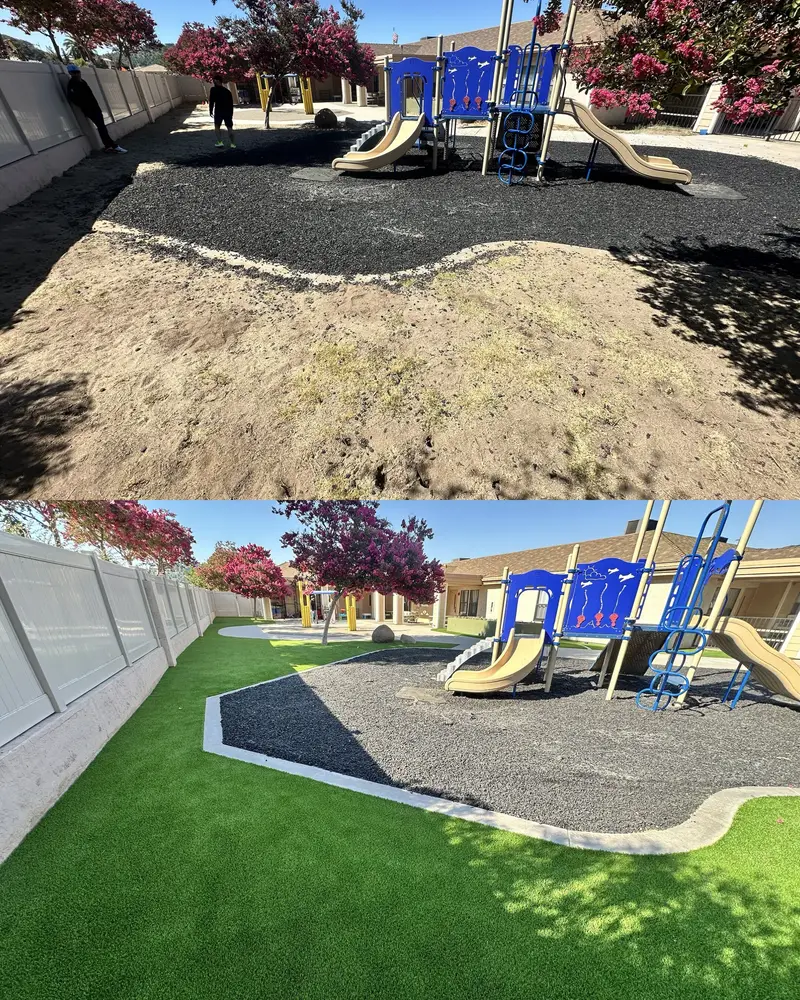
Artificial Grass Maintenance: Cleaning, Brushing and Care
Easy routines that keep turf looking full, smelling fresh and draining well for years.
Quick answer
Artificial grass maintenance is simple: remove debris with a leaf blower or rake, rinse the surface, brush fibers against the grain every few weeks, treat pet areas and spot clean stains. Avoid heat, solvents and sharp tools. Turbo Surfacing installs turf and offers maintenance guidance; we are licensed, bonded and insured.
Key takeaways
- Remove debris weekly and brush regularly.
- Rinse often and treat pet areas promptly.
- Avoid heat, solvents and high pressure.
- Fix seams and edges early.
Artificial turf saves the mowing and watering, but it still benefits from regular care. A few easy habits keep fibers upright, stop odors and extend the life of the lawn.
This page covers weekly routines, pet care, stain removal, weeds, repairs and seasonal checks.
Weekly debris removal
Leaves, twigs and dust collect on the surface. A leaf blower, soft rake or stiff broom removes them quickly. Do this weekly, or more often under trees. Removing debris prevents buildup that can hold moisture and block drainage.
Work with the grain to avoid pulling fibers. Light, regular cleaning beats occasional heavy scrubbing.
Rinsing and freshening
Rinse the turf with a garden hose every few weeks, or more often in dusty areas. Water pushes dust through the backing and into the base. In hot weather, a quick rinse also cools the surface.
For a deeper clean, use mild soap and water, then rinse thoroughly. Avoid pressure washers set high, which can lift infill and damage seams.
Brushing and infill
Foot traffic flattens fibers. Brush against the grain with a stiff bristle broom or power brush every few weeks to stand them up. Heavy use areas may need more frequent attention.
Check infill levels each season. If the turf feels thin or fibers lean, add infill and brush it in. Proper infill supports the blades and gives the lawn a fuller look.
Pet waste and odor control
Remove solid waste right away and rinse the area. Urine passes through the turf and into the base, but heavy use can leave odor. Enzyme cleaners made for turf break down residue without damaging fibers.
If odor persists, a deodorizing infill or a deeper base rinse may help. Tell us if smell is a recurring issue, and we can look at drainage.
Stains and spills
Wipe up spills quickly. Most food, drink and mud stains wash out with mild soap and water. For gum, let it harden with ice and lift it off gently. Oil and grease may need a mild degreaser.
Avoid strong solvents and bleach, which can fade or weaken fibers. Test cleaners on a hidden corner first.
Heat, reflections and burn risk
Hot surfaces can soften or discolor turf. Barbecues, fire pits and glare from windows can damage fibers. Use mats or pads under grills and fire pits, and watch for glare reflected from nearby windows.
Light colored turf or cooling infills reduce surface temperature. On very hot days, a quick rinse cools the surface for bare feet and pets.
Weeds and pests
Weeds appear mainly at edges or where dirt builds on the surface. Pull them by hand or spot treat with a product safe for turf. A good weed barrier and tight edges reduce regrowth.
Ants and other pests may nest in the base. A turf safe insecticide at the edges usually solves it. Keep food scraps and pet waste off the surface to avoid attracting them.
Checking seams and edges
Inspect seams and edges a few times a year. Look for lifting, gaps or frayed fibers. Small issues can be glued or re-fastened quickly if caught early.
Heavy use, extreme heat and poor edging can open seams. Contact us if you see a gap, since quick repairs prevent bigger ones.
Under trees and in shaded areas
Trees drop leaves, blossoms and sap. Frequent blowing keeps the turf clean. Shaded areas stay damp longer and may grow moss or algae. Brush and rinse regularly, and use a turf safe cleaner if needed.
Trim overhanging branches where you can. Better airflow helps the lawn dry faster.
Commercial and high traffic areas
Schools, parks and offices need more frequent brushing and debris removal. Set a schedule, assign responsibilities and log infill top ups. High traffic lanes may need more frequent attention than the rest of the lawn.
We can recommend maintenance routines and supplies sized to your site, and we can visit on request to inspect and refresh the surface.
Spot repairs
Cuts, burns and worn patches can often be repaired by replacing a section of turf. The damaged area is cut out, a patch is seamed in and the fibers are blended. If the base has settled, we correct it first.
Keep a small remnant from your installation. Matching color and pile is much easier with the same material.
Seasonal checklist
Before summer, check infill, brush the surface and clear drains. After winter rains, inspect edges, rinse and look for settling. In dry seasons, rinse more often to control dust.
A seasonal checklist takes only a few minutes and catches small issues before they turn into repairs.
What to avoid
Avoid sharp tools, metal rakes, open flames, heavy chemicals, and dragging furniture across the surface. Keep tire traffic off unless the turf was installed for it. Do not use a pressure washer at high settings.
Following these simple rules keeps the surface intact and avoids avoidable repairs.
Infill care and refills
Infill settles with time, especially in play and pet areas. Probe the surface with your hand: if blades feel thin or lean over, add a thin layer of infill and brush it in. Use the same type that was installed so the surface performs the same way.
Over filling makes turf feel stiff, while under filling lets fibers flatten. A thin, even layer is better than a thick pile.
Play areas, sports and heavy use
Children and pets wear the same paths over and over. Rotate where activities happen when possible, and brush those areas more often. Clean play equipment footings and check for loose edges around them.
For sport areas, check line marks and padding occasionally. We can suggest refresh steps that suit the way your lawn is used.
Watering and rinsing habits
Artificial turf does not need irrigation, but a rinse removes dust, pollen and pet residue. Turn off sprinklers that spray onto turf, since mineral deposits can build on blades and backing. Check that drains and downspouts do not dump onto the lawn.
If your water is hard, you may see white mineral marks. A diluted vinegar rinse followed by plain water usually removes them.
Rain, leaves and cooler months
After storms, clear mud and debris so drainage stays open. Wet leaves flatten fibers and stain the surface, so remove them promptly. Standing water that does not clear within a short time suggests a drainage issue worth inspecting.
Cooler months are a good time to brush, add infill and check seams while the surface is comfortable to work on.
When to call a professional
Call us for gaps in seams, large dips, persistent odor, flooded areas or burn damage. These problems usually trace to the base, edge fastening or drainage, and fixing them early costs less.
Send photos and a short description. We can often tell you whether it is a simple repair or needs a visit.
Getting an estimate
Our artificial grass cost guide explains what moves the price. Send photos and rough dimensions through the free estimate form and we respond within 24 hours. Site walks are available the next day or later, depending on availability, and you receive a written scope after the visit.
What to know before you start
Record the brush used on a small, inconspicuous trial area before treating the whole lawn. Keep its type with the care notes so a replacement maintenance crew does not substitute a more aggressive tool.
Frequently Asked Questions
Sources
Last reviewed:
By Turbo Surfacing Solutions team · Planning updated:
KEEP EXPLORING.
Other Southern California surfacing projects we specialize in — handpicked because they share the same materials, standards, or installation crew as this page.
Related Artificial Grass & Resources
Sibling services, cities where we install this, and blog posts that go deeper.
More Artificial Grass
- Artificial Grass InstallationProfessional Installation
- Turf Installation ProcessOur Process
- Commercial Artificial GrassCommercial Solutions
Get a Quote for Artificial Grass Maintenance
Get a free, no-obligation estimate for your project. Our team responds within 24 hours.
Request Maintenance Plan