- Licensed CA Contractor·
- ADA Compliant Installs·
- Serving All of Southern California·
- Free Estimates·
- Licensed, Bonded & Insured
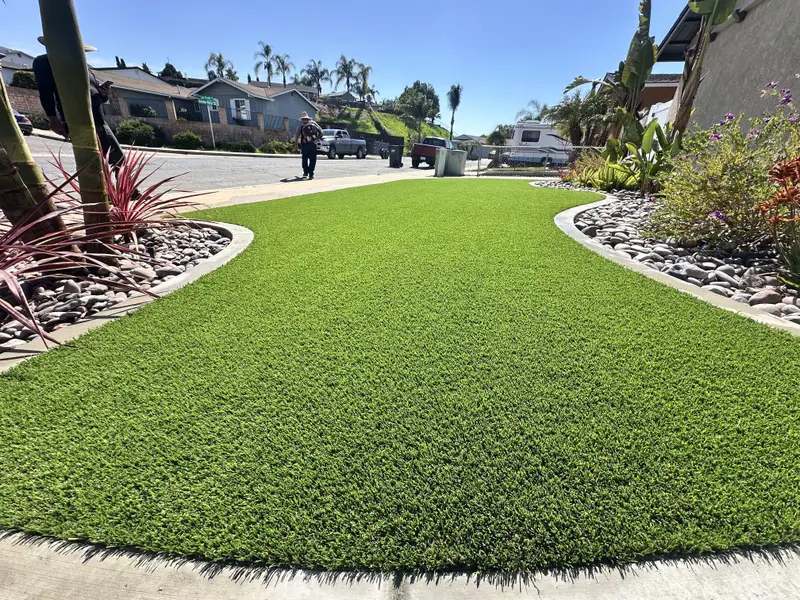
Artificial Grass for Government Buildings and Agency Grounds
Low maintenance turf for public facilities, with the submittals, scheduling and documentation agencies expect.
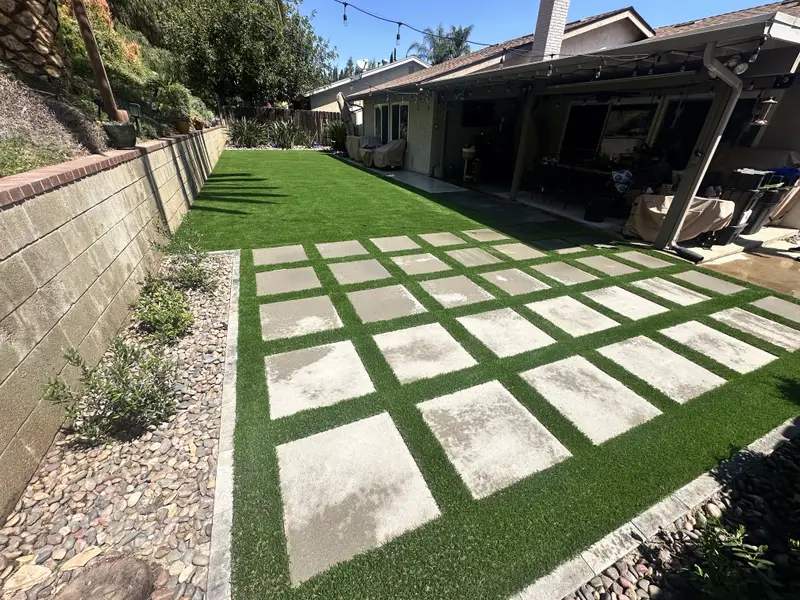
Quick answer
Artificial grass for government facilities replaces hard to maintain lawns at courthouses, administration buildings, campuses and agency yards with a durable, drought tolerant surface. Public projects need clear specifications, submittals and records. Turbo Surfacing is licensed, bonded and insured, and prepares the paperwork agency staff need to review and approve work.
Key takeaways
- Specs and submittals are organized up front.
- Work is phased around operations and security.
- Utilities are located before digging.
- A simple maintenance plan protects the investment.
Government sites carry long lists of buildings, lawns and walkways, and the grounds budget rarely grows. Turf in the right places can reduce mowing, watering and edging while keeping the property tidy for visitors.
This page covers where agencies use turf, how projects are specified and documented and what facility teams should plan for.
Where agencies use turf
Typical locations include courthouse plazas, administration building frontage, narrow strips between parking and sidewalks, internal courtyards, training grounds, security perimeters and shaded areas where natural grass never established. These are spaces that look worse each year despite steady effort.
We walk the property with facility staff and mark the areas that benefit most, so limited funds go where they make the biggest visual and maintenance difference.
Specifications and product data
Agencies often write or follow standard specifications. We review them before bid day, flag anything unclear and propose equivalent materials with product data when a named product is unavailable. We explain differences in plain language so reviewers can approve quickly.
Submittals include fiber type, backing, infill, seam method, base materials and sample pieces. Having these organized at the start prevents delays later.
Public works paperwork
Public projects bring extra paperwork, from proof of insurance and licensing to payroll records. Where a project falls under public works rules, prevailing wage reporting is handled through the Department of Industrial Relations, and we keep records ready for review.
We maintain daily logs, delivery tickets and photos. Contract administrators receive a tidy package at closeout, which supports audits and future maintenance planning.
Scheduling around operations
Buildings stay open to the public, so work is phased around hours, events and security needs. We agree on laydown areas, escort requirements and badge procedures in advance, and we keep work zones clearly marked.
Noisy tasks such as compaction can be shifted to quieter windows. Clear daily communication with the contact person keeps staff informed of closures.
Security, access and site rules
Government facilities often require identification checks, vehicle inspection and restricted areas. Crew members follow site rules, wear identification and stay within approved zones. We bring only the tools and materials needed and remove them at the end of each day.
Where required, we coordinate with facility security on delivery times so trucks do not hold up traffic or block emergency access.
Drainage near buildings and utilities
Public grounds contain valve boxes, conduit, irrigation mains and lighting. We locate these before digging and protect them during base work. Grades are set to move water away from foundations and toward existing drains.
If we find conflicts, we stop, document them with photos and propose options. Avoiding utility damage is part of keeping the project on schedule.
Turf for foot traffic and events
Plazas and lawns host rallies, ceremonies and lunch crowds. We select dense, durable turf with enough infill to stay upright under heavy traffic. Edges are set firmly against concrete, and seams are placed away from high traffic lanes.
Event areas can be refreshed quickly with brushing and spot top ups of infill, which is far easier than reseeding a trampled lawn.
Slip resistance and safe edges
Transitions between turf and hard surfaces are flush to prevent tripping, and walking paths are kept clear. Materials are chosen to hold up in sun and to drain quickly after rain, reducing slick spots.
We note changes in level, steps and ramps during the site walk and design edge details to match.
Water use and landscape priorities
Many agencies set goals for reducing outdoor water use. Replacing narrow or shaded lawns with turf cuts irrigation demand in those areas and removes mowing noise and emissions. We recommend keeping natural plants where they thrive and using turf where they do not.
A mixed approach keeps the grounds welcoming while reducing upkeep.
Lifecycle cost for public assets
Public assets are judged over many years. A lawn that needs mowing, edging, fertilizer and reseeding has recurring costs, while turf has a higher first cost and low upkeep. We help staff compare options on a lifecycle basis, using realistic maintenance routines rather than best case numbers.
Written comparisons support budget requests and board discussions.
Maintenance plan for facility teams
Facility teams receive a short maintenance guide covering debris removal, brushing, rinsing and seasonal checks. We recommend who does what and how often, and we are available for periodic inspections and infill refreshes.
A defined routine keeps the turf looking sharp for visitors and prevents small issues from becoming repair projects.
Communication with staff and the public
Employees and visitors should know what to expect. We provide short notices describing schedule, closed areas and detours, plus a contact name for questions. For high visibility sites, we coordinate with public information staff on messaging.
Clear communication reduces complaints and keeps the project on track.
Comparing proposals fairly
When evaluating bids, compare base depth, drainage plans, turf specifications, infill, edge details, schedule and closeout documents. The lowest price may leave out important steps. We encourage reviewers to ask questions and request clarification in writing.
Transparent scopes make selection decisions easier to defend and projects smoother.
Campuses, training grounds and secured yards
Larger agency sites often include training fields, parade grounds, motor pools and perimeter strips. Natural grass in these places gets compacted, torn up by vehicles and muddy after irrigation. A heavy duty turf over a deeper base handles foot traffic and light equipment better, and it drains faster after storms.
We discuss use before choosing materials. Turf for ceremonies and walking is different from turf that sees carts, mowers and delivery trucks, and the base and infill are adjusted to match.
Wayfinding, striping and details
Public sites often need clear lanes, walkways and signage. We cut in decorative borders, inlay logos and mark paths so people know where to walk. Stanchions, benches and bike racks are set on pads so they do not shift or damage the turf.
Details such as sprinkler head covers, drain grates and valve box lids are fitted cleanly, so maintenance staff can reach what they need without cutting the surface.
Closeout package and records
At the end of a project, agencies expect a closeout package. We provide product data, installation photos, a layout drawing and the care guide, plus the contact information for follow up questions. Any manufacturer documents that apply are included so the file is complete, and we answer follow up questions from reviewers quickly.
A tidy closeout makes future repairs easier, because the next person knows exactly what is under the surface.
First impressions for visitors and staff
Visitors judge a public building by its entrance. A tidy green frontage tells residents their tax dollars are well managed, and a calm courtyard gives staff a place to take a break. We pick colors that fit the architecture and avoid anything that looks shiny or artificial in direct sun.
Photos taken at the site walk and after installation help show the change to supervisors and boards.
Getting an estimate
Our artificial grass cost guide explains what moves the price. Send photos and rough dimensions through the free estimate form and we respond within 24 hours. Site walks are available the next day or later, depending on availability, and you receive a written scope after the visit.
What to know before you start
Specify where the agency will store the turf product record after contractor handover. Include roll identification in the asset file so maintenance purchasing does not rely on a former project manager's memory.
Frequently Asked Questions
Sources
- California Contractors State License Board license lookup
- California Department of Industrial Relations public works
Last reviewed:
By Turbo Surfacing Solutions team · Planning updated:
KEEP EXPLORING.
Other Southern California surfacing projects we specialize in — handpicked because they share the same materials, standards, or installation crew as this page.
Related Artificial Grass & Resources
Sibling services, cities where we install this, and blog posts that go deeper.
More Artificial Grass
- Artificial Grass InstallationProfessional Installation
- Turf Installation ProcessOur Process
- Artificial Grass MaintenanceMaintenance Guide
Get a Quote for Artificial Grass for Government
Get a free, no-obligation estimate for your project. Our team responds within 24 hours.
Request Municipal Quote