- Licensed CA Contractor·
- ADA Compliant Installs·
- Serving All of Southern California·
- Free Estimates·
- Licensed, Bonded & Insured
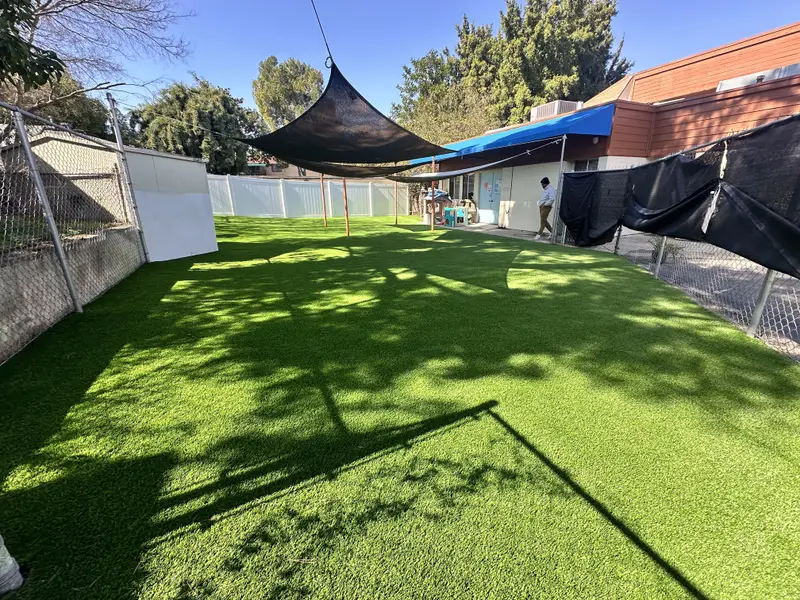
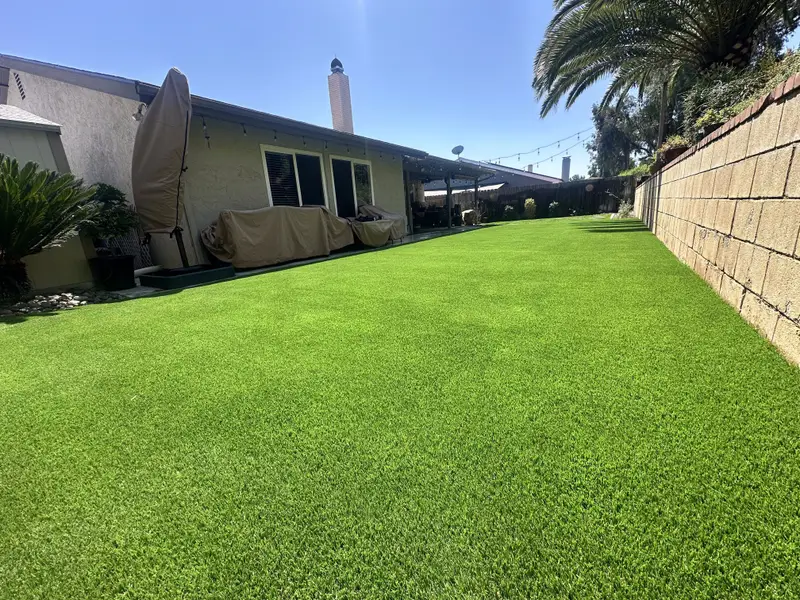
Artificial Grass for Front Yards, Backyards and Side Yards
A homeowner's guide to replacing a thirsty lawn with turf that suits how you actually use the yard.
Quick answer
Turbo Surfacing installs artificial grass for front yards, backyards and side yards over a compacted, drained base. We help homeowners decide where turf fits, plan for kids, pets and heat, and prepare for HOA approval. We are licensed, bonded and insured and respond to estimate requests within 24 hours.
Key takeaways
- Use turf where the lawn is used and plants where beauty and shade matter.
- The base under the turf decides drainage and how long the lawn stays flat.
- Turf is not a fall surface under climbing equipment.
- Plan shade for afternoon use, since turf can run hot.
- Check HOA approval before you order.
Most homeowners start with the same frustration. The lawn costs too much to water, the mower is a weekend chore and the grass still has bare patches where the kids or the dog play. Artificial grass can fix that, but only if it is planned for the yard you have and the way you use it.
This page is for homeowners. It explains where turf makes sense, how a yard is prepared, what to expect with kids, pets and summer heat, how to deal with an HOA and what the installation looks like from the first visit to the final cleanup.
Where turf makes sense in a home yard
Turf works best where the lawn is used: a backyard play space, a dog run, a small side yard where grass struggles in shade, a strip between a patio and a fence. It is less compelling where a planted landscape would cool the yard and add color, such as front beds and slopes. Many homeowners use both: plants where they want beauty and shade, turf where they want a clean, usable surface.
Walk the yard and list each area. Note how it is used, how it is watered and what frustrates you about it. That list is the best starting point for a site walk, and it helps us tell you honestly which areas suit turf and which do not.
What happens under the turf
The visible grass is a small part of the job. Existing lawn and soil are removed to the depth the base needs, the grade is set so water moves away from the house and a compacted aggregate base is installed. That base gives the turf a stable, draining foundation. Skipping it is the most common reason turf lawns develop dips, puddles and odors.
We look at slope, drains, tree roots, irrigation lines and where water leaves the yard before we design the base. Tell us about past drainage problems and any buried lines or utilities you know about, and mark the sprinkler valves so they are handled properly.
Kids, play and soft landings
Turf gives children a clean, mud free place to run. It is not a fall surface, though. Under swing sets and climbing equipment the right answer may be a separate soft landing area with a different surface, and we will discuss it if your yard has play equipment. For general play, a well built turf lawn with a cushion pad can be comfortable, and infill adds weight and helps the blades stand.
If you have toddlers, tell us. Product choice, infill and layout can be adjusted for very young children, and we explain the trade offs in the written scope.
Pets
A pet area needs a base that drains and turf that lets liquid pass. Rinse the area regularly and pick up waste promptly. Infill choices differ for pet use, and the right one depends on how many animals use the yard and how hot it gets. For a dedicated run, see our page on dog runs and dog parks, which covers drainage, odor and heat in detail.
Heat, shade and summer use
Artificial grass in full sun can run hotter than a natural lawn, especially in inland neighborhoods. Shade from a tree, a patio cover or a shade sail helps, and so does a lighter color. Rinsing the surface cools it for a while. If your yard gets afternoon sun and your family uses it then, plan for shade or choose a layout that puts the turf where shade falls.
We talk through sun exposure at the site walk and tell you honestly what to expect in July and August.
HOA approval and water rules
If you live in an association, check the architectural process before you order. Civil Code section 4735 limits how far governing documents can go in prohibiting artificial turf on an owner's property, though reasonable standards for appearance and installation can still apply. We can provide product information, a sample and a written scope for your application.
The SoCalWaterSmart program states that no synthetic turf is allowed, so artificial grass generally does not qualify for a lawn replacement rebate. Ask your water provider, and wait for written approval before removing any lawn you want a rebate for.
Front yards and curb appeal
A front yard is judged by neighbors, so appearance matters as much as water savings. Turf can look convincing if the product, color and installation are right: a blend of green shades, a pile height that suits the setting and clean, well finished edges against walkways, driveways and planting beds. Poorly chosen turf looks flat and shiny, and sloppy edges give it away from the street.
Ask to see a full size sample outdoors, in the light your yard actually gets. Combine turf with plants, stone or mulch for a layered look, and plan where water from the roof and driveway will go, so the edges stay clean.
Budget and phasing at home
Not everyone replaces the whole yard at once. Many homeowners start with the area that costs the most to water or the one the family uses most, then add more later. Phasing works if the first phase is planned with the rest in mind, so edges, drainage and product choice match when the next area is added.
Write down your priorities, send us photos and rough dimensions and tell us what you want to do first. A site walk turns the plan into a written scope, and our cost guide explains what moves the price.
What the installation looks like
A typical yard takes a few days. The lawn is removed, the base is installed and compacted, the turf is laid and cut, seams are joined, edges are secured and infill is brushed in. You will hear equipment, and we will need access through a gate or side yard. We protect nearby hardscape and clean up as we go.
Tell us about gates, pets and children, and we will plan around them. We agree on a schedule in writing and keep you updated if weather moves it.
Care and what to expect over time
Turf needs less work than a lawn but not none. Brush it occasionally to keep fibers upright, remove leaves and debris, rinse dust and pet waste and check edges and seams. Your written estimate explains the terms that apply to the product, and we give you care instructions at closeout.
Our artificial grass cost guide explains what moves the price. Send photos and rough dimensions through the free estimate form and we respond within 24 hours. Site walks are available the next day or later, depending on availability, and you receive a written scope after the visit.
What to know before you start
Place hose connections and movable furniture on the lawn sketch before approving the roll layout. A practical cleaning route is easier to preserve before edging encloses the finished turf.
Frequently Asked Questions
Sources
- California Civil Code section 4735, artificial turf in common interest developments
- SoCal WaterSmart turf replacement program rules
Last reviewed:
By Turbo Surfacing Solutions team · Planning updated:
KEEP EXPLORING.
Other Southern California surfacing projects we specialize in — handpicked because they share the same materials, standards, or installation crew as this page.
Related Artificial Grass & Resources
Sibling services, cities where we install this, and blog posts that go deeper.
More Artificial Grass
- Artificial Grass InstallationProfessional Installation
- Turf Installation ProcessOur Process
- Artificial Grass MaintenanceMaintenance Guide
Get a Quote for Residential Artificial Grass
Get a free, no-obligation estimate for your project. Our team responds within 24 hours.
Request Residential Quote