- Licensed CA Contractor·
- ADA Compliant Installs·
- Serving All of Southern California·
- Free Estimates·
- Licensed, Bonded & Insured
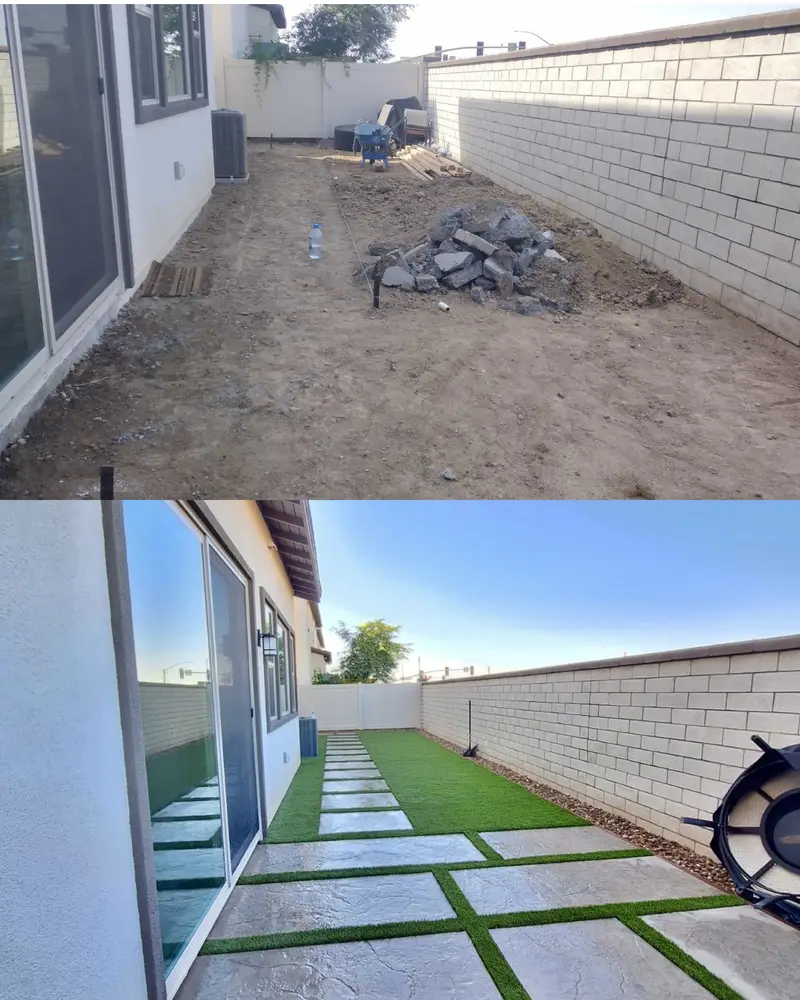
The Artificial Turf Installation Process, Day by Day
A clear walk through every stage of a turf project, with what we do, what you do and when to expect each step.
Quick answer
The artificial turf process runs from a site visit and written scope, through material selection and scheduling, to excavation, base preparation, turf placement, seaming, edging, infill and a final walkthrough. Most yards take two to five days. Turbo Surfacing is licensed, bonded and insured, and keeps you informed at each stage.
Key takeaways
- Each stage is checked before the next begins.
- The base is built on days one and two.
- HOA approvals may add lead time.
- Changes are written down before work continues.
Knowing what happens each day makes a turf project easier on everyone. You can plan for noise, parking and pets, and you can tell whether the crew is following a sound sequence.
This page follows a typical residential project from first call to final walkthrough, with notes for commercial sites.
First contact and information we ask for
Projects begin with a call or form. We ask about address, approximate size, current surface, pets, children and what you want the lawn to do. Photos of the area and any sprinkler boxes help us prepare.
If your property is in an HOA, tell us early so we can include approval documents and sample submissions in the timeline.
The site visit
During the visit we walk the area with you, measure it and look at slopes, drainage, soil, access and obstacles. We discuss turf options, infill and edge details, and show samples in your light.
You leave with a clear idea of the recommended system and the next steps. Written scope and schedule follow after the visit.
The written scope and schedule
The scope lists the work area, removal depth, base materials, turf type, seam and edge details, infill, drainage steps and cleanup. The schedule shows start date, expected duration and any steps that depend on weather.
Review it carefully and ask questions. Changes are easier on paper than after excavation begins.
HOA submissions and approvals
Many associations require samples, specifications or drawings before work begins. We provide turf specification sheets, sample pieces and a simple layout so the board can review. Approval times vary, so we plan the start date around them.
If the board asks for changes, we adjust the scope and tell you how that affects the schedule.
Before the crew arrives
Move vehicles, patio furniture and anything you want to keep out of the way. Mark sprinkler heads or valves you want preserved. Let neighbors know about equipment noise, and secure pets inside.
We confirm access, parking and water or power needs, and we tell you which gates the crew will use.
Day one: removal and grading
The crew removes sod, roots and old materials, then grades the area to the planned slope. Irrigation lines are capped or rerouted, and edges are marked. Haul away trucks take debris off site.
By evening the yard looks bare, which is normal. The excavation depth sets up everything that follows.
Day two: base and compaction
Base rock is delivered, spread in layers and compacted. We check slope with levels and lasers and fix low spots before moving on. Drains, borders and headers are installed where needed.
A well compacted base feels firm underfoot. This is the step to watch, because it decides how flat the lawn stays.
Day three: turf, seams and edges
Turf is rolled out, aligned and trimmed. Seams are tightly joined, and edges are fastened. Fibers are brushed so they stand the same direction across the whole area.
Cutting around trees, planters and curves takes patience. Good crews take time here because small gaps are hard to hide.
Day four: infill, brushing and cleanup
Infill is spread and power brushed in. The crew walks the surface, checks for ripples and adds more infill where needed. Excess material is removed, and the work area is cleaned.
We walk the finished lawn with you, review care notes and note any touch ups.
Commercial and multi unit projects
Larger sites are broken into phases. We coordinate with managers on closed areas, access routes and notices to residents or staff. Materials are staged away from entrances, and safety signs mark work zones.
Documentation such as product data, proof of insurance and daily schedules is shared so facility teams stay informed.
Weather and delays
Rain turns excavated soil to mud, and extreme heat makes adhesives and seams harder to manage. We watch forecasts and adjust the schedule, sometimes moving work earlier in the day.
Delays are communicated as soon as we see them. Most projects stay close to the original schedule.
Quality checks along the way
We check depth after excavation, slope after grading, compaction after the base, alignment after turf placement and brushing after infill. Each check is quick and prevents expensive fixes later.
If you notice something that looks wrong, say so during the project. Corrections are simplest while the crew is still on site.
After the installation
Keep heavy items off the new lawn for a day or two while infill settles, and rinse as needed. Expect slight changes as fibers settle. Brushing against the grain every few weeks helps keep the surface upright.
We leave care instructions and are available for questions. A short follow up visit is easy to arrange if you notice an issue.
Changes and surprises during a project
Sometimes digging reveals old pipes, buried concrete or weak soil. When that happens, we stop, show you what we found and explain options. Changes to scope are written down before work continues.
Honest communication keeps the project moving and avoids unwelcome bills. We would rather tell you early than hide a problem.
Planning for pets and children during the work
Open gates and tools are a risk for pets and kids, so we ask you to keep them inside or away from the work area while the crew is on site. We close gates behind us, store tools off the ground at the end of each day and mark any open excavation.
On the final day, we wait until the turf is brushed and the area is clear before we tell you it is safe to use.
Where materials and equipment go
Crushed rock, turf rolls, compactors and tools need space. We choose a staging spot that keeps walkways open and protects driveways and planters, and we use protection under heavy loads. Deliveries are timed so rock is spread soon after it arrives.
If street parking is limited, tell us. We plan truck arrival times to avoid blocking neighbors or trash day.
The final walkthrough in detail
At the end, we walk the lawn together. We check seams, edges, slopes and brushing, and look for any loose debris or cut scraps. We explain how drainage works, show where cleanouts or valve boxes are located and answer questions about care.
You receive a short care sheet and remain free to call with any follow up concerns.
Photos, records and product details
We take progress photos at key stages, including base depth and compaction, and keep product details on file. These records help if you ever need a repair, an HOA record or a resale document.
Clear records also make it easy to match turf and infill later, even years after the work is finished.
Getting an estimate
Our artificial grass cost guide explains what moves the price. Send photos and rough dimensions through the free estimate form and we respond within 24 hours. Site walks are available the next day or later, depending on availability, and you receive a written scope after the visit.
What to know before you start
Separate base acceptance from roll-layout approval on the job checklist. These are different decisions: a correctly prepared base does not establish that the chosen seam arrangement is acceptable.
Frequently Asked Questions
Sources
Last reviewed:
By Turbo Surfacing Solutions team · Planning updated:
KEEP EXPLORING.
Other Southern California surfacing projects we specialize in — handpicked because they share the same materials, standards, or installation crew as this page.
Related Artificial Grass & Resources
Sibling services, cities where we install this, and blog posts that go deeper.
More Artificial Grass
- Artificial Grass InstallationProfessional Installation
- Artificial Grass MaintenanceMaintenance Guide
- Commercial Artificial GrassCommercial Solutions
Get a Quote for Turf Installation Process
Get a free, no-obligation estimate for your project. Our team responds within 24 hours.
Get Timeline + Quote