- Licensed CA Contractor·
- ADA Compliant Installs·
- Serving All of Southern California·
- Free Estimates·
- Licensed, Bonded & Insured
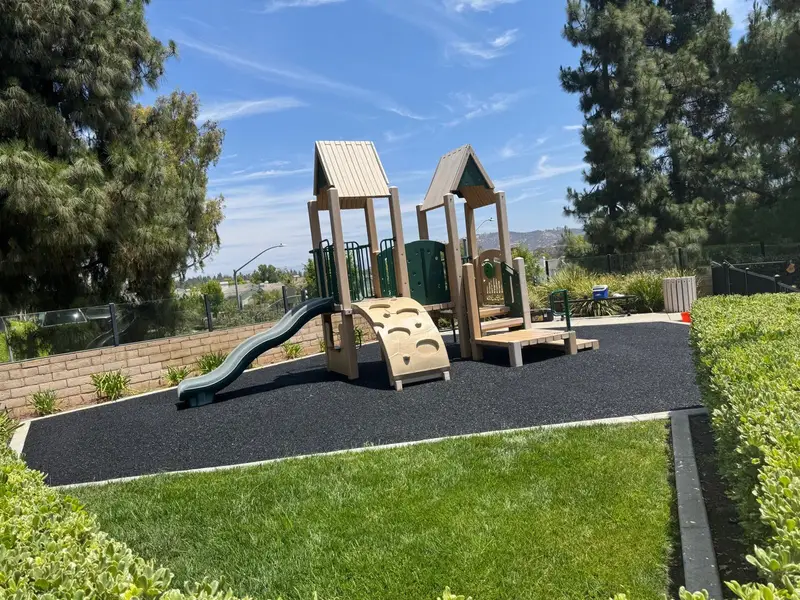
Artificial Grass for Playgrounds, School Yards and Backyard Play Areas
A clean, green play surface with cushioning, drainage and low maintenance, planned around equipment and fall heights.
Quick answer
Artificial grass for playgrounds combines durable turf with a shock absorbing pad over a compacted, well-drained base to create a soft, clean play surface. Fall height, equipment layout and drainage drive the design. Turbo Surfacing is licensed, bonded and insured, and builds play areas for schools, churches, parks, homes and apartment communities.
Key takeaways
- Shock pads match equipment fall height.
- Drainage keeps play areas safe and clean.
- Borders keep surfacing in place.
- Regular inspections keep the surface safe.
Playground surfaces get used harder than almost anything else outdoors. Mud, bark chips and bare dirt make a mess, while hard surfaces make falls worse.
This page explains how turf play areas are built, what protects children and how to keep the surface clean.
Where turf play areas fit
Schools, preschools, churches, parks, apartment courtyards and backyards all use turf play areas. It works around swing sets, climbers, slides, sandboxes and small sports courts. In shaded corners where grass never grew, turf turns bare dirt into a clean, usable space.
We start by mapping equipment, paths, shade and drainage so the design fits real use.
Fall height and cushioning
Every play structure has a fall height, which is the highest point a child could fall from. The surface under it must absorb impact for that height. Turf alone is not enough, so we add a shock pad or engineered base layer sized to the equipment.
We review manufacturer data for each structure and tell you honestly if a different surface, such as poured rubber, is the better choice.
Shock pad options
Pads come in foam, rubber and engineered panel forms. Each has a thickness and impact rating, and different products suit different heights and budgets. Pads are installed over a smooth base, with seams taped and edges sealed.
We bring samples so you can feel the difference and discuss wear, drainage and replacement.
Base and drainage
A play area needs a flat, firm base with excellent drainage. We excavate, compact rock in layers and fine grade to shed water. Drain lines tie into existing systems where available, and the base is sized to prevent puddles near swings and slides.
Standing water makes playgrounds unsafe and unpleasant, so drainage is not an afterthought.
Working around existing equipment
Existing swing sets and climbers have posts set in concrete. We cut turf around posts with clean edges and seal the openings. Mulch and sand around equipment is removed to the depth needed for the pad and base.
If equipment needs repair or relocation, we coordinate with the installer to avoid damage.
Borders, gates and transitions
Play areas need defined borders to keep surfacing in place and block runoff. Concrete curbs, timber borders and metal edging are common. Transitions at walkways and gates are flush to avoid trips.
Neat borders also keep the area looking maintained.
Cleaning and hygiene
Turf can be rinsed and brushed, and it avoids the muddy tracking that comes with dirt and wood chips. Mild soap and water handle spills, and pet waste is removed promptly. For high use areas, a regular cleaning schedule keeps the surface fresh.
We provide a care sheet that staff or families can follow.
Heat and shade
Turf can get warm in direct sun, especially in dark colors. Shade structures, trees and lighter turf help. Cooling infill and a quick rinse before use reduce surface temperature.
We discuss orientation and sun angles during the site walk so equipment and shade work together.
Schools and daycare centers
Schools and daycare centers look for surfaces that handle rain, daily use and cleaning. Turf keeps shoes cleaner and reduces mud brought indoors. Colored zones, game lines and numbers can be added for activities.
We schedule work during breaks and weekends, keep the site secure and provide documentation that administrators expect.
Churches and community centers
Church yards and community centers host children on weekends and during events. A turf play area stays green year round and is easy for volunteers to maintain. We coordinate access, parking and noise around services.
Budget phases are common, and we help groups plan the work in stages.
Backyard play areas
Families install turf play areas under swing sets, near trampolines and along sandbox borders. A soft, clean surface lets children play in all seasons. We include pads where heights require them and keep surfaces away from hot patio edges.
Neighbors often appreciate the tidy look too.
Accessible play and wheelchair routes
Inclusive play needs smooth routes and stable surfaces. Turf over a firm base supports wheelchairs, walkers and strollers better than loose chips. We plan entrance paths, transitions and clear spaces at the equipment.
Discuss your needs early so the layout works for every child.
Sandboxes and sensory areas
Sandboxes, water tables and sensory gardens can sit beside turf with the right borders. We use edging to keep sand out of the turf and drains to keep wet areas from flooding. Rinsing the turf near sand areas keeps grit from building.
Planning these details avoids surprise maintenance later.
Inspection and maintenance
Inspect play surfaces regularly for gaps, lifted seams, worn pads and debris. Brush fibers, top up infill and fix small issues quickly. Keep records of inspections and repairs.
We can provide a checklist and offer seasonal visits for schools and parks.
Planning zones for different ages
Toddlers, grade school children and teenagers use space differently. Young children need low equipment, soft surfaces and clear sightlines for adults. Older children want room to run, climb and kick a ball. We sketch zones for each group, with paths and benches that let adults supervise without crowding the equipment.
Separating zones also reduces collisions and keeps wear from concentrating in one place.
Colors, lines and games
Turf can carry more than green. Colored blends, hopscotch grids, four square boxes, tracks and number paths turn a flat yard into a teaching and play tool. Lines are inlaid rather than painted, so they stay crisp under heavy use.
Teachers often ask for a small area of bright color near the entrance, which helps younger children find their way and gives the yard a friendly look.
Wear patterns and long-term planning
Spots under swings, at the bottom of slides and along entry paths wear first. We plan for this by using extra cushioning in those areas and keeping spare turf and infill from the original dye lot. Replacing a worn panel is much easier than redoing the whole yard.
A simple maintenance log, kept by the school or property manager, helps spot trouble early and plan budgets with confidence.
Shade structures and seating
Sails, canopies and mature trees make a play area usable at midday. We place posts where footings will not interfere with the pad or fall zones. Benches along the edge give caregivers a place to sit, and a few boulders or logs add natural climbing for older children.
Seating near shade also encourages adults to stay and supervise.
Hardware, gaps and routine checks
Loose bolts, exposed footings and gaps at borders cause many playground injuries. We check hardware around the equipment, cover footings and keep transitions flush. A monthly walk through the play area, looking for lifted seams or worn spots, takes only a few minutes and prevents most surprises.
Getting an estimate
Our artificial grass cost guide explains what moves the price. Send photos and rough dimensions through the free estimate form and we respond within 24 hours. Site walks are available the next day or later, depending on availability, and you receive a written scope after the visit.
What to know before you start
Review how portable play items will be secured without improvised stakes through the turf. Record the approved fixing detail alongside the equipment and surface layout.
Frequently Asked Questions
Sources
Last reviewed:
By Turbo Surfacing Solutions team · Planning updated:
KEEP EXPLORING.
Other Southern California surfacing projects we specialize in — handpicked because they share the same materials, standards, or installation crew as this page.
Related Artificial Grass & Resources
Sibling services, cities where we install this, and blog posts that go deeper.
More Artificial Grass
- Artificial Grass InstallationProfessional Installation
- Turf Installation ProcessOur Process
- Artificial Grass MaintenanceMaintenance Guide
Get a Quote for Playground Artificial Grass
Get a free, no-obligation estimate for your project. Our team responds within 24 hours.
Get Playground Turf Quote