- Licensed CA Contractor·
- ADA Compliant Installs·
- Serving All of Southern California·
- Free Estimates·
- Licensed, Bonded & Insured
Artificial Turf Sports Fields for Schools, Parks and Clubs
Playable surfaces for soccer, football, lacrosse and practice fields, built on a drainage base and planned for heavy use.
Quick answer
An artificial turf sports field replaces worn natural grass with a surface that drains quickly and stays playable through heavy use. A complete system includes a graded rock base, drainage, optional shock pad, durable turf, infill and line markings. Turbo Surfacing is licensed, bonded and insured, and builds practice fields, small sided pitches and multi-sport fields.
Key takeaways
- Base and drainage decide field quality.
- Shock pads add comfort for contact sports.
- Infill affects heat and traction.
- Grooming extends field life.
Natural fields wear out where the game happens. Goal mouths turn to dirt, sidelines turn to dust and rain cancels practice. Synthetic turf spreads the use and keeps fields open.
This page explains how sports fields are built, what to consider for different sports and how to plan for upkeep and funding.
Who builds artificial turf fields and why
Schools, parks departments, clubs, churches and private academies all use turf fields. The common reasons are more playing hours, fewer cancellations and lower water and mowing costs. A turf field can host several teams a day, which natural grass cannot handle without damage.
We start by asking how many hours the field will be used, which sports and which age groups. Those answers set the turf and the base.
Soccer, football, lacrosse and multi-sport fields
Soccer favors a consistent ball roll and moderate pile. Football and lacrosse need durable fibers and strong seams for cleats and contact. Multi-sport fields combine line sets in different colors, and marking plans must be clear before turf is cut.
We review the layouts with coaches and athletic directors so lines, goals and benches are placed correctly.
Base, grading and drainage
A field starts with careful grading, often with a slight crown so water leaves the playing area. Crushed rock is compacted in layers, and drains are placed to carry water to existing storm systems or retention areas.
A field that does not drain well becomes slippery and heavy, regardless of the turf. We take time with the base because corrections later are expensive.
Shock pad and player comfort
A shock pad under the turf adds cushion, reduces impact on joints and keeps the surface consistent over time. Pads come in different thicknesses and are matched to the age group, sport and budget.
Where funds are limited, a good base with proper infill can still produce a safe field, but a pad is a worthwhile upgrade for contact sports and young athletes.
Infill choices
Infill supports the fibers and affects ball roll, traction and heat. Silica sand, coated sand, organic blends and rubber alternatives are common. Each option has trade-offs in cost, temperature and maintenance.
We explain the options in plain language and bring samples. Many schools prefer organic or sand blends for community comfort and heat control.
Line markings and logos
Lines can be sewn in, inlaid or painted. Inlaid lines last longer and keep the field sharp, while painted lines allow flexible layouts. School colors, logos and numbers can be added to the turf.
We create a layout drawing for approval so goals, penalty areas and benches are correctly placed before anything is cut.
Heat management
Synthetic fields warm in direct sun. Lighter fibers, organic infill, pre-game watering and shade structures help. We tell you honestly about surface temperatures and give scheduling tips for summer practices.
Water bottles, shade tents and rest breaks remain part of any heat plan, with or without turf.
Fencing, gates, lighting and access
A field needs sound edges, gates for maintenance equipment and clear access paths. Fences, nets and lighting are coordinated with the turf work so footings and conduits fit. We protect existing utilities and plan trenches before the base goes down.
Good access planning keeps maintenance vehicles off the playing surface.
School and district projects
School projects often involve boards, bids and approvals. We provide specifications, submittals, samples and proof of insurance, and we coordinate with district staff on schedules, background checks and campus rules.
Where public works rules apply, we maintain the documentation reviewers expect.
Funding, phasing and community support
Many fields are funded over several years. We help groups phase the work, starting with the base and drainage and adding turf, lighting or bleachers later. Clear plans and drawings support grant requests and booster campaigns.
Documented photos and results help community leaders see progress.
Maintenance and grooming
Groomed fields last longer. Staff should brush the surface, redistribute infill, remove debris and check seams. Heavy use areas such as goal mouths need extra attention. We provide a maintenance guide and equipment recommendations.
Regular care preserves performance and extends the life of the field.
Safety checks and incident planning
Fields should be inspected before each season and after large events. Staff check seams, lines, goals and surface hardness. We provide a checklist and can perform inspections on request.
Keeping records helps schools manage risk and plan repairs.
Practice areas, batting cages and warm-up zones
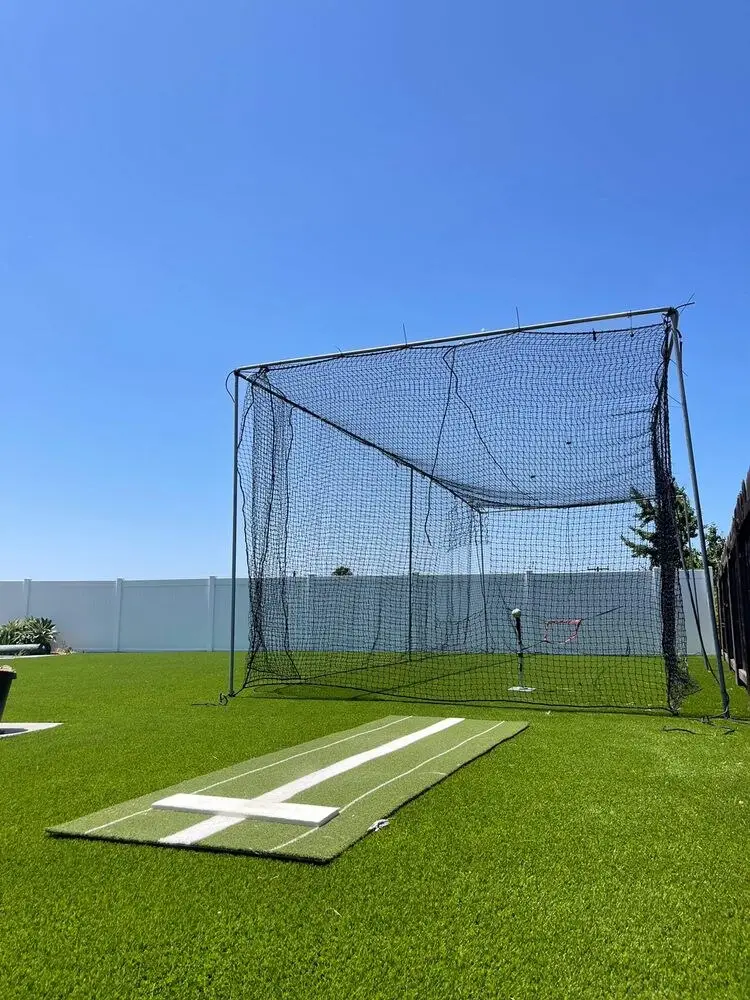
Not every project is a full field. Warm-up lanes, goalkeeper areas, practice squares and batting cages benefit from turf too. These smaller areas are often easier to fund and show quick results.
We design them to fit existing fields, fences and walkways, and tie them into drainage.
Construction timeline
A small field can take a few weeks, while full size fields take longer depending on grading, drainage and weather. We give a realistic schedule, including the inspections and sign-offs that your district handles.
We try to finish before the start of a season and keep communication open about any delays.
Rain, standing water and field closures
Natural fields close after rain because wet turf grass tears up. A well drained synthetic field typically reopens quickly after a storm, since water passes through the backing into the base. We design the slope and drains for the heaviest rain your site sees, and we check outfalls so water does not pool at the edges.
Keeping gutters, track drains and catch basins clear is part of seasonal maintenance, and we include a short checklist for facilities staff.
Goals, benches and permanent fixtures
Soccer goals, football uprights, bleachers and dugouts all need footings that do not damage the turf. Sleeves are set in the base before the turf is laid, and the turf is cut around them with a clean edge. Portable goals need weighted bases, not stakes through the surface.
We coordinate with the vendors for fixtures so everything fits the layout the first time.
Youth programs and community leagues
Youth leagues often share a field across many age groups. Shorter fibers and softer pads suit younger players, and clear field lines for each age group keep programs organized. Portable line sets or color coded inlays help volunteers set up quickly.
Booster clubs, parent groups and city staff can use our scope and drawings to plan fundraising and schedules.
Reading a field bid
Field bids vary widely in what they include. Check whether the price covers grading, drains, base depth, shock pad, infill, lines, edging, fencing changes and disposal of the old surface. A low number that leaves out drainage or base work often turns into change orders later.
We list every component and quantity in the scope, so boards and committees can compare proposals line by line.
Getting an estimate
Our artificial grass cost guide explains what moves the price. Send photos and rough dimensions through the free estimate form and we respond within 24 hours. Site walks are available the next day or later, depending on availability, and you receive a written scope after the visit.
What to know before you start
Retain the approved field-marking drawing with the turf roll layout. A future repair needs both records to restore the playing line without confusing it with a construction seam.
Frequently Asked Questions
Sources
- California Contractors State License Board license lookup
- California Department of Industrial Relations public works
Last reviewed:
By Turbo Surfacing Solutions team · Planning updated:
KEEP EXPLORING.
Other Southern California surfacing projects we specialize in — handpicked because they share the same materials, standards, or installation crew as this page.
Related Artificial Grass & Resources
Sibling services, cities where we install this, and blog posts that go deeper.
More Artificial Grass
- Artificial Grass InstallationProfessional Installation
- Turf Installation ProcessOur Process
- Artificial Grass MaintenanceMaintenance Guide
Get a Quote for Artificial Grass for Sports Fields
Get a free, no-obligation estimate for your project. Our team responds within 24 hours.
Request Field Quote