- Licensed CA Contractor·
- ADA Compliant Installs·
- Serving All of Southern California·
- Free Estimates·
- Licensed, Bonded & Insured
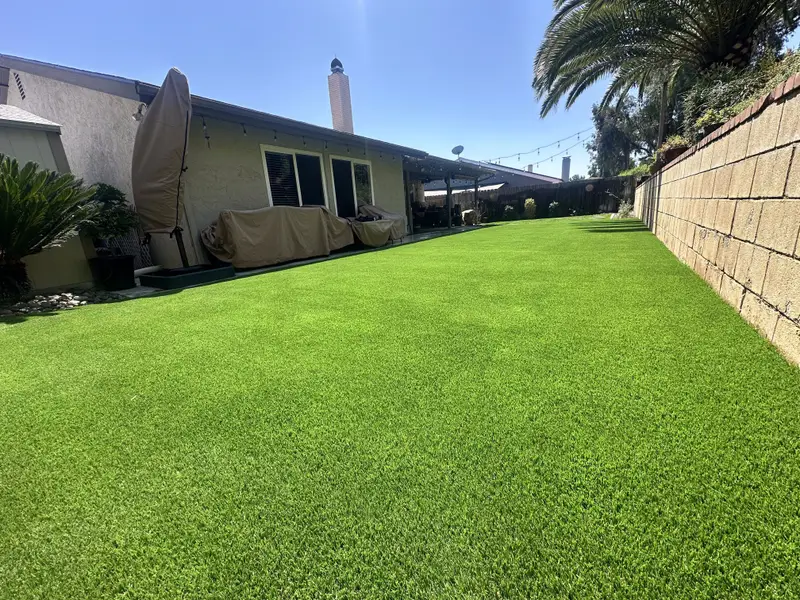
Artificial Grass for HOA Common Areas and Apartment Communities
Area by area planning for lawns, entries, play lots and pet areas before the irrigation deadlines arrive.
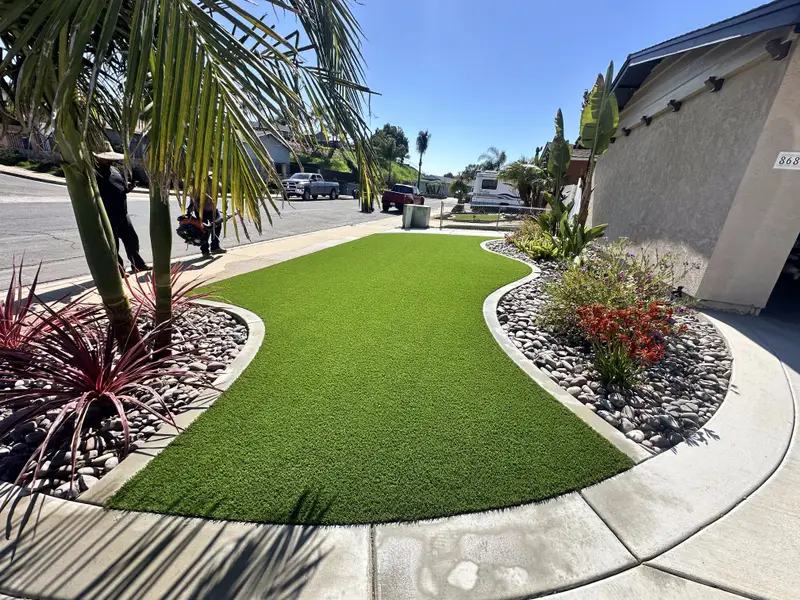
Quick answer
Turbo Surfacing installs artificial grass in HOA common areas and apartment communities where turf is used for play, pets or foot traffic. We help boards review each lawn area, plan reserves and phases, and prepare documents for approval. We are licensed, bonded and insured and respond within 24 hours.
Key takeaways
- AB 1572 ends potable irrigation of nonfunctional HOA common area turf on January 1, 2029.
- Review each lawn area separately and decide which are used and which are decorative.
- Artificial grass suits used areas, and plants suit many decorative ones.
- Put turf replacement on the reserve study schedule under Civil Code section 5550.
- Phase work by zone with resident notices and photo records.
Most HOA boards inherit a landscape they did not design. Large lawns at entries, along streets and around buildings were installed when water was cheap and lawn was the default. Now irrigation costs keep rising, residents ask what the board is doing about water and state law has added a deadline.
This page is for board members, managers and apartment owners. It explains what the law does and does not require, how to review each lawn area, how artificial grass fits alongside plants and recycled water, how to plan the reserve and the approval process and how phased installation works in an occupied community.
What the irrigation law does and does not require
AB 1572 ends irrigation with potable water of nonfunctional turf in HOA common areas on January 1, 2029. For commercial, industrial and institutional properties, the date is January 1, 2028. Nonfunctional turf generally means turf that is not used for recreation or community events, such as decorative lawn at an entry or along a street.
The law does not tell a board what to replace the lawn with. It limits what water can be used on it. Boards therefore have options: plants with efficient irrigation, recycled water where it is available, mulch and hardscape and, for areas that people actually use, artificial grass. Ask your water provider and your attorney how the rules apply to your community, because details can differ by property and by water supplier.
Review every lawn area, one at a time
Start with a map and a list. Number each lawn area and record its size, how it is used, how it is watered, who maintains it and what condition it is in. Mark whether anyone actually walks, plays or sits on it. A lawn at the community entrance that no one touches is a different case from a lawn beside the pool where children play.
Then sort the areas. Decorative areas that no one uses are usually candidates for plants or mulch. Areas that people use, such as play lawns, dog areas, pool surrounds and picnic spots, may suit artificial grass. Slopes and tight strips are often better as plants. A written inventory and an area by area recommendation give the board something concrete to vote on.
How artificial grass compares with the alternatives
Plants and efficient irrigation cool a space and can look good, but they need design, establishment time and care. Recycled water is useful where it is available, though not all communities have a connection. Mulch and hardscape use no water and suit some areas. Artificial grass uses no irrigation, keeps a green look year round and suits areas that are walked on, played on or used by pets.
Rebate programs generally pay for replacing lawn with plants. The SoCalWaterSmart program states that no synthetic turf is allowed, so plan artificial grass as a separate line in your budget and wait for written approval before removing any lawn you want a rebate for. Many communities use more than one approach in different areas.
Reserves, budgets and board approvals
Civil Code section 5550 requires a reserve study at least every three years. Common area turf and its replacement belong on that schedule, along with irrigation, walkways and play surfaces. A written scope for each area, with area, materials, base work, drainage, edges and schedule, lets your reserve specialist update the numbers.
Board approval usually needs a packet. We can provide a written scope, product information, samples, a site plan or photos with each area marked and a summary of installation and drainage. Build the meeting calendar into the schedule, because an approval that takes a month can shift an installation date.
Resident homes versus common areas
Civil Code section 4735 limits how far an association's governing documents can go in prohibiting artificial turf on an owner's own property, though reasonable standards for appearance and installation can still apply. That is a separate question from common area decisions, which belong to the board.
If your community is writing or updating architectural guidelines for homeowners, we can provide product and installation information to help the committee write sensible standards. Clear standards for color, pile height, drainage and edges reduce disputes later.
Installing in an occupied community
Common area work happens where people live. We divide the property into zones, finish one before starting the next and give managers notice language for residents. We plan around parking, irrigation shutoffs, school drop off and quiet hours, and we agree on a schedule in writing. Walkways stay open where possible, and closed areas are marked.
Each zone follows the same sequence: removal of lawn and soil to the depth the base needs, grading for drainage, a compacted aggregate base, turf, seams and edges, and cleanup. Photographs of each stage give the board and the manager a record.
Communicating with residents
Residents notice a landscape change before anyone explains it, and the board hears about it. A short, early notice helps. Explain why the community is changing the lawn, which areas are affected, what it will look like, when work will happen and who to contact. Photos or a sample at the clubhouse, a table at a meeting and a short FAQ in the newsletter answer most questions before they turn into complaints.
Residents with pets, children and mobility needs often have views about the surface. Invite them to comment early, and we are glad to attend a meeting to answer questions about installation, drainage and care.
Questions to ask contractors
Ask how deep the existing lawn will be removed and what the base is made of and how it is compacted. Ask how drainage is handled in each area and where water goes. Ask for product names, samples and written warranty terms. Ask how seams and edges are made. Ask about phasing, resident notices and how the work will be documented. Put the answers in writing so the board can compare bids on the same terms.
Maintenance and records
Artificial grass needs less work than a lawn, not none. Debris should be brushed or blown off, pet areas rinsed and seams and edges checked. Give your landscape crew written care instructions, and keep the product name, installation date and warranty paperwork in the community's records. Warranty terms vary by product and system and are provided in writing with each estimate.
When management changes, pass the documentation along. Having the terms, the dates and the product information on hand makes any future repair faster.
Cost and next steps
Our artificial grass cost guide explains what moves a turf price, and the artificial grass hub covers installation in more detail. Send photos and rough dimensions through the free estimate form and we respond within 24 hours. Site walks are available the next day or later, depending on availability, and you receive a written scope after the visit. Send your lawn map or a list with photos and we will tell you what we see.
What to know before you start
Keep a common-area drawing showing irrigation shutoffs and utility access with the turf handover record. Mark where later planting or service work would disturb the turf so the next management team can plan access before excavation.
Frequently Asked Questions
Sources
- California Civil Code section 5550, reserve studies
- California Civil Code section 4735, artificial turf in common interest developments
- SoCal WaterSmart turf replacement program rules
Last reviewed:
By Turbo Surfacing Solutions team · Planning updated:
KEEP EXPLORING.
Other Southern California surfacing projects we specialize in — handpicked because they share the same materials, standards, or installation crew as this page.
Related Artificial Grass & Resources
Sibling services, cities where we install this, and blog posts that go deeper.
More Artificial Grass
- Artificial Grass InstallationProfessional Installation
- Turf Installation ProcessOur Process
- Artificial Grass MaintenanceMaintenance Guide
Get a Quote for Artificial Grass for HOA Common Areas San Diego
Get a free, no-obligation estimate for your project. Our team responds within 24 hours.
Request HOA Quote