- Licensed CA Contractor·
- ADA Compliant Installs·
- Serving All of Southern California·
- Free Estimates·
- Licensed, Bonded & Insured
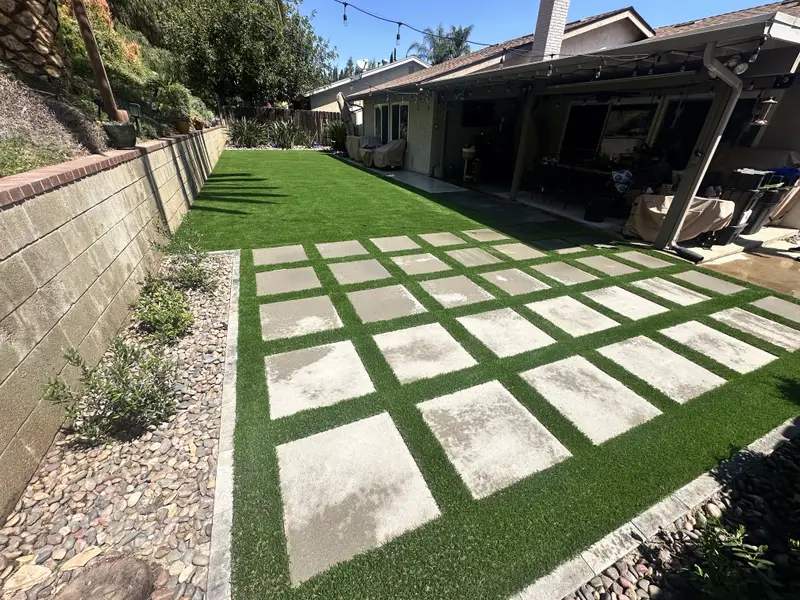
Rooftop Artificial Grass for Terraces, Amenity Decks and Penthouses
Green, usable roof space installed with the waterproofing, weight, wind and drainage details a roof demands.
Quick answer
Rooftop artificial grass is a light, perforated turf system laid over a protected roof membrane with drainage channels, secured at the perimeter against wind. It adds green, usable space without soil, irrigation or heavy planters. Turbo Surfacing is licensed, bonded and insured, and coordinates with roofers, engineers and building managers on every rooftop project.
Key takeaways
- Protect the membrane first.
- Keep drains clear and accessible.
- Secure edges against wind.
- Confirm load limits before design.
A roof is not a yard. It has a waterproof membrane that must never be punctured, a structure with limits, drains that must stay open and wind that behaves differently at height.
This page explains how turf is planned for rooftops, what to confirm before ordering anything and how to keep the roof dry and protected below the grass.
Start with the roof, not the turf
Every rooftop project begins with what is under the surface. We want to know the roof type, the age of the membrane, who installed it and who maintains it. A tired membrane should be repaired before anything is laid over it, because reaching it later means lifting the turf.
We ask for roof drawings when they exist and photograph the surface, drains and parapets during the site walk.
Weight and structural limits
Turf and a drainage layer weigh far less than soil, pavers or large planters, which is why they suit roofs. Still, every deck has a design load, and furniture, crowds and water add to it. We keep the system thin and light, and we ask building owners to confirm capacity with their structural engineer when plans call for heavier features.
Spreading weight and avoiding concentrated loads is part of the layout.
Protecting the waterproofing
The membrane is the most valuable part of a roof. We never nail, drill or glue through it. Turf is laid over a protection layer such as a drainage mat or a thin geotextile, and edges are held by ballast, perimeter trim or weighted strips set on top.
If a roofer needs access later, panels can be lifted and replaced without damaging the waterproofing.
Drains, scuppers and standing water
Roof drains carry rain away from the building, and turf must never block them. We leave a clear border around every drain and scupper, install removable access panels over them and shape the drainage layer so water flows to the outlets.
Perforated backing lets rain pass through quickly, and the mat underneath carries it along the slope to the drains without trapping moisture.
Wind uplift at height
Wind speeds climb with height, and roofs catch gusts at corners and edges. A turf system that stays flat on a patio can flutter on a tower roof. We secure edges along the whole perimeter, tighten seams with tape and adhesive and add ballast bars or trim where gusts are strongest.
On exposed terraces, we may recommend a heavier backing or a full adhesive method, depending on the roof.
Fire safety and heat sources
Rooftop grills, fire tables and heaters call for care. Turf should never sit beneath open flame, and we keep fire features on tile, pavers or metal pads with a clear margin around them. Building managers often have written rules for roof use, and we follow them.
We map seating, grills and heaters during the walk so the turf layout works with safe clearances.
Access, hoisting and staging
Getting materials up is half the work. Rolls, base materials and tools may travel by freight elevator, stair, crane or hoist. We plan routes, protect floors and doors and coordinate hours with building staff so tenants are not disturbed.
A written schedule shows when each step happens and who needs to be present.
Amenity decks for apartments and offices
Residential towers and office buildings use rooftop turf to create lounges, yoga lawns, dog relief areas and outdoor workspace. Turf gives residents a soft, green surface that does not need mowing, watering or fertilizer.
We design with the property manager, landscape architect and furniture supplier so the finished roof reads as one considered space.
Pet relief areas
Dogs in high rise buildings need a place to go. A rooftop pet area uses antimicrobial turf, a drainage mat with a slight slope and a rinse system that sends water to a roof drain. We choose infill or a no-infill setup to control odor.
Enclosed areas, doggy waste stations and a hose bib complete the space, and a regular cleaning schedule keeps it fresh.
Private penthouse terraces
Homeowners with private terraces often want a lawn above the city. Turf provides the look and the softness, while planters, pergolas and furniture add the details. We work around railings, planter boxes and door thresholds, and we avoid raising the surface above water-sensitive door sills.
Careful edge details keep the turf from backing up water at the building wall.
Surface heat and comfort
Rooftops can be hot in summer because of reflected sunlight and exposed surfaces. Lighter turf blends, shade sails, pergolas and a quick rinse reduce surface temperature. Cooling infill helps where infill is used.
We discuss sun angles and glass reflections during the site walk and suggest a layout that keeps the busiest areas comfortable.
Noise and comfort underfoot
Hard roof surfaces echo footsteps and furniture noise to the floor below. A foam or rubber underlay softens impact and reduces sound, and the turf adds a quieter, more comfortable surface for children, guests and pets.
Where tenants live directly below, the extra cushioning is often well worth including.
Installation sequence
Typical steps are inspection, cleaning, repairs to the surface, protection layer, drainage mat, turf placement, seam joining, edge securing, brushing and a final walk. Small terraces may take a day or two, and large roofs take longer.
We protect railings, doors and landscaping, haul away debris and leave the roof clean.
Care and roof checks
Sweep or blow leaves, rinse the surface and keep drains clear. After storms, check edges, seams and ballast. Lift panels near drains once or twice a year to confirm nothing is trapped underneath.
A short seasonal routine keeps the turf and the roof working together.
Layout ideas that work on roofs
Roofs reward simple layouts. A central lawn panel framed by pavers or tile keeps walkways clean and gives furniture a stable footing. Raised edges around planters and mechanical equipment show where people should and should not go, and they make maintenance easier.
Leaving a clear service lane to equipment, hatches and drains prevents trouble when technicians need access.
Lighting, power and furniture
Evening use is a big part of rooftop life. We coordinate conduit, low voltage lights and outlets with the electrician before turf goes down, so fixtures sit on trim or posts and nothing is drilled through the membrane. Heavy furniture gets wide feet or pads to spread the load.
Planning these items early avoids cutting into finished turf.
Parapets, curbs and perimeter details
Perimeter details decide whether wind and water behave. Turf turns up slightly at parapets and curbs, with trim to hold the edge and a gap that keeps it from wicking moisture against the wall. Flashing and counterflashing stay visible and accessible so roofers can inspect them.
Getting an estimate
Our artificial grass cost guide explains what moves the price. Send photos and rough dimensions through the free estimate form and we respond within 24 hours. Site walks are available the next day or later, depending on availability, and you receive a written scope after the visit.
What to know before you start
Identify where maintenance workers can place lifted drain grates while inspecting the roof. The access detail should include a safe temporary set-down point, not just a hole in the turf layout.
Frequently Asked Questions
Sources
Last reviewed:
By Turbo Surfacing Solutions team · Planning updated:
KEEP EXPLORING.
Other Southern California surfacing projects we specialize in — handpicked because they share the same materials, standards, or installation crew as this page.
Related Artificial Grass & Resources
Sibling services, cities where we install this, and blog posts that go deeper.
More Artificial Grass
- Artificial Grass InstallationProfessional Installation
- Turf Installation ProcessOur Process
- Artificial Grass MaintenanceMaintenance Guide
Get a Quote for Rooftop Artificial Grass
Get a free, no-obligation estimate for your project. Our team responds within 24 hours.
Get Rooftop Turf Quote