- Licensed CA Contractor·
- ADA Compliant Installs·
- Serving All of Southern California·
- Free Estimates·
- Licensed, Bonded & Insured
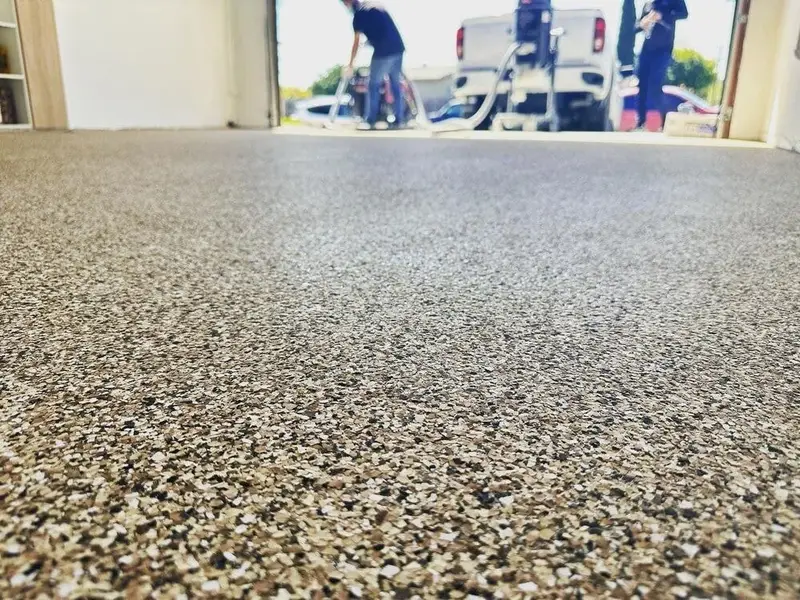
Warehouse Flooring for Forklifts, Racking and Distribution
Floor hardening, joint repair, coatings and safety striping scheduled around shipping and receiving.
Quick answer
Turbo Surfacing improves warehouse floors with grinding, joint and crack repair, sealers, hardeners, epoxy, urethane and safety striping. We plan phased work around shipping, receiving and racking so operations continue, and we match the system to forklift loads and chemicals. We are licensed, bonded and insured.
Key takeaways
- Joint repair is often the highest value warehouse floor improvement.
- Dusting concrete can be fixed with hardeners and densifiers.
- Moisture testing comes before any coating.
- Phased work keeps shipping and receiving moving.
A warehouse floor is a piece of equipment. It carries forklifts, pallet jacks, racking loads and constant movement. Cracked joints, dusting concrete and uneven slabs slow operations, damage wheels and create safety problems.
This page explains how warehouse floors fail, what repair and coating options exist and how to schedule work without stopping fulfillment.
How warehouse floors fail
Joints spall under hard wheels. Cracks open and catch pallet jack wheels. Surface dusting makes inventory dirty and slippery. Oil and chemical spills soak into concrete. Low spots hold water and cause staining.
Each problem has a different fix, so we start by walking the floor with your operations or safety team and marking issues.
Joint repair and filling
Control and expansion joints take the most abuse. Hard wheels hit joint edges and break them down. Semi rigid joint fillers support edges and keep forklifts rolling smoothly.
We clean out joints, install the right filler and trim it flush. Where edges are spalled, we repair them first. Joint work is often the highest value improvement in a warehouse.
Cracks, spalls and low spots
Cracks that do not move can be filled with rigid materials, while moving cracks need flexible fillers. Spalls and potholes are patched with repair mortar suited to traffic.
Low spots can be leveled with self leveling or patching materials where flatness matters, such as in narrow aisle racking.
Dusting concrete and hardeners
Dusty concrete sheds fine powder that gets on inventory and equipment. Densifiers and hardeners react with concrete to harden the surface and reduce dust. Polishing can further improve abrasion resistance.
These treatments are often less disruptive than full coatings and preserve the slab's traction.
Epoxy and urethane coatings
Coatings add color, seal the slab and protect against chemicals. Epoxy suits many dry warehouses. Urethane topcoats add abrasion and UV resistance. Heavy duty systems handle forklift traffic better.
Coatings need proper preparation and moisture testing. Warehouse slabs are often on grade, so vapor can be an issue.
Safety striping, aisles and wayfinding
Painted or coated lines mark aisles, walkways, hazard zones and loading areas. Durable materials last longer than paint in forklift lanes. We plan layouts with your safety team and mark docks, racking and pedestrian paths.
Good striping reduces accidents and speeds up operations.
Chemicals, batteries and oil
Battery charging areas, chemical storage and mechanical rooms need chemical resistant systems and containment details. Oil spills in forklift lanes need cleaning and sealing.
Tell us what is stored and used. We choose products rated for those chemicals and detail edges and drains properly.
Phasing around shipping and receiving
Most warehouses cannot stop. We plan work by bay, aisle or shift, moving inventory in sections and keeping docks open. Fast curing products and overnight windows reduce downtime.
A written plan shows which areas are blocked, when and for how long. We coordinate with operations, safety and carriers.
Racking, anchors and heavy loads
Racking loads concentrate on small base plates. Floors under rack need adequate flatness and strength, and anchor locations must be protected. We coordinate with racking installers so floors are ready before racks go in or are moved.
Where racks stay, we work around them and detail the edges.
Flatness and very narrow aisles
Narrow aisle forklifts and automated vehicles need flat, level floors. Grinding and leveling can improve flatness where tolerances are tight. We coordinate with equipment vendors on requirements.
We recommend verifying flatness before and after work when tolerances matter.
Cold storage and freezers
Cold storage floors face frost, condensation and thermal cycling. Systems made for low temperatures hold up better. Drains and slopes need careful detailing.
We plan installation with refrigeration teams so floors are ready before cooling resumes.
Sweeping, scrubbing and prevention
Preventive care extends floor life. Sweep and scrub regularly, clean spills quickly and replace damaged joint filler early. Use wheels and forklift tires suited to the floor.
We provide written maintenance guidance and can inspect joints and wear patterns periodically.
Loading docks, trailer approaches and dock plates
Docks take the most abuse in any warehouse. Forklift wheels pound the dock edge, trailers drop onto the slab and water runs in from the apron. Dock levelers and plates need a solid, flat landing surface, and spalled concrete shortens their life.
We repair edges, re-level approaches and seal joints. Durable coatings give grip in wet weather and mark safe zones for pedestrians. Docks work around shipping, so we schedule one door or bay at a time.
Battery charging, EV and equipment areas
Charging stations for forklifts and electric vehicles create spill and safety concerns. Battery acid, water from cleaning and heat all affect floors. Chemical resistant coatings and containment curbs protect the slab and help crews respond to spills.
Tell us about equipment pads and charging layouts. We coordinate with electricians and safety teams so coatings are installed before equipment is relocated, and we leave anchor locations clear.
Mezzanines, pick modules and automation
Warehouses increasingly use mezzanines, conveyors and automated vehicles. These systems demand flat, stable floors and clear anchor locations. Slab edges, patches and joint conditions can interfere with automated guided vehicles.
We coordinate with integrators on flatness requirements and measure before and after repairs. Where tolerances are tight, we recommend verifying results with the equipment vendor.
Lease turnover, restoration and move in
Industrial tenants often need to restore floors at lease end or prepare a new space for operations. We can document existing conditions, repair damage and refresh surfaces so the property meets lease terms.
Early inspection helps both sides. Landlords and tenants can agree on what needs repair, and we provide a written scope with photos. For move ins, we plan work around fit out, racking and approvals held by other trades.
Dust control, ventilation and clean operations
Dust, fumes and debris matter in warehouses that store food, medical supplies or electronics. We use vacuum grinders, containment and ventilation, and we schedule work around sensitive inventory.
Hardeners and sealers reduce airborne concrete dust after the work, which helps cleanliness and equipment life. Tell us about product sensitivities so we can protect stock and plan clean up.
Safety, training and site rules
Warehouse sites have strict rules for forklift traffic, PPE and lockout. Our crews follow your site rules, attend safety briefings and coordinate with your safety lead. Pedestrian walkways, barricades and spotters keep everyone clear during work.
Share your site safety orientation requirements early, so our crew arrives prepared and the schedule includes time for check in and daily briefings.
Prioritizing repairs when the budget is limited
Not every warehouse can fix everything at once. We help rank repairs by safety, equipment damage and downtime. Joint repair in main aisles and dock approaches often comes first, followed by cracks, dusting and striping.
A phased scope lets you spread work across quarters. We note which items are urgent and which can wait, so budget decisions are based on risk instead of guesswork.
Getting an estimate
Our epoxy floor cost guide explains what moves the price. Send photos and rough dimensions through the free estimate form and we respond within 24 hours. Site walks are available the next day or later, depending on availability, and you receive a written scope after the visit.
What to know before you start
Mark pallet turning and temporary storage zones on the warehouse drawing. A planned aisle can become a concentrated contact point when loading queues spill into it.
Frequently Asked Questions
Sources
Last reviewed:
By Turbo Surfacing Solutions team · Planning updated:
KEEP EXPLORING.
Other Southern California surfacing projects we specialize in — handpicked because they share the same materials, standards, or installation crew as this page.
Related Epoxy & Concrete Polishing & Resources
Sibling services, cities where we install this, and blog posts that go deeper.
Get a Quote for Warehouse Flooring
Get a free, no-obligation estimate for your project. Our team responds within 24 hours.
Get Warehouse Quote