- Licensed CA Contractor·
- ADA Compliant Installs·
- Serving All of Southern California·
- Free Estimates·
- Licensed, Bonded & Insured
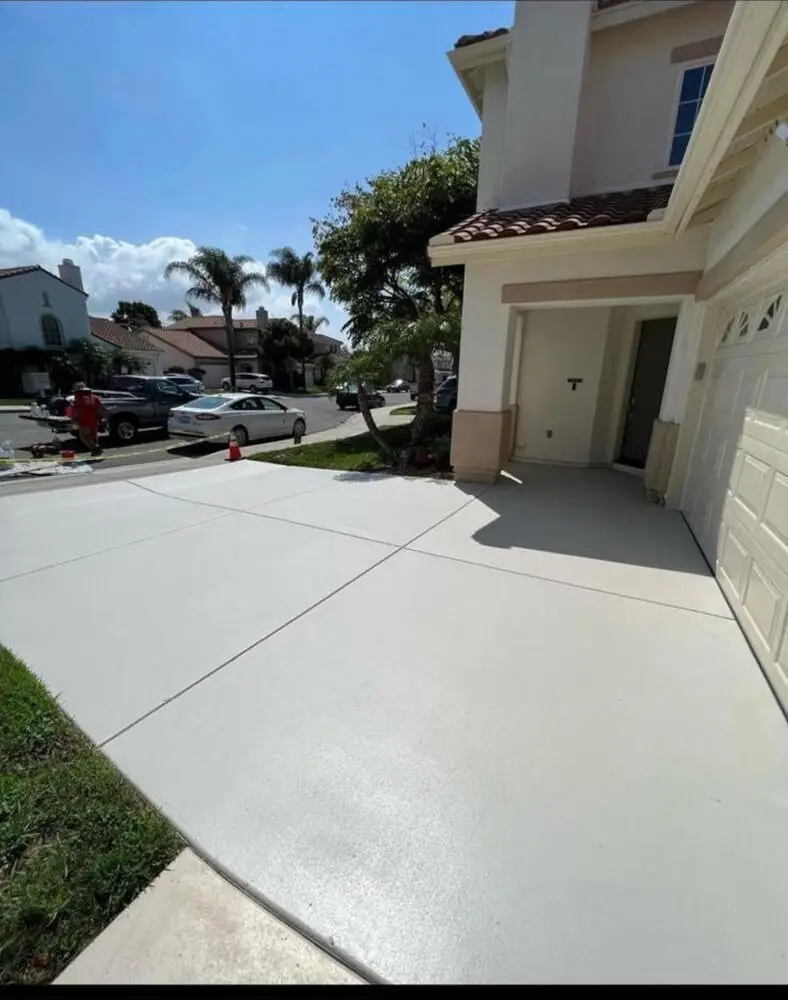
Parking Structure Coatings for Decks, Ramps and Garages
Waterproof traffic coatings, crack repair and joint work that protect the structure and keep vehicles moving.
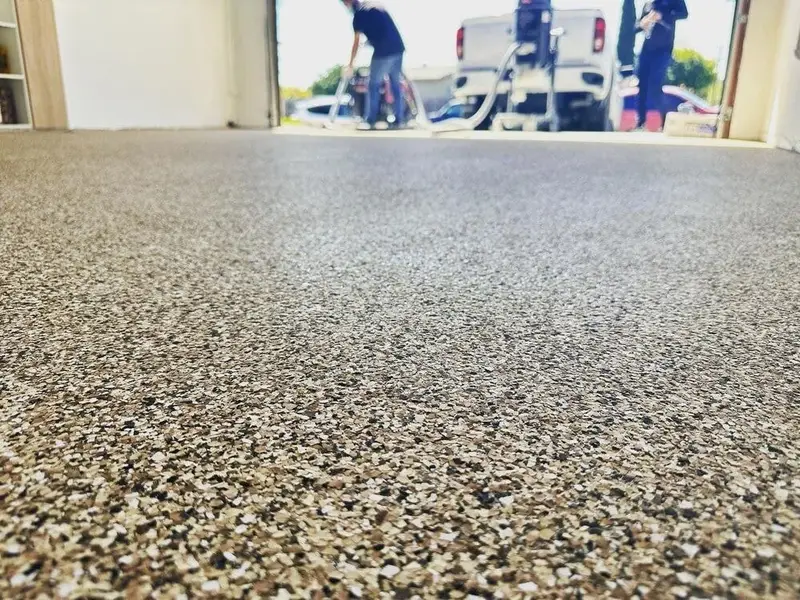
Quick answer
Turbo Surfacing repairs and coats parking structure decks, ramps and drive lanes with traffic membranes, sealers and joint systems that keep water out of the concrete. We phase work by level and bay so parking stays available. We are licensed, bonded and insured.
Key takeaways
- Water is the main enemy of a parking structure.
- Traffic membranes, joints and cracks work as a system.
- Phased work keeps parking available.
- Annual inspections find problems early.
A parking structure works hard every day. Tires grind the surface, rain finds every crack and the sun heats and cools the deck again and again. Left alone, water reaches the steel inside the concrete and damage grows quietly.
This page explains how traffic coatings, crack repair and joint work protect a structure, and how we keep parking in service while the work happens.
How water damages a parking deck
Concrete is porous, and cracks let water in. Once moisture reaches reinforcing steel, the steel rusts and expands, pushing the concrete apart. That process creates spalls, rust stains, leaks onto cars below and eventually costly structural repairs.
A good protection program keeps water out. Traffic membranes, sealed joints and repaired cracks form a barrier, and good drainage moves water away before it can pond. Early work costs far less than repair after the damage spreads.
Traffic membranes and deck coatings
A traffic membrane is a flexible, waterproof coating applied to the deck surface. It bridges small cracks, resists tire wear and gives a clean look. Systems often include a primer, a base coat, an aggregate for traction and a wear topcoat.
Different membranes suit different decks. Exposed top levels need strong ultraviolet resistance and traction. Covered levels may need a lighter system focused on cleanliness and appearance. We evaluate each level separately.
Crack repair and routing
Not all cracks are equal. Hairline cracks may only need sealing, while wider moving cracks need routing and flexible fillers that handle movement. Static cracks can receive rigid epoxy injection, which restores strength.
We map the cracks, test which are moving and choose repair methods to match. Skipping this step is a common reason coatings fail early, because moving cracks reflect through a membrane that was not designed for them.
Expansion joints and control joints
Joints let the structure move with temperature changes. Failed joint sealant lets water pour through, staining walls and damaging cars below. Hard, cracked sealant is a sign it is time for replacement.
We remove old sealant, clean and prepare the joint edges and install new sealants or preformed systems suited to the movement. Proper joint depth and backer materials matter, so the sealant stretches instead of tearing.
Spalls, delamination and patching
Where concrete has already broken off, we remove loose material, clean exposed steel and rebuild the area with repair mortars. Sounding with a hammer or chain drag reveals hidden delaminated areas that look fine on the surface.
Patches must bond well and match the surrounding surface so the coating performs evenly. If steel damage is severe, we recommend that a structural engineer review the area before we proceed.
Drainage, slopes and ponding
Standing water speeds up coating and concrete damage. We look for clogged drains, low spots and areas where water collects against walls or curbs. Cleaning drains and adjusting transitions can help, and in some cases we add leveling materials to improve slope.
A deck that drains well stays drier, lasts longer and is safer to walk and drive. We include drainage notes in our estimate so owners understand what the coating can and cannot fix.
Traction, ramps and pedestrian paths
Ramps and turn lanes need traction, especially when wet. A broadcast aggregate in the membrane gives grip for tires and shoes. Pedestrian paths, stair landings and elevator lobbies may use finer textures that are easier to clean.
We choose the profile by location and discuss how it changes cleaning. Clear striping and arrows, applied after the coating, help drivers and pedestrians move safely.
Keeping parking available
Parking is revenue, so we phase work by level, bay or lane. We use barriers, signs and cones, coordinate with attendants and keep accessible stalls and emergency routes open as long as possible.
Fast curing materials reduce downtime, and we schedule noisy or odorous work for quieter hours when we can. A written schedule shows exactly which areas close and when they return, so tenants and customers know what to expect.
Striping, numbering and signage
When a deck is coated, stalls, arrows, numbers and accessible markings need to be restored. We lay out stripes to match your existing plan or help revise the layout to improve flow and stall counts.
Fresh, high contrast markings make a structure feel safer and easier to use. We coordinate with your signage vendor so painted legends, wall numbers and wayfinding signs all agree.
Inspection and ongoing maintenance
A simple annual inspection finds small problems before they become large. We look at joints, drains, cracks, coating wear and signs of leaks below, then recommend focused repairs. Keeping a record helps budgeting and shows trends over time.
Regular sweeping and washing remove grit and salt that wear coatings. A maintenance plan that fits your staff and budget extends the life of the structure and the coating.
Salts, oils and cleaning chemicals
Parking decks collect oil drips, brake dust, road salts and cleaning products. Over time these materials stain the surface and attack unprotected concrete. A sealed membrane resists absorption and cleans more easily, which keeps the deck looking fresh and reduces slippery film.
We recommend regular sweeping and periodic washing, and we advise against harsh acids that can damage coatings. Where mechanical rooms or fuel storage sit nearby, we choose a topcoat suited to those fluids.
Roof decks, covered levels and ground floors
Each level of a structure has different exposure. The roof level takes sun, rain and heat, and needs the strongest waterproofing and ultraviolet resistance. Middle levels see less sun but still need protection from leaks. Ground floors may deal with soil moisture and oil from vehicles entering from the street.
We specify systems by level rather than using one approach everywhere. That saves money in lightly exposed areas and puts durability where it counts.
Stair towers, elevator lobbies and pedestrian areas
Pedestrian areas deserve attention too. Stair treads, landings and lobbies need slip resistant surfaces, clear nosing and coatings that clean easily. A durable urethane or epoxy system with fine aggregate gives grip and a finished appearance.
We coordinate with property managers on lighting and signage so the new coating works with the rest of the space. A well finished stair tower makes the whole structure feel safer.
Documentation, photos and condition reports
We photograph conditions before we start, record crack maps and note repair quantities, so owners and managers understand what was done and where. After the work, we provide a summary of products used, areas completed and care guidance.
That record helps with budgeting, insurance conversations and future maintenance. Many owners keep it alongside engineering reports for the structure.
Getting an estimate
Our epoxy floor cost guide explains what moves the price. Send photos and rough dimensions through the free estimate form and we respond within 24 hours. Site walks are available the next day or later, depending on availability, and you receive a written scope after the visit.
What to know before you start
Locate movable signs and ticketing equipment on the parking-phase plan. Agree where they can be staged without loading a newly coated bay that remains closed to vehicles.
Frequently Asked Questions
Sources
Last reviewed:
By Turbo Surfacing Solutions team · Planning updated:
KEEP EXPLORING.
Other Southern California surfacing projects we specialize in — handpicked because they share the same materials, standards, or installation crew as this page.
Related Epoxy & Concrete Polishing & Resources
Sibling services, cities where we install this, and blog posts that go deeper.
Get a Quote for Parking Structure Flooring
Get a free, no-obligation estimate for your project. Our team responds within 24 hours.
Get Parking Quote