- Licensed CA Contractor·
- ADA Compliant Installs·
- Serving All of Southern California·
- Free Estimates·
- Licensed, Bonded & Insured
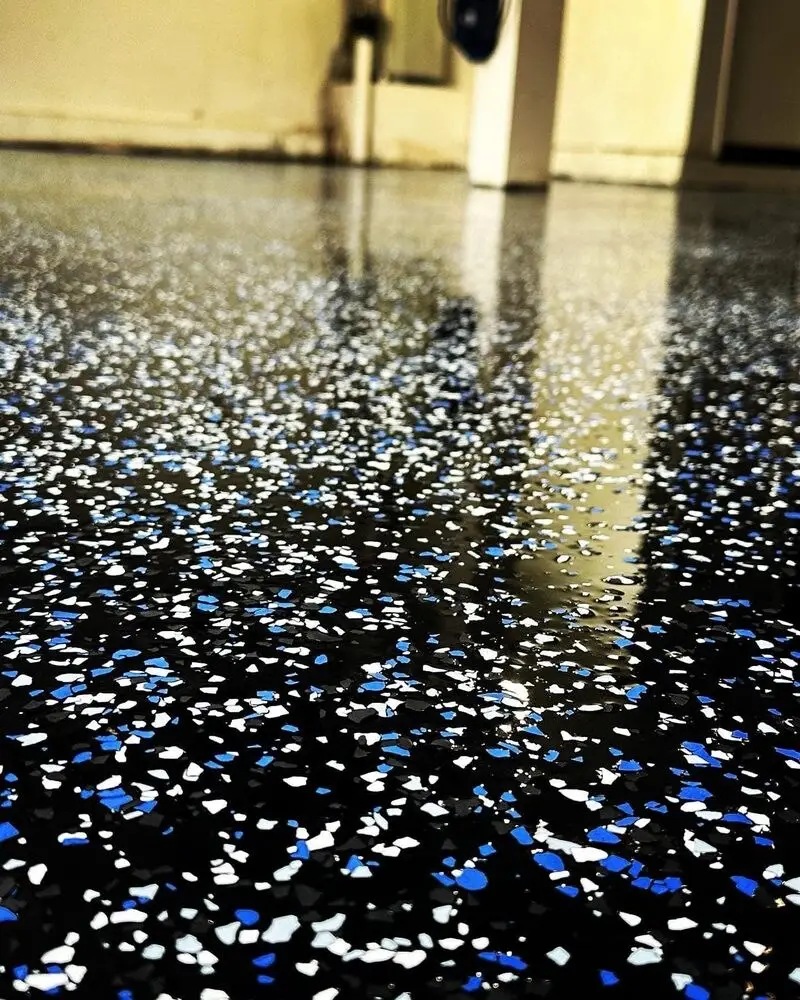
School Flooring for Hallways, Cafeterias, Gyms and Restrooms
Durable, slip resistant and easy to clean floors scheduled around the school calendar.
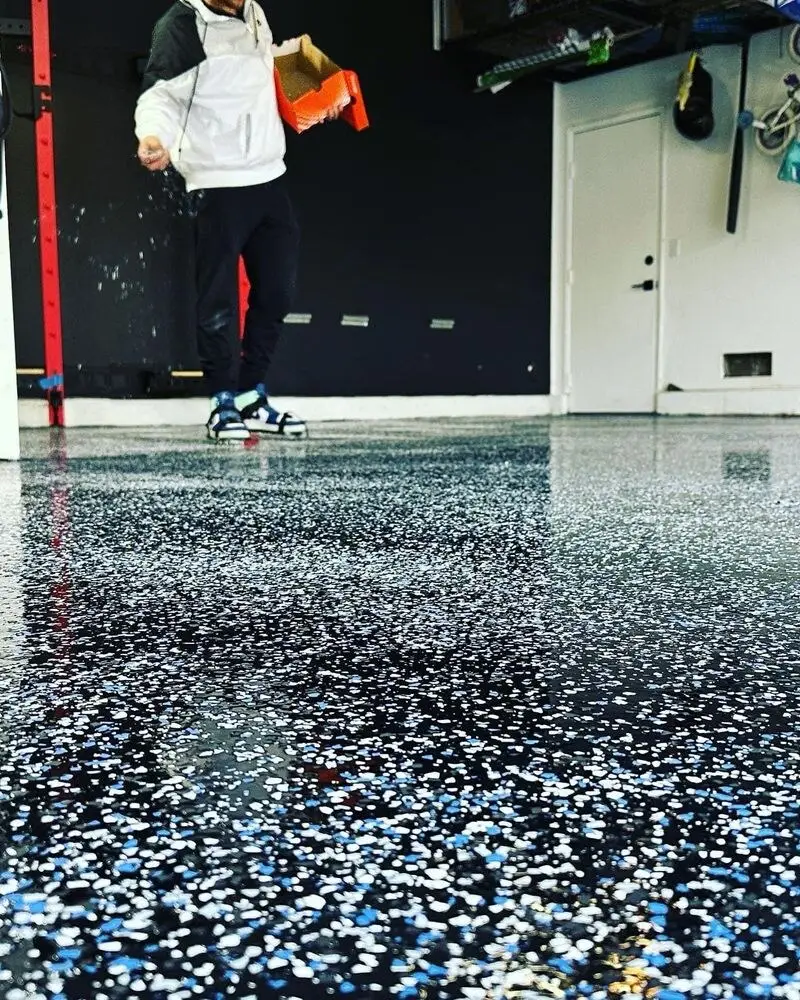
Quick answer
Turbo Surfacing installs polished concrete, epoxy and urethane floors in schools, from hallways and cafeterias to gyms, labs and restrooms. We schedule work for summer, holiday and weekend windows, control dust and odor, and finish areas so they are ready when students return. We are licensed, bonded and insured.
Key takeaways
- Each school zone needs its own floor system.
- Summer and holiday windows need early planning.
- Dust and odor controls protect occupied buildings.
- Clear scopes support district review.
School floors take a daily beating. Thousands of shoes, backpacks, carts, spills and cleaning cycles wear down weak finishes, and every hallway has to be safe for running, wet and crowded days.
This page explains how floors differ across a campus, which systems suit each space and how to plan installation around a school calendar that leaves little room for delay.
One campus, many floor needs
Hallways need grip, durability and a look that is easy to maintain. Cafeterias see food, drinks and constant cleaning. Gyms need impact resistance and a surface that suits the activity. Labs and art rooms see chemicals and stains. Restrooms need moisture protection and traction.
We map the campus and recommend a system for each zone rather than one product everywhere.
Hallways and common areas
Polished concrete or a durable coating suits long hallways because it resists scuffs and cleans quickly. A satin finish reduces glare and hides marks better than a mirror shine.
Color can support wayfinding, with borders, school colors or zone markers. We test sheen and traction with wet shoes in mind, since entry hallways get tracked in water and mud.
Cafeterias and kitchens
Cafeteria floors take spills, milk, sugar and constant mopping. Seamless coatings with fine texture work well, with coved bases at walls to keep liquids out of joints.
Kitchens behind the serving line need heavier systems for heat, grease and washdowns. We coordinate with food service staff and plan work for closed periods.
Gyms, locker rooms and multipurpose rooms
Gym floors have specific needs. Many are wood or sport surfaces that we do not touch, while concrete areas near them, such as lobbies, weight rooms and locker rooms, need durable coatings.
Locker rooms and showers need traction and sealed joints. Weight rooms need impact resistance and a floor that tolerates dropped plates and rubber marks.
Science labs, shops and art rooms
Labs and shops see acids, solvents, paint and oils. Chemical resistant topcoats protect the slab, and coved edges keep spills out of walls. Wood and metal shops need impact and abrasion resistance.
We ask which chemicals are used and select systems accordingly, and we can include safety striping for work zones.
Restrooms and locker areas
Restrooms need moisture control, traction and floors that clean easily. Seamless systems with coved bases limit grout lines and odor. Drains and slopes are checked carefully.
Because restrooms are small and heavily used, we plan quick, low odor work during breaks so rooms are back in service before students return.
Planning around the school calendar
Summer is the main window, with winter break and long weekends as smaller windows. Delivery dates, curing time and inspections all need to fit before the first day of school.
We recommend starting planning early, even months ahead, so scopes, approvals and materials are ready. Our schedules list start dates, cure times and the date each area is ready for students.
Dust, odor and safety
Even in summer, buildings are not empty. Custodians, summer programs and staff may be present. We use vacuum grinders, barriers and ventilation, and we choose low odor products for occupied buildings.
Areas are cleaned and checked before handover. We give a re-entry schedule so custodial teams know when to start their summer deep clean.
Scopes, approvals and public projects
Public schools often need written scopes, approvals and documentation for boards and facilities teams. We write clear scopes with areas, products, preparation and schedule, and we provide product data for review.
Public works rules vary by project, so we recommend confirming requirements with your district before bidding. We can explain what we provide and what you need to supply.
Slab condition and older buildings
Older campuses may have settled slabs, patched trenches and adhesives from earlier flooring. We evaluate each area, test for moisture and repair cracks and low spots before coating.
Where conditions are poor, we explain options, including phased repairs and the likely life of each system, so you can plan budgets honestly.
Traction, accessibility and safe transitions
Students run, carry books and use mobility aids. Floors need consistent traction and smooth transitions between flooring types. We detail thresholds so they are level and visible.
If you are planning accessibility upgrades, coordinate the schedule so transitions are built once.
Maintenance for custodial teams
A good floor program includes the right cleaners, equipment and routines. We provide written guidance for custodial staff, including products to avoid and how to handle spills.
Periodic burnishing or topcoat refresh keeps high traffic corridors looking right. Early reports of damage allow small repairs.
Locker rooms, weight rooms and athletic support spaces
Athletic buildings take heavy moisture and impact. Locker room floors stay damp, collect soap and hair and need sloped drains and sealed joints. Weight rooms see dropped plates, rolling carts and sweat. Training rooms need floors that clean quickly between teams.
We recommend textured, seamless systems for wet zones and tougher, thicker coatings for weight areas. Rubber flooring is often installed over concrete in weight rooms, and a sealed slab beneath it protects against moisture. We coordinate with athletic directors so the work finishes before seasons begin.
Working with district facilities teams
District maintenance teams know their buildings well, and their input saves time. We walk campuses with facilities staff, learn which rooms fail first, and ask about past repairs, leaks and adhesives. That history often explains why a coating failed before.
We also follow district rules for badges, background checks, work hours and storage. Tell us what applies at your site early, so our crews arrive with the right paperwork and the schedule accounts for check in time, fire watch rules or locked areas.
Phasing projects across budgets and years
Few districts fund everything at once. A phased plan can start with the worst floors, such as flooded restrooms, cracked cafeteria slabs and high traffic corridors, and continue in later summers. A consistent color and finish family keeps phases looking planned instead of patched.
We write a scope for each phase and record the products and colors installed so later work matches. If funding depends on grants, bond measures or board votes, we help you prepare clear descriptions and schedules for approval.
Walkways, covered corridors and outdoor learning spaces
Many campuses have breezeways, covered walks, courtyards and outdoor classrooms. These areas face rain, sun and heavy foot traffic and need traction in every season. Sealed concrete, textured coatings and stains can refresh worn walkways and brighten courtyards.
We repair trip hazards, seal cracks and plan drainage so puddles do not collect at doorways. Outdoor learning spaces benefit from durable, comfortable surfaces that stay safe when wet and are easy to clean after events.
Getting an estimate
Our epoxy floor cost guide explains what moves the price. Send photos and rough dimensions through the free estimate form and we respond within 24 hours. Site walks are available the next day or later, depending on availability, and you receive a written scope after the visit.
What to know before you start
Identify the storage route for classroom furniture during floor work. Ask staff where stacked items will wait so an adjacent finished corridor is not used as an unplanned staging area.
Frequently Asked Questions
Sources
Last reviewed:
By Turbo Surfacing Solutions team · Planning updated:
KEEP EXPLORING.
Other Southern California surfacing projects we specialize in — handpicked because they share the same materials, standards, or installation crew as this page.
Related Epoxy & Concrete Polishing & Resources
Sibling services, cities where we install this, and blog posts that go deeper.
Get a Quote for School Flooring
Get a free, no-obligation estimate for your project. Our team responds within 24 hours.
Get School Quote