- Licensed CA Contractor·
- ADA Compliant Installs·
- Serving All of Southern California·
- Free Estimates·
- Licensed, Bonded & Insured
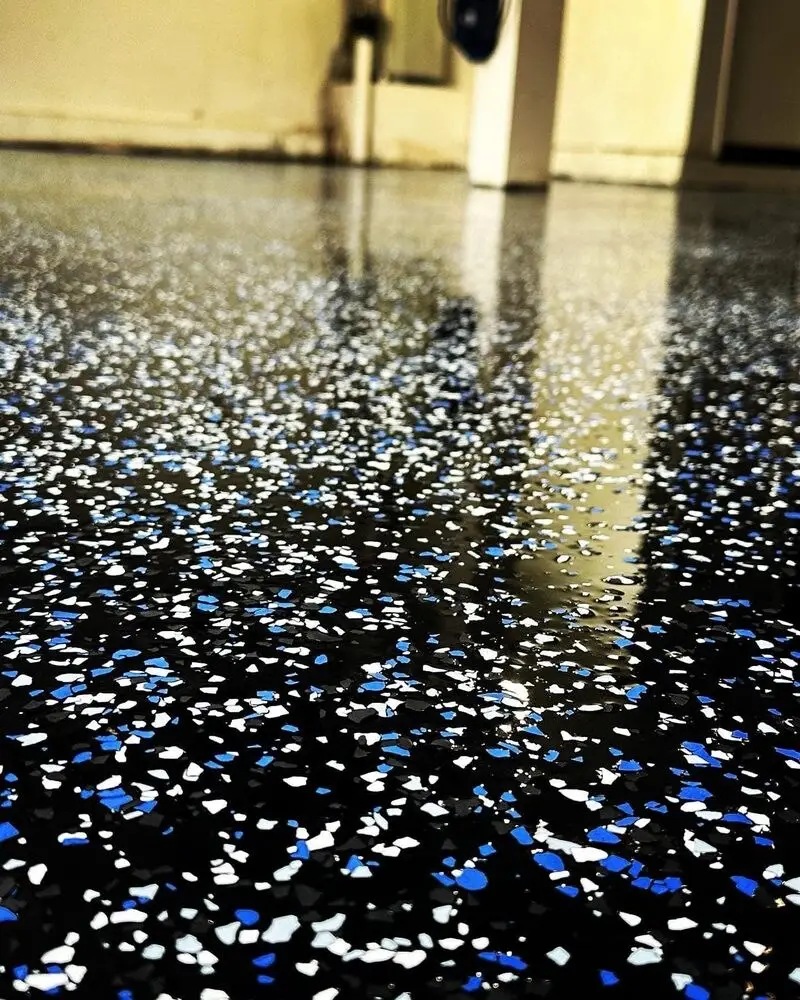
Commercial Kitchen Flooring for Heat, Grease and Daily Washdowns
Seamless, cleanable floor systems for restaurants, catering kitchens, commissaries and food production spaces.
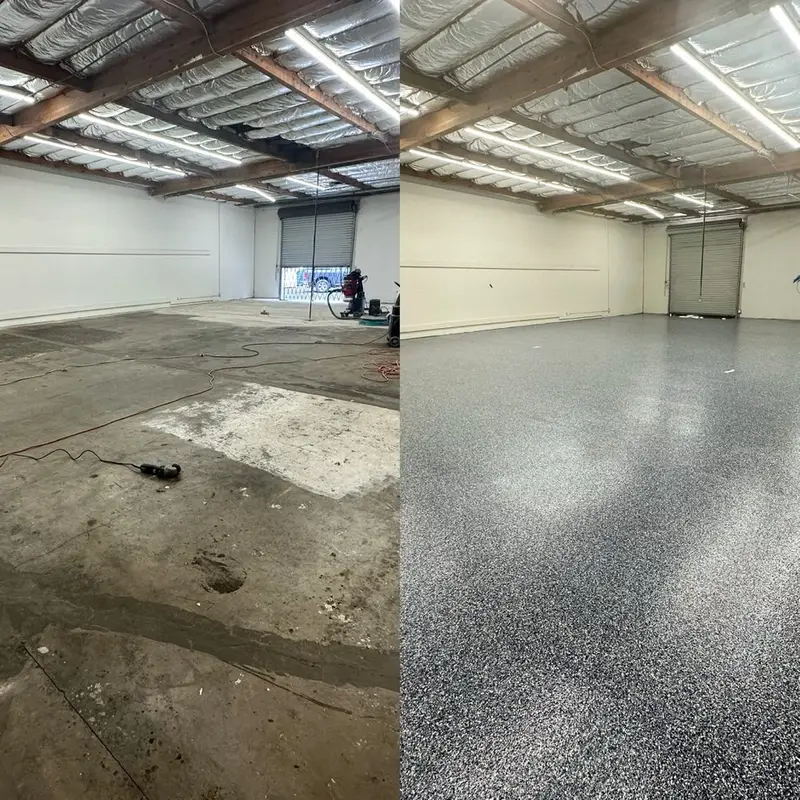
Quick answer
Turbo Surfacing installs seamless floor systems in commercial kitchens, including urethane cement, epoxy quartz and polyaspartic options. The right system depends on temperature, chemicals, moisture and drainage. We prepare the slab, detail drains and coved edges, and coordinate downtime with your operation. We are licensed, bonded and insured.
Key takeaways
- Heat, grease and washdowns decide which kitchen system works.
- Drains, slopes and coved bases matter as much as the coating.
- Contaminated slabs need grinding and degreasing before coating.
- Phased work and fast curing products shorten downtime.
Commercial kitchens attack floors from every direction. Steam and hot water expand and contract the surface. Grease and acids soften weak coatings. Heavy equipment concentrates loads, and daily washdowns drive water into any weakness.
This page explains what to ask for in a kitchen floor, how common systems compare and how to plan an installation that does not shut you down longer than necessary.
What a kitchen floor has to survive
The list is long: hot cooking oil, boiling water, steam, harsh degreasers, ice melt carried in from loading docks, dropped pans and rolling racks. Add constant moisture, and any weak point in the floor becomes a place for bacteria to grow.
A kitchen floor also needs to be slip resistant, seamless, coved at the walls and sloped to drains. These details matter as much as the material.
Urethane cement for the toughest kitchens
Urethane cement is a thick, heat tolerant system that handles thermal shock, grease and constant cleaning. It is commonly used in dish rooms, cook lines, walk ins and food production areas. It cures into a dense, seamless surface, with texture added for traction.
It also carries more cost and requires skilled installers, so we recommend it where conditions warrant it and explain when a lighter system will do.
Epoxy quartz and other alternatives
Epoxy with quartz gives a hard, textured floor suited to prep areas, dry storage and dining rooms. It resists many chemicals, but extreme heat and steam can limit its lifespan in cook line areas.
Polyaspartic topcoats add UV stability and faster return to service. In some kitchens, a hybrid works best: urethane cement where it is hottest and wettest, epoxy quartz elsewhere, so you spend where it matters.
Drains, slopes and coved bases
Water has to go somewhere. We check slope toward drains, because low spots hold water and degrade any coating. Where slope is wrong, we can adjust with leveling materials before coating.
Floor drains, sinks and trench drains are detailed so the coating meets the drain cleanly and does not leave gaps. Coved bases curve the floor up the wall to eliminate corners where soil collects, and sealed wall joints keep moisture out of the wall.
Preparing a contaminated slab
Kitchen slabs hold years of grease. Oil that has soaked into concrete prevents bonding if it is not treated. We grind the surface, degrease, test difficult areas and remove old tile, sheet flooring or failed coatings.
Moisture and vapor must be checked too, especially in slab on grade buildings. If readings are high, we adjust the primer or system to suit. Cracks and joints are repaired or detailed with flexible materials where the slab moves.
Planning around your operation
Commercial kitchens rarely have a quiet week. We plan phased work, temporary cooking arrangements and closure windows with you. Some projects work well over a long weekend, while larger ones are split into sections.
We provide a written schedule and a clear list of what you need to provide, such as emptying a walk in or moving a line. Cure times are real, so we tell you when carts, hot cleaning and full operation can resume.
Safety and ventilation during installation
Coatings release vapors during application and cure. We ventilate work areas, manage fumes and coordinate with neighbors in shared buildings. Gas and water lines near equipment need careful handling by the right trades.
Food safety is part of the plan. We seal work areas from active food zones, control dust and clean thoroughly before you re-enter. If you have inspections coming up, tell us the date and we plan around it.
Cleaning and maintenance
Daily care keeps a kitchen floor working. Use cleaners recommended for the system, avoid abrasive pads that wear texture and rinse thoroughly. Squeegee water toward drains, and replace worn mats.
We give written instructions and recommend periodic inspection of edges, drains and high wear lanes. Early repairs of chips or lifting prevent bigger failures.
Thermal shock and why floors crack
Hot water poured onto a cold floor causes rapid expansion and contraction. Rigid coatings can crack or delaminate under repeated shock, especially near dish machines, kettles and steam outlets. Urethane cement is designed to move with that stress, while thinner coatings may not.
We ask where hot water lands, how often and how hot, and match the system thickness to the exposure. Pointing out the worst spots helps us place the strongest system where it matters.
Walk in coolers and freezers
Walk ins combine cold, condensation and wheeled traffic. Standard coatings can become brittle in low temperatures, and ice at thresholds is a hazard. Systems made for cold storage hold up better and can include traction aggregates.
Thresholds and door tracks need careful detailing so water does not run into the cooler. We coordinate with refrigeration contractors on sequencing so the floor is not damaged afterward.
Equipment bases, curbs and anchors
Kitchen equipment sits on curbs, bases and anchors that need coating and sealing too. Cracks around bases catch moisture and food. We seal and cove around equipment where it can be moved, and detail around fixed items so there are no gaps.
If you are replacing equipment soon, tell us. It is easier to finish the floor once the new layout is set.
Cleaning chemicals and compatibility
Degreasers, sanitizers and acid based cleaners all affect coatings differently. A product that works well for one system can dull or soften another. We ask for your chemical list and match topcoats to your routine.
Training staff on dilution and rinsing helps as much as the coating itself. A short guide at the dish station can prevent damage.
Retrofits in occupied food service buildings
Many commercial kitchens are in older buildings with limited access, shared walls and tenants nearby. Noise, dust and odor need to be controlled so neighbors are not affected. We plan equipment access, protect shared corridors and keep waste out of food areas.
For commissaries and ghost kitchens running multiple tenants, we coordinate schedules so one operator's shutdown does not shut down the others.
Hoods, grease traps and the floor around them
Hood lines, grease interceptors and trench drains concentrate grease and water in predictable spots. The floor near them wears first and gets the harshest cleaning. We reinforce those zones with thicker systems and extra texture, and we keep access covers and cleanouts reachable.
If your hood or grease line is being serviced, schedule floor work after that trade is finished so the coating is not damaged by heavy equipment or chemical spills.
Light, color and visible cleanliness
A lighter floor color shows grease and spills quickly, which helps crews clean. Dark floors hide soil but also hide hazards. Many kitchens choose a mid tone with a speckled texture that balances visibility and forgiveness.
Bright overhead lighting changes how color looks, so we test samples under your kitchen lights.
Preparing for inspections and audits
Floors are one of the first things reviewers notice. Cracked tile, open joints, missing coves and standing water raise concerns. A seamless, coved floor with clean drains shows care and supports your cleaning routine.
We cannot speak for any inspector, so we suggest reviewing expectations with them and sharing the scope with your food safety lead before work begins.
Getting an estimate
Our epoxy floor cost guide explains what moves the price. Send photos and rough dimensions through the free estimate form and we respond within 24 hours. Site walks are available the next day or later, depending on availability, and you receive a written scope after the visit.
What to know before you start
Map movable kitchen equipment in both its working and cleaning positions. The floor review should include the exposed strip behind it rather than treating that strip as permanently inaccessible.
Frequently Asked Questions
Sources
Last reviewed:
By Turbo Surfacing Solutions team · Planning updated:
KEEP EXPLORING.
Other Southern California surfacing projects we specialize in — handpicked because they share the same materials, standards, or installation crew as this page.
Related Epoxy & Concrete Polishing & Resources
Sibling services, cities where we install this, and blog posts that go deeper.
Get a Quote for Commercial Kitchen Flooring
Get a free, no-obligation estimate for your project. Our team responds within 24 hours.
Get Kitchen Quote