- Licensed CA Contractor·
- ADA Compliant Installs·
- Serving All of Southern California·
- Free Estimates·
- Licensed, Bonded & Insured
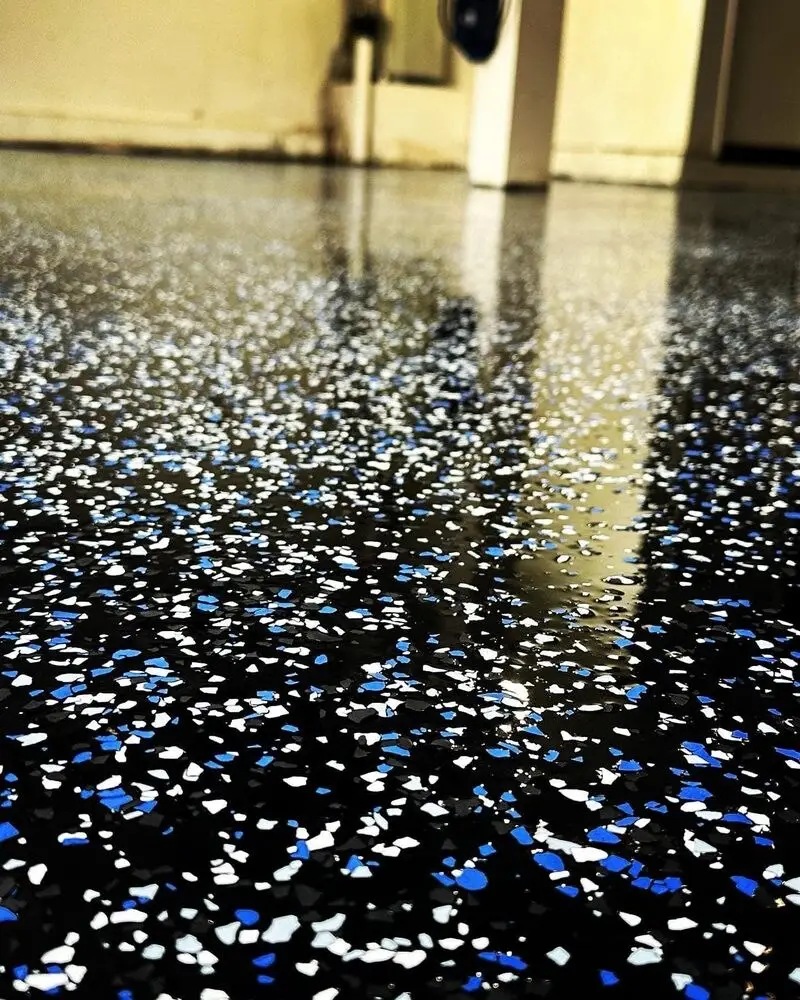
Restaurant Flooring for Dining Rooms, Bars and Back of House
Slip resistant, easy to sanitize floors planned around service hours, deliveries and inspections.
Quick answer
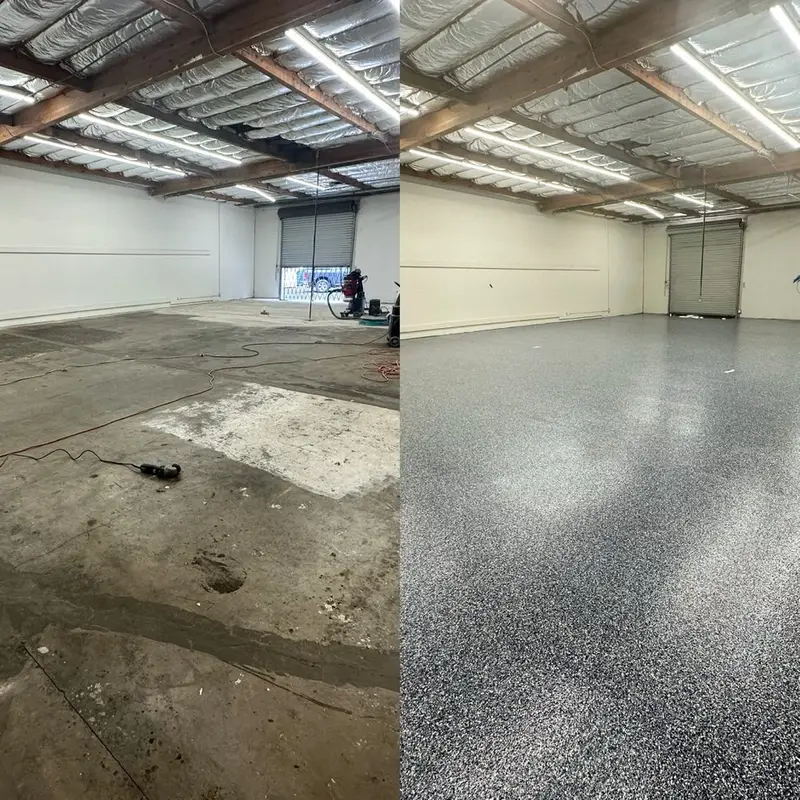
Turbo Surfacing installs epoxy, polyaspartic and polished concrete floors in restaurants, from dining rooms and bars to prep areas and entries. We plan the work around service hours, choose grip and cleaning performance by zone, and schedule phases so you lose as few days as possible. We are licensed, bonded and insured.
Key takeaways
- Different restaurant zones need different floor systems.
- Texture should give staff grip and still allow thorough cleaning.
- Phased work around service hours limits lost days.
- Coved bases and sealed joints keep liquids and pests out.
A restaurant floor works harder than almost any other surface in a commercial building. It is mopped daily, splashed with grease and sugar, hit by hot pans and rolled over by carts. It also has to look good in the dining room and feel safe underfoot for staff who move fast.
This page explains how we think about restaurant floors zone by zone, what disrupts a kitchen schedule and how to plan the work so service resumes quickly.
One restaurant, several floor problems
Entries need traction in wet weather and a finish that hides tracked in grit. The dining room needs a look that suits the brand, comfortable footing and a surface that is easy to wipe between seatings. The bar sees spills, ice and sticky residue. Prep and dish areas see hot water, grease, caustic cleaners and heavy equipment. Walk in coolers add cold, condensation and constant wheeled traffic.
No single coating is best everywhere, so we map the zones and recommend a system for each one. Often the same color family runs through the whole restaurant while texture and thickness change by zone.
Systems that suit restaurants
- Polished or sealed concrete works well in dining rooms and entries when the slab is sound. It is part of the slab, resists scuffs and is simple to maintain.
- Epoxy with flakes or quartz gives a thicker, textured film for prep areas, dish rooms and walk ins. Quartz adds durable grip.
- Polyaspartic or urethane topcoats add UV stability and chemical resistance where sun reaches the floor or cleaners are harsh.
- Urethane cement is a heavy duty option for wet, hot kitchens that see thermal shock from steam and hot water.
We explain why each is recommended for each zone and what it means for upkeep.
Traction, cleaning and food safety
A floor that is perfectly smooth is easy to mop and dangerous when wet. A floor that is too rough traps grease and soil. We aim for a texture that gives staff grip in wet and greasy zones while still allowing a mop and a deck brush to clean it properly.
Coved bases, sealed wall joints and sealed drains keep liquids from creeping behind equipment where they attract pests. Food safety inspectors look at how floors and wall bases are finished, so we detail these edges with care and talk through your inspection priorities before we start.
Preparation, grease and old tile
Restaurant slabs are often contaminated. Grease soaks into concrete near fryers and dish stations, and old quarry tile or sheet flooring may sit over adhesives and failing grout. All of this affects bonding.
We remove old surfaces, grind the slab, treat grease and fill low spots and cracks before coating. Where grease has soaked deeply, we test small areas first and tell you if staining may remain faintly visible. Moisture checks matter too, especially in older buildings and slab on grade units.
Working around service hours
Most restaurants cannot close for a week. We plan the work in phases, often starting with the kitchen on a closed day, then moving to the dining room and bar. Fast curing systems and overnight work can cut downtime when the product allows it.
We give you a written phase plan that shows what area is closed when, how equipment will be moved and when deliveries can resume. We also coordinate with your general contractor, landlord and health inspection schedule when a remodel is under way.
Moving equipment and protecting what stays
Cooking lines, walk ins and dish machines cannot always be lifted out. We plan around the equipment you can move, coat to the edges of what stays and detail the transitions so the floor looks finished. Utilities such as gas and water lines may need to be disconnected and reconnected by licensed trades, and we help sequence that.
We protect kept equipment, walls and finished surfaces from dust, overspray and drips, and we keep the job site clean so your staff can start cleaning right away.
Look and brand in the dining room
Restaurants are visual. Polished concrete with exposed aggregate suits a modern look. Metallic epoxy can create a bar top or entry that feels one of a kind. Solid colors and borders mark zones and guide guests.
We bring samples to the site so you can see how a finish looks under your actual lighting. Dim dining rooms and bright front windows change how color reads, so we test before committing.
Daily care and long term wear
A good restaurant floor is easier to clean, not maintenance free. Sweep before mopping, use the right cleaner and avoid strong solvents that attack coatings. Mats at the dish station and in front of fryers reduce wear and fatigue, and walk off mats at the door catch grit.
We give written care instructions and are available to inspect wear patterns. Spot repairs are easier than redoing a section, so report chips or lifting early.
Bars, ice and sticky spills
Bar floors take sugar, citrus, beer and melted ice all night. Sticky residue attracts dirt and makes mopping slow. A sealed surface with a fine texture lets crews rinse and squeegee quickly, and a slightly darker color hides the wear lanes behind the bar.
Rubber mats are common behind the rail, and they trap moisture against the floor. We plan the coating so it tolerates mats and encourage lifting them during cleaning, since trapped water shortens the life of any finish.
Patios, entries and outdoor dining
Outdoor dining areas need a finish that handles sun, rain and grease. Entries need traction when guests walk in with wet shoes. We use UV stable, textured coatings or sealed concrete with added grip, and we plan slopes so water leaves the area.
Planters, heaters and furniture bases can mark finishes. We talk through the layout and suggest protective pads so patio floors stay attractive through the season.
Floors during a remodel or tenant move in
New tenants often discover floor problems after walls come down: old adhesives, patched trenches for plumbing and uneven slabs. We can survey a space before you sign a lease or set a remodel schedule, so you know what preparation the slab will need.
If your general contractor is trenching for drains or grease lines, the floor work follows that trade. We coordinate the order so patches are cured and ground before the final finish goes on.
Mats, drains and wear lanes
Where staff stand all day, anti fatigue mats help comfort and protect the floor. At fryers and dish stations, drains and wear lanes show up first. We recommend where thicker systems or extra topcoat make sense and where a mat is the better investment.
Walk the kitchen with us and point out where the floor fails now. Those spots tell us more than any catalog.
Getting an estimate
Our epoxy floor cost guide explains what moves the price. Send photos and rough dimensions through the free estimate form and we respond within 24 hours. Site walks are available the next day or later, depending on availability, and you receive a written scope after the visit.
What to know before you start
Approve the dining-floor sample with chairs drawn back from tables. Their travel paths deserve review separately from the aisle shown on the seating plan.
Frequently Asked Questions
Sources
Last reviewed:
By Turbo Surfacing Solutions team · Planning updated:
KEEP EXPLORING.
Other Southern California surfacing projects we specialize in — handpicked because they share the same materials, standards, or installation crew as this page.
Related Epoxy & Concrete Polishing & Resources
Sibling services, cities where we install this, and blog posts that go deeper.
Get a Quote for Restaurant Flooring
Get a free, no-obligation estimate for your project. Our team responds within 24 hours.
Get Restaurant Quote