- Licensed CA Contractor·
- ADA Compliant Installs·
- Serving All of Southern California·
- Free Estimates·
- Licensed, Bonded & Insured
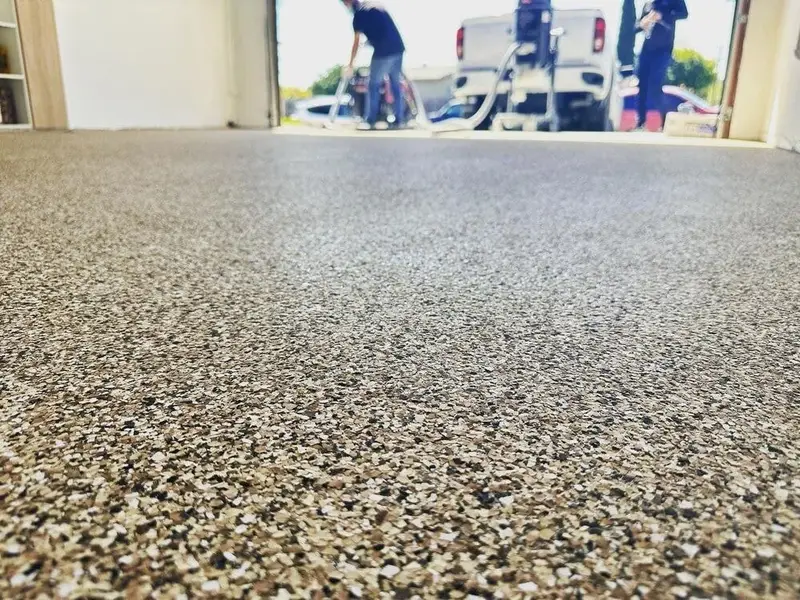
Manufacturing Floor Coatings for Assembly, Precision and Light Production
Seamless, cleanable floors for assembly lines, workcells, labs and packaging areas, installed around your production plan.
Quick answer
Turbo Surfacing installs seamless epoxy, urethane and polished concrete floors for light manufacturing, assembly, electronics, packaging and precision shops. We plan work by cell or line, control dust and odor, and match systems to cleanliness, chemicals and equipment loads. We are licensed, bonded and insured.
Key takeaways
- Seamless floors clean quickly and keep debris out.
- Static control systems protect electronics.
- Phased work keeps production moving.
- Fluids and loads decide the system.
Manufacturing floors are judged by more than strength. Operators stand on them all shift, parts roll across them, and a single spilled lubricant or stray chip can slow an entire line.
This page covers how we choose floor systems for assembly, precision and light production spaces, and how we schedule the work so output keeps moving.
Light manufacturing and assembly spaces
Light manufacturing covers a wide range of work, from electronics and medical devices to furniture, apparel, food packaging and custom fabrication. These buildings often have smaller machines than heavy plants, but the floor still needs to be flat, bright, clean and resistant to the products in use.
We start by touring the space with your operations lead. We note where parts move, where people stand for long periods, where fluids are used and where cleanliness matters most. That walk shapes the system, the texture and the schedule.
Seamless surfaces and easy cleaning
Cracked tile, open joints and worn paint trap dirt and make cleaning slow. A seamless epoxy or urethane floor leaves no place for debris to hide, and a smooth finish wipes up quickly with an auto scrubber or mop.
Cove bases carry the coating up the wall so washdowns and spills do not creep behind equipment. Light colors improve visibility, which helps inspectors and operators see small parts or drips. We pick the texture to balance grip with cleaning time, because a heavy profile grips well but takes more effort to clean.
Operator comfort and fatigue
People who stand all day feel the floor in their legs and back. Hard concrete transmits every step, while a slightly resilient coating system or cushioned mat zones at workstations can reduce fatigue.
We can combine a durable epoxy or urethane in the main aisles with softer surfaces at fixed stations. Anti fatigue mats still have a place, but a floor that already has a comfortable feel makes them easier to manage. We talk through the trade offs with your safety and operations leads, because cushioned areas also need to stay stable for carts and pallet jacks.
Dust control and cleanliness
Dust from old coatings, shedding concrete or worn tile can contaminate products, clog filters and settle on instruments. A sealed, hardened surface sheds far less than bare concrete.
Where products are sensitive, we sequence the work so cleaning is part of the plan. That can include containment barriers, HEPA vacuums on grinders, negative air where appropriate and a final wipe before coating. We agree with you on how clean is clean before the project starts, so the handover matches what your quality team expects.
Lubricants, solvents and process fluids
Cutting oils, coolants, adhesives, cleaners and solvents all attack floors in different ways. Some soften common epoxies, while others stain or etch bare concrete.
We ask for safety data sheets for the fluids used and note where spills happen. Then we choose an epoxy, novolac or urethane system suited to that exposure, with topcoats that resist staining and clean easily. Near wash stations or tank fill points, we add slope, drains or berms so fluids go where you want them rather than under equipment.
Machines, anchors and heavy cells
Even a light manufacturing floor may carry heavy presses, machining centers or ovens. We check slab thickness and condition under those machines, repair cracks and joints and avoid coating over loose or delaminating concrete.
Where machines will be moved or added later, we recommend durable zones with extra thickness or a harder topcoat. We coordinate with riggers and installers so anchors, grout pads and leveling plates are handled before the coating goes down, not cut through it afterward.
Static control and sensitive electronics
Electronics assembly, labs and some packaging spaces need static control. A conductive or dissipative floor system carries charge safely to ground, reducing the risk to components and the annoyance of shocks.
These systems use special primers, grounding connections and topcoats that must be installed carefully. We review your requirements, test readings after installation and provide written results. Cleaning products can affect performance, so we include guidance on what to use and what to avoid.
Lean layouts, striping and floor graphics
A floor can help run the plant. Color coded lanes, workcell outlines, tool shadows, safety zones and aisle markings support lean and five S programs, and they make it easy for new employees to understand the layout.
We stripe and mark after the coating cures, and we can use durable coatings so lines resist forklift and cart traffic. If layouts change often, we discuss which lines should be permanent and which should use removable tape or a repaintable system.
Scheduling around production
Most manufacturers cannot stop everything for a floor project. We phase work by cell, line or bay, build temporary walkways and keep material paths clear. Fast curing systems return areas to service sooner, and weekend or overnight shifts can protect production hours.
We provide a written schedule that shows which area closes when, how long it stays closed and what your team needs to move. Daily check ins keep supervisors informed, so changes in orders or maintenance can be handled calmly.
Preparation and old coatings
The coating is only as good as the surface under it. We grind or shot blast to remove old paint, adhesives and contamination, repair cracks and spalls and test for moisture and oil.
If tile or thick old coatings are present, we assess whether to remove or overlay them. Good preparation prevents peeling, bubbling and early wear, and it often matters more than which product is chosen. We explain the plan before work begins and show samples of the profile we expect.
Maintenance and long term performance
Sweeping removes grit that wears the coating, and scheduled scrubbing keeps the finish bright. We give you care instructions with approved cleaners and pads, and we suggest quick spill cleanup habits.
Over time, high traffic lanes may need a refresh coat. A periodic walk with your facilities team catches chipped joints or worn spots early, when repair is quick and inexpensive, and it keeps the floor working as a tool rather than a problem.
Receiving, shipping and material paths
Receiving and shipping areas take the heaviest cart, pallet jack and forklift traffic in a manufacturing building, and they are often where floor damage starts. Dock plates, door thresholds and joint edges chip under repeated impact, and water from open doors makes surfaces slick.
We repair spalls, fill joints with a semi rigid filler and use a tougher topcoat in these lanes. A lighter system can serve office and assembly areas, so the budget goes where the wear is. Clear lane markings help drivers and pedestrians share space safely.
Getting an estimate
Our epoxy floor cost guide explains what moves the price. Send photos and rough dimensions through the free estimate form and we respond within 24 hours. Site walks are available the next day or later, depending on availability, and you receive a written scope after the visit.
What to know before you start
Bring labels for process liquids that may reach the manufacturing floor. Product compatibility should be reviewed against those actual materials rather than an undefined chemical-resistant finish request.
Frequently Asked Questions
Sources
Last reviewed:
By Turbo Surfacing Solutions team · Planning updated:
KEEP EXPLORING.
Other Southern California surfacing projects we specialize in — handpicked because they share the same materials, standards, or installation crew as this page.
Related Epoxy & Concrete Polishing & Resources
Sibling services, cities where we install this, and blog posts that go deeper.
Get a Quote for Manufacturing Flooring
Get a free, no-obligation estimate for your project. Our team responds within 24 hours.
Get Manufacturing Quote