- Licensed CA Contractor·
- ADA Compliant Installs·
- Serving All of Southern California·
- Free Estimates·
- Licensed, Bonded & Insured
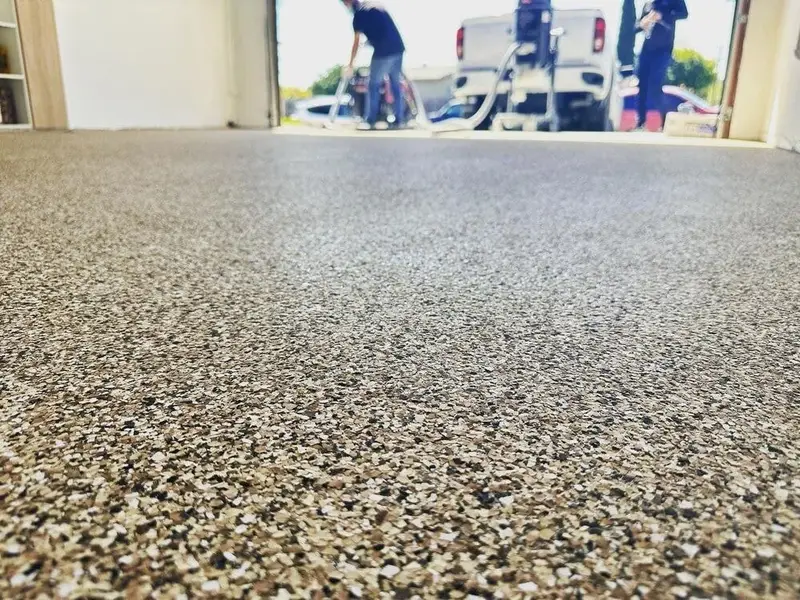
Industrial Flooring for Plants, Yards and Heavy Duty Facilities
Concrete repair, hardening and heavy duty coatings for facilities that cannot afford downtime.
Quick answer
Turbo Surfacing restores and protects industrial concrete with joint repair, crack repair, grinding, hardeners, sealers, epoxy, urethane and secondary containment details. We plan phased work around operations and match each system to loads, chemicals and temperature. We are licensed, bonded and insured.
Key takeaways
- Industrial floors fail at joints, from dusting and from chemicals.
- Joint maintenance works best as a recurring program.
- Operating temperatures change which systems work.
- Repair often costs less than replacement when slabs are sound.
Industrial floors fail in predictable ways: joints break down, surfaces dust, oil soaks in and slabs crack. Each failure costs time, tires, product and safety.
This page explains what typically goes wrong, how repairs and coatings address it and what to plan for before work begins.
Types of industrial facilities
Industrial includes a wide range of buildings: fabrication shops, recycling yards, cold storage, distribution centers, utility yards and heavy equipment facilities. Each has a different mix of loads, chemicals and temperatures.
We start by learning how your site operates, then recommend systems that fit your actual conditions rather than a generic specification.
Abrasion, impact and wheel traffic
Steel wheels, tracked equipment and dragged loads abrade concrete. Impact from dropped materials chips edges and creates spalls. Hard, dense surfaces resist wear better.
Densifiers, hardeners and polishing increase surface hardness. Heavier systems such as epoxy mortars and urethane cement handle abrasion and impact in demanding areas.
Joint maintenance as a program
Joint maintenance is not a one time fix. Fillers wear, shrink and fail. Regular inspection and re-filling prevent edge damage and equipment wear.
We can set up a joint maintenance schedule by zone, so you inspect and repair on a regular cycle instead of waiting for failures.
Oil, fuel and chemical spills
Oil and fuel soak into concrete and weaken coatings. Spill containment, sealers and chemical resistant coatings protect slabs and help crews clean up. Secondary containment details reduce spread.
We discuss spill response plans with your safety team. A floor that is easy to clean encourages faster response.
Outdoor yards, pads and wash areas
Outdoor industrial pads face sun, rain, tire traffic and chemicals. Joint sealing, crack repair and surface treatments protect against water intrusion and cracking from repeated wetting and drying. Wash areas need slope and drains.
We repair and seal pads, improve drainage and plan traffic lanes so wear is spread evenly.
Cold storage and temperature extremes
Low temperature floors face condensation and thermal cycling. High temperature areas face softening and thermal shock. We select systems designed for those ranges and detail joints and drains.
Tell us the operating temperatures. A coating that works at room temperature may fail in a freezer.
Phasing around operations
Industrial sites run continuously. We plan work by bay, lane or shift. Heavy repairs use weekends or shutdowns. We keep egress, fire lanes and critical equipment accessible.
Our written schedule includes barricades, spotters and daily briefings so everyone knows where work is happening.
Site rules, hot work and confined spaces
Industrial sites have rules for lockout, hot work, confined space entry and PPE. Our crews follow your orientation and work plans. We coordinate with your safety lead on approvals and access.
Tell us early about special procedures, because they affect crew size and schedule.
Testing, documentation and quality control
We document surface preparation, moisture readings, product batches and cure conditions. Photos and daily logs show the work. For critical areas, we recommend adhesion or hardness testing agreed with your team.
Documentation helps future repairs and supports quality programs.
Weighing repair versus replacement
Replacing slabs is disruptive and expensive. Repair and resurfacing can restore function at lower cost if the slab is sound. We assess thickness, subgrade and cracking patterns, and tell you honestly when replacement is the better choice.
A hybrid plan can replace failed panels and repair the rest.
Loading docks, ramps and trailer approaches
Loading docks take some of the hardest punishment in any industrial facility. Trailers flex the approach slab, forklifts brake hard on ramps and water collects at dock plates. We check the leveler pit edges, joints and the slope of the apron before choosing a repair. Polymer joint fillers, epoxy mortar for spalls and a textured urethane topcoat are common ingredients, and we coordinate with dock equipment vendors where the pit or plates need attention. Good drainage matters too, because standing water speeds up damage and creates slippery conditions for drivers on foot.
Process areas, tanks and containment
Process rooms often include tanks, mixing equipment and secondary containment curbs. These areas need coatings that resist the specific chemicals in use and that wrap up the curb and wall base without gaps. We ask for safety data sheets, learn how spills are cleaned up and choose a chemical resistant system to match. Cove bases, seamless transitions and carefully detailed drains help contain spills and make cleaning easier. We also document the coating thickness and cure so you know the containment performs as intended.
Slip resistance and visual cues
Industrial floors need traction in oily and wet zones but must still be cleanable. We tune the texture by area, using a light aggregate in walkways and a heavier profile near wash stations and ramps. Color helps too, with safety striping, lane markings and equipment pads that make the layout obvious to new workers and visitors. Reflective floor colors can improve lighting and make the building feel cleaner. We test textures on a small area so you can walk it and judge the balance between grip and cleaning.
Planning around scheduled shutdowns
Many industrial sites schedule maintenance shutdowns once or twice a year, and that is the ideal window for larger floor work. We plan materials, crews and equipment well ahead so the schedule is realistic, and we stage work by area to keep the critical path moving. Fast curing systems help recover bays quickly, and we keep a contingency plan for weather or substrate surprises. After the shutdown we walk the floor with your team, list any punch items and confirm the areas are ready for equipment to return.
Keeping floor records and inspection history
A simple record of floor conditions saves money over time. We can photograph cracks, joints and coating wear, note moisture readings and record products used in each area. When the next repair comes, your team knows what is under the surface and which products are compatible. A yearly walk through catches small problems before they grow, and the history makes budgeting easier. Many facility managers keep these notes with their equipment maintenance logs, so the floor gets the same attention as machinery.
Rail spurs, truck lanes and heavy equipment paths
Rail spurs, truck lanes and heavy equipment paths carry concentrated loads that standard floors rarely see. We evaluate slab thickness, base conditions and joint spacing, then recommend repairs that match the load. Armored joints, polymer fillers and high strength repair mortars handle repeated impact, while a hardened surface reduces dusting and wear. Where equipment tracks cross the floor, we detail transitions to avoid snagging and chipping, and we note areas that may need a thicker section in the future.
Getting an estimate
Our epoxy floor cost guide explains what moves the price. Send photos and rough dimensions through the free estimate form and we respond within 24 hours. Site walks are available the next day or later, depending on availability, and you receive a written scope after the visit.
What to know before you start
Identify loading points where a wheeled load pauses before turning. Review those contact areas with the coating supplier instead of describing the entire industrial floor only by total square footage.
Frequently Asked Questions
Sources
Last reviewed:
By Turbo Surfacing Solutions team · Planning updated:
KEEP EXPLORING.
Other Southern California surfacing projects we specialize in — handpicked because they share the same materials, standards, or installation crew as this page.
Related Epoxy & Concrete Polishing & Resources
Sibling services, cities where we install this, and blog posts that go deeper.
Get a Quote for Industrial Flooring
Get a free, no-obligation estimate for your project. Our team responds within 24 hours.
Get Industrial Quote