- Licensed CA Contractor·
- ADA Compliant Installs·
- Serving All of Southern California·
- Free Estimates·
- Licensed, Bonded & Insured
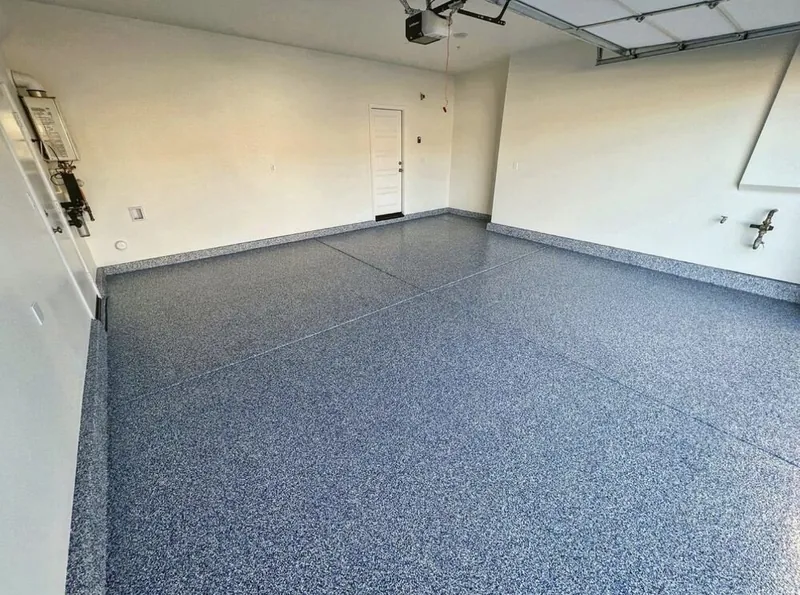
Interior Concrete Floors for Southern California Homes
Polished concrete, epoxy and decorative finishes for kitchens, living spaces, home offices, studios and accessory units.
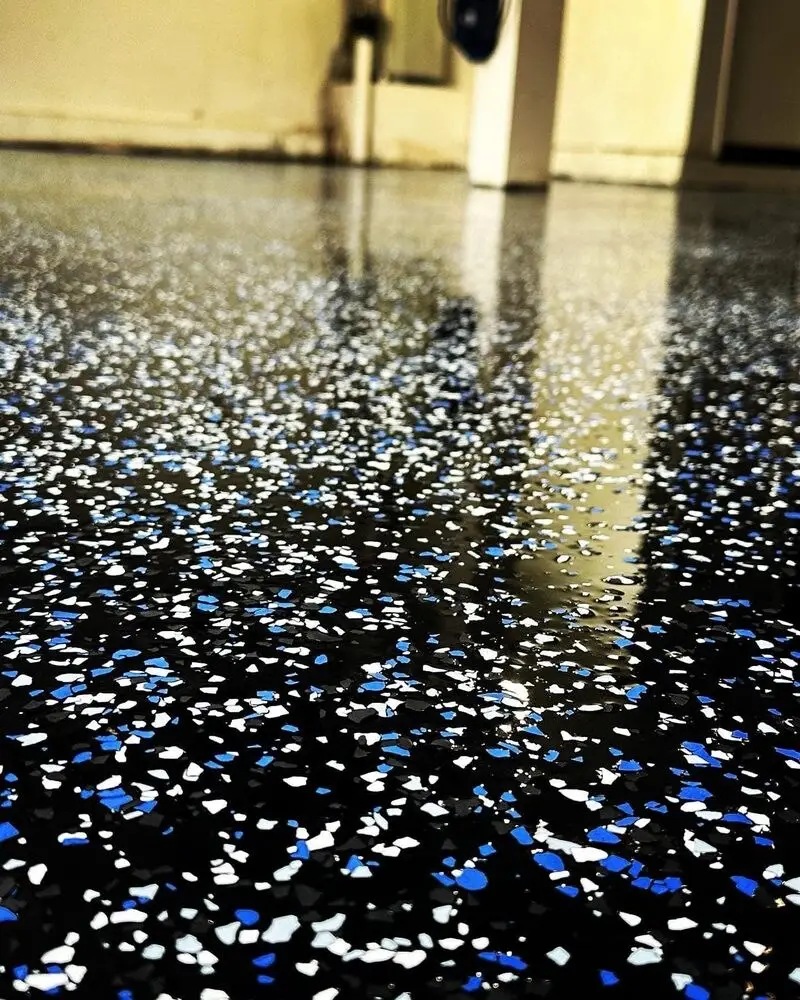
Quick answer
Turbo Surfacing finishes interior concrete floors in homes with polished concrete, epoxy and decorative coatings. The right choice depends on slab condition, moisture, light and how you live. We grind, repair, finish and explain care in writing. We are licensed, bonded and insured.
Key takeaways
- Slab condition and moisture decide which interior finish works.
- Polishing and coatings behave differently and suit different slabs.
- Radiant heat, cracks and old adhesive affect the plan.
- Occupied homes can be phased and sealed off to limit dust.
More homes are keeping their concrete floors instead of covering them. A slab that is ground and finished well can look clean and modern, resist spills and last through years of daily use. A slab that is finished poorly can look blotchy, feel cold and slippery or peel at the doorways.
This page covers the main interior options, what to check before choosing one and how the work fits into a lived in home.
Interior finish options compared
- Polished concrete. The slab is ground in steps with finer diamonds, treated with a densifier and sealed or burnished. The look ranges from satin to glossy, and the floor is part of the slab itself instead of a film on top.
- Epoxy. A seamless coating with solid color, flakes or quartz. It resists spills and is easy to clean, but it is a film that sits on the slab and can show wear in high traffic zones.
- Metallic and decorative epoxy. Pigments swirl through the coating to create depth and movement. It is a design statement and needs careful, skilled application.
- Stained and sealed concrete. Stain adds color to bare slab, and a sealer protects it. Results vary with the concrete underneath.
We bring samples to your home, because a finish looks different under your windows than it does in a showroom.
Reading the slab before choosing
Every slab is different. Some were troweled to a smooth, dense finish, and others are rough, patched or covered in adhesive from old flooring. Ghost lines, saw cuts, old anchor holes and uneven repairs all show through some finishes.
At a site walk, we look at flatness, cracks, patches, previous coatings, adhesive residue and signs of moisture. Polishing shows the character of the slab, including aggregate and small imperfections, while a thick coating can hide some of them. We tell you which finish suits the slab you have, not just the look in the photos.
Moisture and slab on grade homes
Most Southern California homes sit on slabs poured over soil, and moisture can move up through them. Coatings that seal the surface can trap vapor, while polished and breathable finishes handle it differently.
We check for damp patches, efflorescence and past water damage, and we run moisture checks before recommending a finish. If readings are high, we discuss a moisture mitigating primer, a breathable sealer or waiting for the slab to dry. We would rather change the plan than coat a floor that is going to blister.
Kitchens, baths and wet rooms
Kitchens and bathrooms ask the most from a floor. Spills, splashes, dropped pans and cleaning products all land on it. A sealed polished slab or a durable coating handles these well when it is applied correctly and kept clean.
Because wet rooms are slippery, we discuss texture and sheen before you choose. A satin finish with a light grit feels safer than a mirror shine. We also talk about the edges, where the floor meets cabinets, tubs and thresholds, because sealed joints keep water from creeping underneath.
ADUs, garages converted to living space and studios
Many homeowners now convert garages and add backyard units, and these slabs often have different histories from the main house. Garage slabs may have oil, sealers or coatings that interfere with a new finish, and they may slope toward the door.
We evaluate these slabs carefully, test for moisture and discuss how to bring them to a livable standard. A finished concrete floor can serve as the final floor in a studio, office or accessory unit, with rugs adding warmth and sound control.
Radiant heat, cracks and joints
If your home has radiant heating in the slab, tell us before anything else. Heat changes how coatings cure and how the slab moves, and we need to know where tubing runs before we grind. Radiant systems often work well under polished or thin coatings that transfer heat.
Cracks and saw cut joints are part of concrete. We repair cracks that move or leave gaps, and we discuss whether joints will remain visible in the finish. A polished floor tends to show them as part of the design, while a coating can bridge some of them but may crack again if the slab keeps moving.
Gloss, slip resistance and light
A glossy floor reflects windows and lamps and can feel slick when wet. A satin finish hides marks and feels calmer in bright rooms. We select sheen and texture with kitchens, entries and bathrooms in mind, and we can use a slip resistant additive where the floor gets wet.
Light matters too. Windows and skylights highlight the swirl of a metallic finish or the shimmer of a polished slab. We use samples in the rooms they will live in to avoid surprises.
Sound, echo and comfort underfoot
Hard floors reflect sound, and a concrete floor with high ceilings can feel echoey. Rugs, upholstered furniture, curtains and wall art soften a room quickly, and acoustic panels help in larger open spaces.
Comfort underfoot is a separate question. Concrete stays cool and firm, which many people love in summer and notice in winter. Radiant heat, thick rugs and anti fatigue mats in the kitchen all change how the floor feels. We talk about these trade offs up front so the finished room feels right.
Living in the house during the work
Interior concrete work is noisy and dusty if not managed well. We use grinders with vacuum systems, seal off doorways with plastic and clean as we go. Coatings give off odors while curing, so we ventilate and plan for pets, children and anyone sensitive to smells.
We tell you which rooms will be off limits and for how long. For occupied homes, we often phase the work room by room so you can keep the kitchen or a bedroom usable.
Furniture, rugs and everyday wear
Floors last longer when furniture is protected. Felt pads under chairs keep scratches off polished and coated floors. Rubber backed mats can discolor some finishes, so use breathable rugs instead. Place mats at entry doors to catch grit.
We provide care instructions that match your finish. Most daily care is a dust mop and a damp mop with a neutral cleaner, with periodic maintenance depending on traffic and finish.
Color, pattern and design choices
Concrete does not have to look plain. Dyes and stains add warm earth tones, soft grays or bold color. Epoxy can include flakes, quartz or metallic pigments. Saw cut patterns, borders and scoring lines can divide large floors into zones.
We help you narrow choices by showing samples and mockups and by asking how the room is used and lit. Simple, calm finishes tend to age well, while bold designs make a statement and need confident planning. Either way, we write the choices into the scope.
Timeline and what happens on each visit
A typical interior project starts with protection and grinding, then repairs, then the finishing steps for the chosen system. Polishing moves through several grit levels, and coatings need cure time between coats.
We give you a written schedule, tell you when rooms can be used again and walk the finished floor with you before we leave. If anything needs adjusting, we address it right away.
Getting an estimate
Our epoxy floor cost guide explains what moves the price. Send photos and rough dimensions through the free estimate form and we respond within 24 hours. Site walks are available the next day or later, depending on availability, and you receive a written scope after the visit.
What to know before you start
Inspect an interior-floor sample beside the actual baseboard and doorway trim. Review the edge appearance at that junction before selecting a finish from the middle of a sample panel.
Frequently Asked Questions
Sources
Last reviewed:
By Turbo Surfacing Solutions team · Planning updated:
KEEP EXPLORING.
Other Southern California surfacing projects we specialize in — handpicked because they share the same materials, standards, or installation crew as this page.
Related Epoxy & Concrete Polishing & Resources
Sibling services, cities where we install this, and blog posts that go deeper.
Get a Quote for Interior Floor Coatings
Get a free, no-obligation estimate for your project. Our team responds within 24 hours.
Get Interior Quote