- Licensed CA Contractor·
- ADA Compliant Installs·
- Serving All of Southern California·
- Free Estimates·
- Licensed, Bonded & Insured
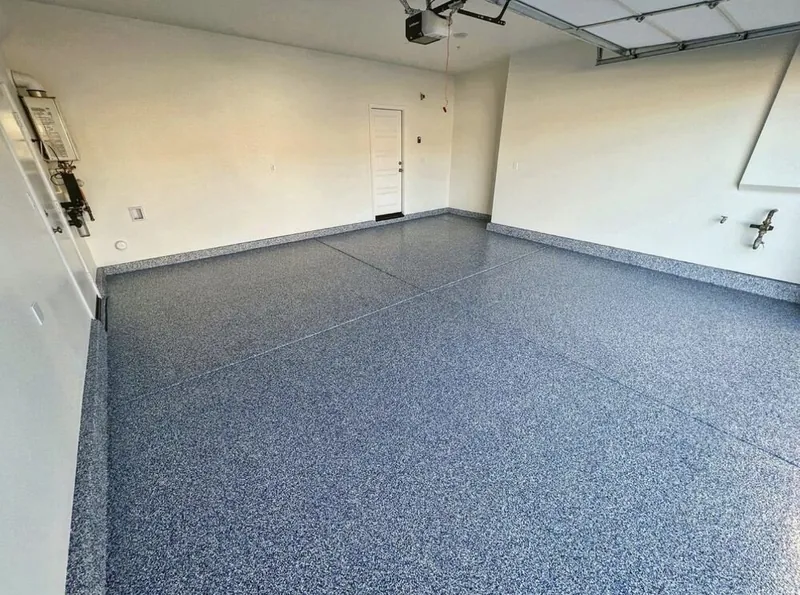
Epoxy Garage Floor Coatings for Southern California Homes
Grinding, repair and coating systems for home garages, from a single bay to a three car workshop.
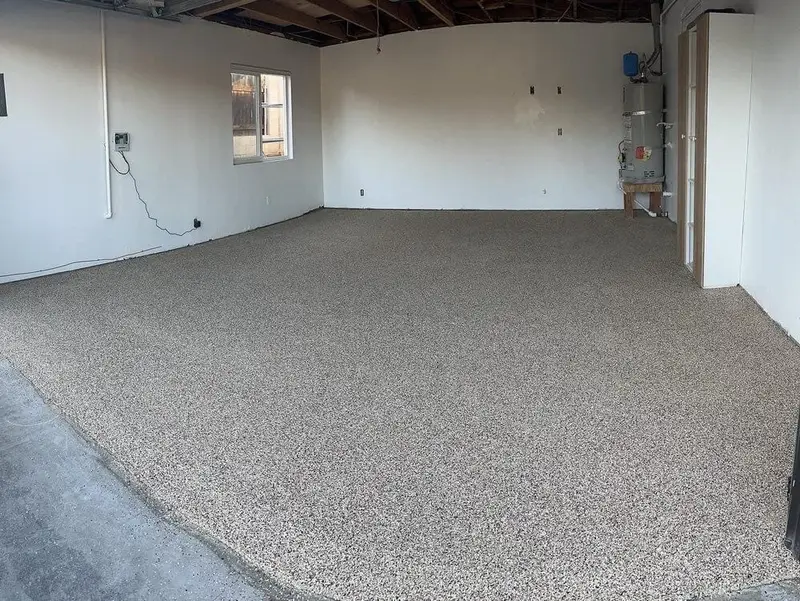
Quick answer
Turbo Surfacing installs epoxy and polyaspartic garage floor systems on residential slabs across Southern California. Results depend mostly on surface preparation, moisture and the system chosen. We grind the slab, repair cracks, apply the coating and explain care in writing. We are licensed, bonded and insured.
Key takeaways
- Preparation, especially diamond grinding, decides how long a garage coating lasts.
- Moisture in the slab can cause blistering, so it is checked before coating.
- Flake systems with a UV stable topcoat resist hot tires and hide marks.
- Texture adds traction without making the floor hard to clean.
A garage floor takes more abuse than most rooms in a house. Tires carry heat and chemicals onto it, cars drip oil and coolant, and the slab underneath was probably never sealed. Paint and cheap kits tend to peel within a season because they sit on top of dust and laitance instead of bonding to clean concrete.
This page explains what a professional garage floor system involves, how to judge your slab before you spend anything and how to choose between finishes.
Why preparation decides the result
Most coating failures start before any coating goes down. Concrete has a weak, dusty surface layer, and sealers, curing compounds, oil and old paint can sit in the pores. A coating bonds to the slab, not to that layer.
We use diamond grinding to open the surface, remove contaminants and create a profile the coating can grip. Acid etching, the method sold in many kits, is uneven and leaves residue, so we do not rely on it. After grinding, we vacuum thoroughly, check for oil that has migrated up and treat stained areas before the first coat.
Skipping this step is the difference between a floor that lasts and one that lifts under the first hot tire.
Checking moisture before you coat
Concrete can pass water vapor up through the slab, especially in garages with no vapor barrier beneath them. A coating trapped over that moisture can blister or delaminate months later.
Before recommending a system, we look at the slab for signs of moisture such as efflorescence, dark patches and staining, and we run simple moisture checks. If readings are high, we discuss a moisture mitigating primer or whether the slab should dry first. This is a judgment about your specific slab, which is why we walk the garage instead of quoting from photos alone.
Cracks, pits and control joints
Garage slabs crack. Hairline cracks are normal shrinkage, while wider cracks may move. We fill and repair cracks with flexible or rigid repair materials depending on whether the crack is stable, and we patch spalls, pits and old anchor holes so the finished floor is flat.
Control joints are cut into slabs on purpose to let them crack in a straight line. We usually leave joints open and fill them with a flexible joint filler, because coating rigidly across a joint can cause the coating to crack along the line. We explain how we will treat each joint in the scope so there are no surprises.
Dealing with oil, rust and old stains
Oil is the enemy of coatings. Garage slabs soak up drips for years, and that oil can rise to the surface and push a new coating off. We scrub and degrease stained areas, grind into the slab and, where staining is deep, test whether a primer will hold before committing to the full coating.
Rust stains from tools, cans and old shelving are usually cosmetic and are removed during grinding. Tell us about heavy spills, past leaks or a car that drips. Seeing the worst spot in person helps us plan extra preparation instead of discovering a problem midway through the job.
Doors, thresholds and drainage
The details at the edge of the floor matter as much as the middle. At the garage door, we ease the coating into the threshold so water does not pool, and we avoid building up a lip that catches the door seal. Along the walls, we can run a short cove or border so splashes do not reach the drywall.
If your garage has a floor drain or a slope toward the door, we coat with the drainage in mind and tell you where water will flow after a wash. Tell us about any slab steps, interior doors or built in features so the scope covers them.
Choosing a system and finish
Garage floors are commonly coated with one of three systems:
- Epoxy with decorative flakes. A thick, durable floor that hides dust and small marks. Flakes also add texture and traction.
- Solid color epoxy. A clean, uniform look that is easy to wipe down, but it shows dust and tire marks more readily.
- Epoxy base with a polyaspartic or urethane topcoat. A tougher, more UV stable top layer that resists yellowing and hot tire pickup.
For garages with sun exposure or frequent hot tires, a UV stable topcoat is usually worth discussing. We bring samples to the site walk so you can see colors and flake blends in your own light.
Traction, safety and cleanup
A shiny floor can be slippery when wet. We add a fine grit or choose a textured flake finish so the garage is safe for people, strollers and wet shoes. If you want more grip near the door or a workbench, we can vary the texture by zone.
Day to day care is simple. Sweep or dust mop, wipe spills when they happen and wash with a mild cleaner and a soft mop. Avoid harsh solvents, and use mats under jack stands or heavy tool chests that could scratch the surface.
Matching the floor to how you use the garage
A garage that only parks cars has different needs from one that doubles as a workshop, gym or storage room. Parking mostly calls for hot tire resistance and easy cleanup. A workshop adds chemical exposure, dropped tools and rolling toolboxes. A gym adds impact from weights and a desire for a cleaner look.
Tell us how the space is used now and how you might use it in a few years. We can vary the system, for example adding a tougher topcoat in a workshop zone, while keeping a consistent look across the whole floor. Ask about walls and baseboards too, since a coated cove or border keeps water and dirt from creeping behind cabinets.
Epoxy kits, paint and professional systems compared
Hardware store kits and floor paints cost less up front, and they have a place on lightly used floors. The trade off is thickness, bonding and durability. A thin coat over unground concrete peels more easily, wears through in the tire paths and offers little protection from chemicals.
A professional system starts with machine grinding, repairs the slab and builds a thicker, harder film. The result tends to last longer in daily use, and it is easier to repair if it is damaged. The right choice depends on your budget, how long you plan to stay in the home and how the garage is used. We are glad to explain the difference without pushing a more expensive option than you need.
What the installation looks like
A typical single garage is a multi day project, with grinding and repair first, then primer, base coat, flakes and topcoat. Cure time between coats depends on the product and the temperature, so we agree on a schedule in writing.
Plan to move vehicles and stored items out of the garage. We protect walls and the garage door track, control dust with vacuum equipment and keep you informed. Light foot traffic is usually possible sooner than vehicle traffic, and we tell you exactly when each is safe.
Getting an estimate
Our epoxy floor cost guide explains what moves the price. Send photos and rough dimensions through the free estimate form and we respond within 24 hours. Site walks are available the next day or later, depending on availability, and you receive a written scope after the visit.
What to know before you start
Mark cabinet footprints and appliance positions before garage preparation. Agree whether the floor beneath them is included so later cabinet removal does not reveal an unexpected untreated strip.
Frequently Asked Questions
Sources
Last reviewed:
By Turbo Surfacing Solutions team · Planning updated:
KEEP EXPLORING.
Other Southern California surfacing projects we specialize in — handpicked because they share the same materials, standards, or installation crew as this page.
Related Epoxy & Concrete Polishing & Resources
Sibling services, cities where we install this, and blog posts that go deeper.
Get a Quote for Garage Floor Epoxy San Diego — Commercial & Residential
Get a free, no-obligation estimate for your project. Our team responds within 24 hours.
Get Garage Quote