- Licensed CA Contractor·
- ADA Compliant Installs·
- Serving All of Southern California·
- Free Estimates·
- Licensed, Bonded & Insured
Retail Store Flooring That Looks Good and Handles Heavy Traffic
Polished concrete, decorative coatings and traction finishes scheduled around store hours and seasonal peaks.
Quick answer
Turbo Surfacing finishes retail floors with polished concrete, epoxy and decorative coatings for sales floors, stockrooms, entries and back of house areas. We plan night and closed day work around seasonal peaks, control dust and odor and match the finish to your brand. We are licensed, bonded and insured.
Key takeaways
- Sales floors, entries and stockrooms need different finishes.
- Night and phased work reduces lost trading days.
- Satin sheen often works better than a mirror shine.
- Landlord rules and peak seasons shape the schedule.
A retail floor has two jobs. It has to look good under bright lights and next to products, and it has to stand up to carts, pallet jacks and thousands of shoes. It also has to be finished without closing the store during its busiest weeks.
This page explains how retail floors differ by area, what finishes work and how to schedule around trade.
The sales floor
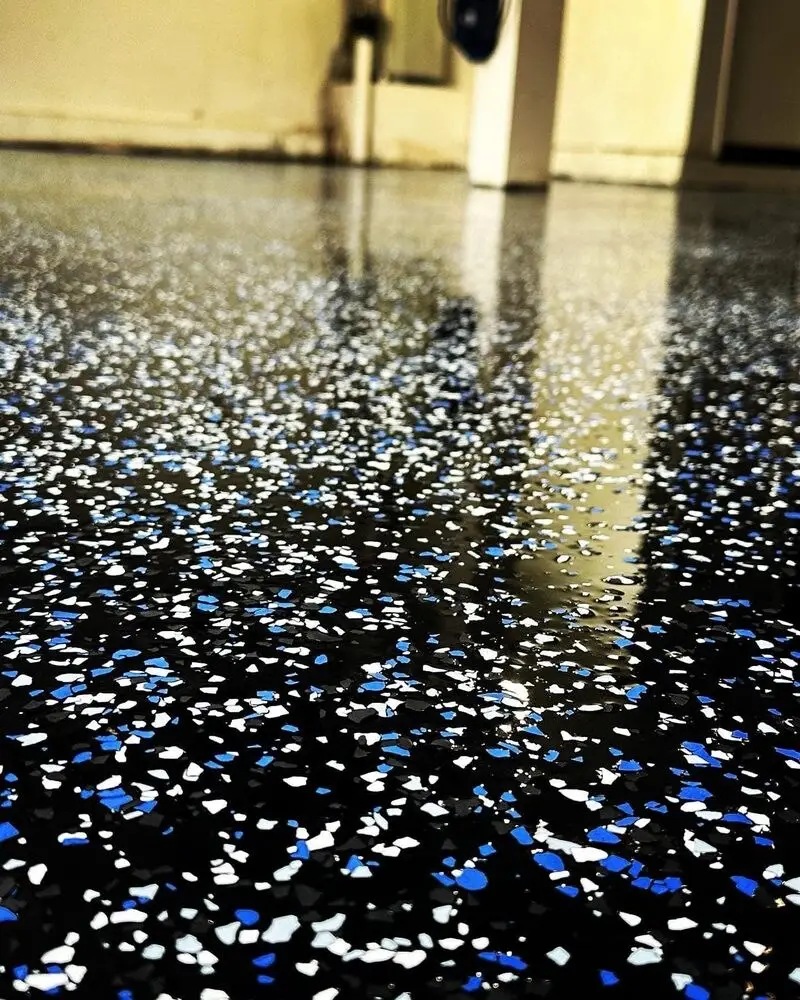
The sales floor is the stage. Polished concrete gives a clean, modern look that works with many store designs. Decorative overlays can create custom patterns or match brand colors. Metallic epoxy suits feature areas and entries.
Gloss and glare matter. A mirror shine can reflect lights and distract from products, so we often recommend a satin or low gloss finish. We test samples under your lighting before you commit.
Entries, vestibules and wet weather
Entries get wet shoes, grit and sun. Traction and visible, replaceable mats are essential. A durable, slip resistant finish at the door keeps the sales floor safe and protects it from wear.
We detail transitions between entry materials and the sales floor so thresholds are flat and clear for carts and strollers.
Stockrooms, receiving and warehouse areas
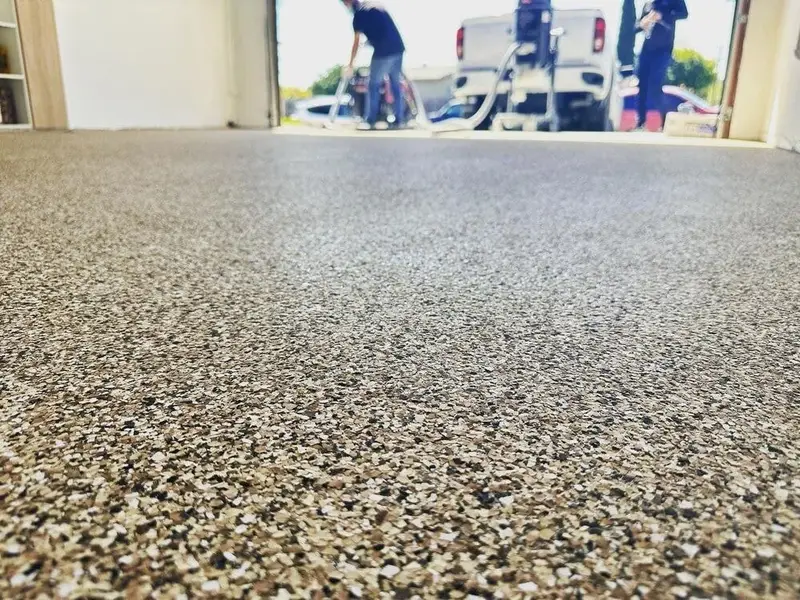
Back of house floors face forklifts, pallet jacks and heavy loads. Hardened concrete, epoxy or urethane systems resist abrasion and keep dust down. Cracks and joints are repaired so wheels do not catch.
Safety striping marks aisles, walkways and hazards. We plan layouts with your operations team.
Night and closed day installation
Retailers cannot afford long closures. We plan night work, closed days or phased sections of the store. Fast curing products and careful sequencing keep disruption low.
You receive a written schedule that shows which section is closed when, how fixtures and inventory move and when each area reopens.
Moving fixtures, inventory and security
Fixtures, shelving and merchandise need to move for floor work. We coordinate with your team about staging space, security and who handles which items. Heavy fixtures can sometimes remain, with the floor finished around them.
We protect fixtures and finished areas from dust and overspray and keep the work area clean.
Brand identity and layout
Floors can define paths, highlight departments and reflect brand colors. Borders, inlays, logos and scoring patterns guide shoppers and tie spaces together.
We prepare mockups and samples for designers and store planners. Consistency across stores matters for chains, so we document products and methods for repeatable results.
Carts, pallet jacks and rolling loads
Rolling loads concentrate weight on small wheels. A hard, flat, well adhered surface resists wear and rolling noise. Joints and cracks need repair so wheels do not catch or chatter.
In grocery and big box stores, aisles take the heaviest traffic. We recommend topcoats and maintenance routines to keep wear lanes under control.
Cleanability, spills and hygiene
Retail floors get spills, tracked dirt and sticky residue. Sealed surfaces clean faster than porous ones. In food retail, coved bases and sealed joints support hygiene.
We choose finishes that suit your cleaning equipment, such as auto scrubbers, and advise on pads and cleaners that preserve sheen.
Leases, landlords and mall rules
Mall and shopping center tenants often have landlord rules about work hours, access and contractors. We follow building rules, provide insurance documents on request and coordinate deliveries.
If you are planning a lease, ask us to look at the slab first. Knowing the condition helps you negotiate repairs and budget the finish.
Planning around seasonal peaks
Holiday and sale periods are no time for floor work. We help you plan projects for slower months, allow time for approvals and materials and give firm dates.
If emergency repairs are needed during a busy period, we discuss small, targeted fixes that keep trading going.
Moisture, old adhesives and slab prep
Many retail spaces had previous flooring: carpet, vinyl tile or sheet goods. Adhesives, patches and moisture can affect bonding. We remove old flooring, grind residue and test moisture before coating.
Where slabs are in poor condition, we explain realistic options and phase repairs if needed.
Care and maintenance
A good retail floor program includes daily dust mopping, regular scrubbing with suitable pads and periodic burnishing or topcoat refresh. Walk off mats at entries reduce grit.
We provide written care guidance for store teams and are available for touch ups.
Pop up shops, tenant turnover and quick refreshes
Retail space turns over quickly. A new tenant may have a few weeks between lease signing and opening, and the floor is often the item that determines whether the date holds. We can inspect a slab quickly, propose a fast scope and sequence work around other trades.
Pop up shops and seasonal tenants often prefer simple, durable finishes that can be refreshed. We recommend systems that are easy to patch and re-seal for the next tenant.
Grocery, convenience and food retail
Food retail adds moisture, spills and refrigeration. Floors near coolers see condensation, and produce areas stay wet. Deli and bakery counters need sanitary, slip resistant surfaces. Back of house kitchens may need heavy duty systems like those used in restaurants.
We coordinate with refrigeration and equipment vendors, seal joints and drains and choose textures that are safe for staff and shoppers. Cleaning routines matter, so we advise on pads, chemicals and scrubbers that protect the finish.
Lighting, color and merchandising
Retail lighting is designed to make products look good, and the floor reflects that light back into the room. A dark, glossy floor can double the glare, while a light satin floor spreads light evenly and can lower the energy needed to brighten the store.
Color also affects how products look. Neutral grays and warm tones support many brands, while bold floors can compete with merchandise. We prepare mockups so merchandisers and designers can see how the floor works with fixtures.
Repairing damage between full refreshes
Even a good floor gets chipped by a dropped fixture or a stuck pallet jack. Small repairs keep a store looking cared for and prevent damage from spreading. We can patch spalls, fill cracks and re-coat damaged sections so they blend with the surrounding floor.
We recommend a maintenance schedule with periodic inspection and touch ups. Catching problems early costs less and avoids a larger shutdown later.
Flagship stores, showrooms and high end boutiques
Premium retail uses floors as part of the brand. Deep polished concrete, terrazzo like overlays and metallic finishes can create a gallery feel. These systems demand tight control of preparation, color and lighting.
We build samples, test them under store lighting and agree on finish quality before the full floor. For flagships, we also plan protection of the finished surface during fit out so other trades do not damage it.
Getting an estimate
Our epoxy floor cost guide explains what moves the price. Send photos and rough dimensions through the free estimate form and we respond within 24 hours. Site walks are available the next day or later, depending on availability, and you receive a written scope after the visit.
What to know before you start
Show where display fixtures may move during seasonal resets. Keep their contact and lifting requirements with the floor care record rather than assuming the initial store layout is permanent.
Frequently Asked Questions
Sources
Last reviewed:
By Turbo Surfacing Solutions team · Planning updated:
KEEP EXPLORING.
Other Southern California surfacing projects we specialize in — handpicked because they share the same materials, standards, or installation crew as this page.
Related Epoxy & Concrete Polishing & Resources
Sibling services, cities where we install this, and blog posts that go deeper.
Get a Quote for Retail Store Flooring
Get a free, no-obligation estimate for your project. Our team responds within 24 hours.
Get Retail Quote